Walker Evans
Walker Evans (1903-1975) stands as one of the pivotal figures in 20th-century American photography, establishing a standard for documentary realism that remains profoundly influential. Best known for his powerful yet coolly observed documentation of the effects of the Great Depression, his work transcended mere record-keeping to become a defining visual account of the era.
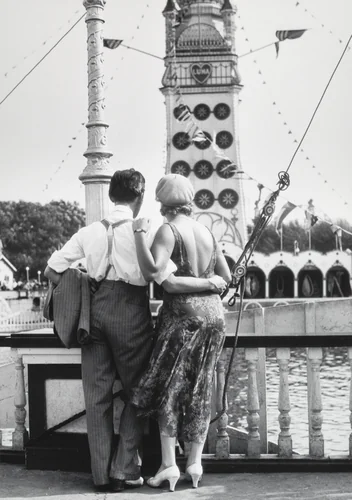
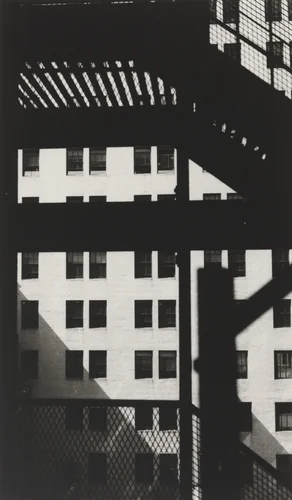
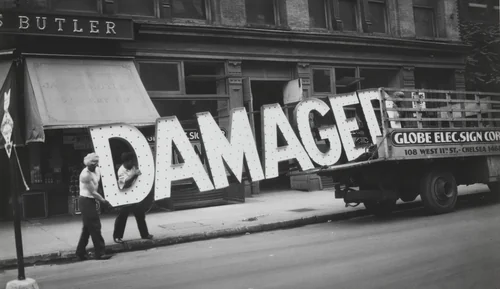
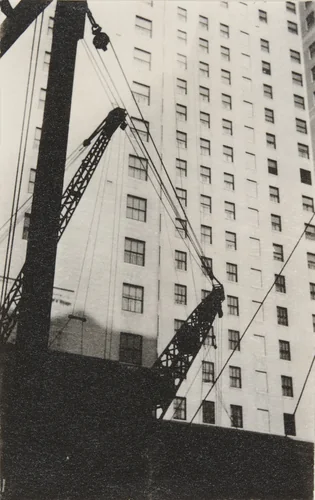
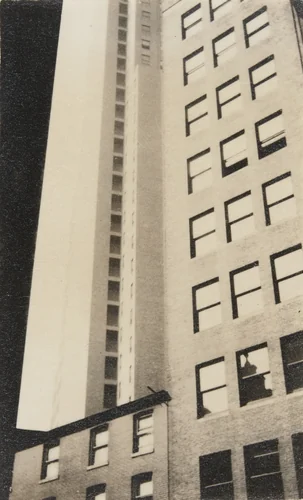
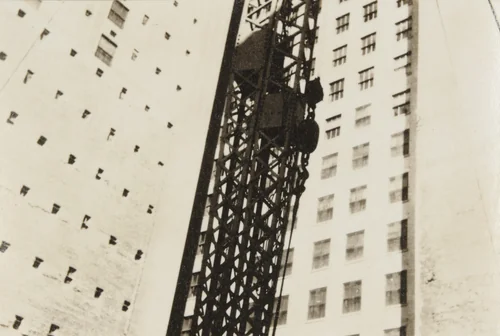
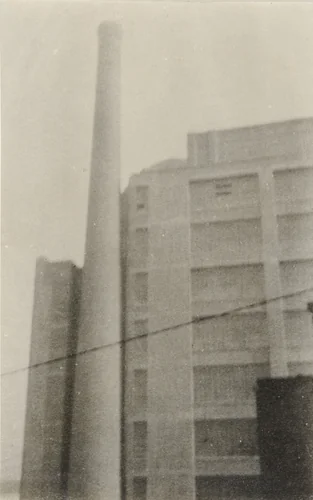
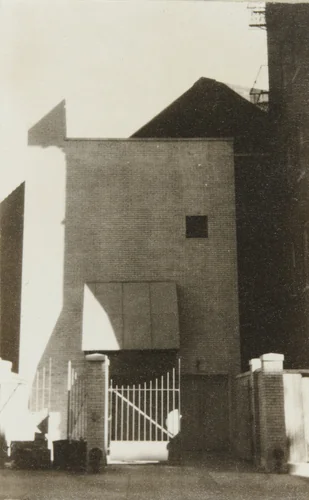
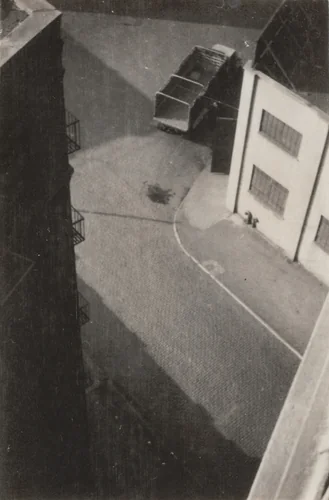
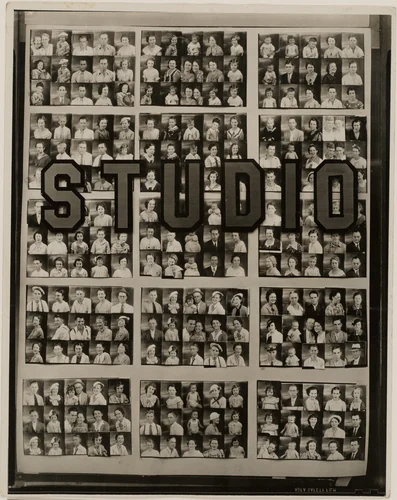
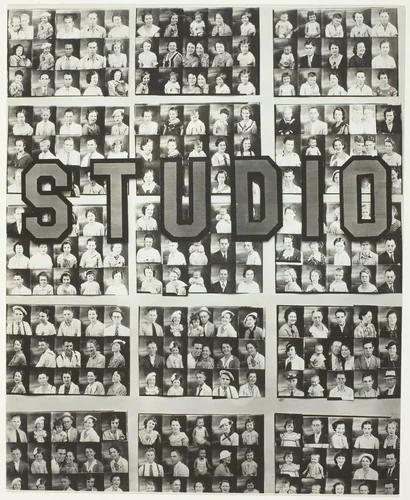
Evans began publishing photographs professionally around age 27, establishing an early foundation in urban studies that prefigured his mature style. Early works like Couple at Coney Island, New York and the iconic Third Avenue "L", New York capture the quotidian poetry of infrastructure and anonymous interaction, demonstrating his precise eye for architectural and social typology. He treated the common artifact, whether a commercial sign in Truck and Sign or the interior of a tenant cabin, with the same objective intensity typically reserved for formal portraiture.
Between 1935 and 1937, Evans served first the Resettlement Administration and subsequently the Farm Security Administration (FSA), developing a unique style of photojournalism that prioritized clarity and rigorous formality over sentimentality. His New Deal documentation frequently utilized the large format 8 × 10-inch view camera, a painstaking tool that necessitated deliberate composition and yielded negatives of incredible detail. He famously stated that his goal as a photographer was to create images that were "literate, authoritative, transcendent."
Evans’s output during the critical active period of 1928 to 1936 fundamentally shaped modern photographic practice, moving documentary work toward an aestheticized objectivity. His extensive catalog is housed in major institutions globally, including the Museum of Modern Art, the Metropolitan Museum of Art, and the Art Institute of Chicago, a reflection of its sustained museum-quality status. Due to the nature of his governmental contracts, much of his essential documentation work is now accessible through the public domain, allowing enthusiasts and scholars alike to access high-quality prints and continue the study of Evans’s unflinching American vision.
Source: Wikipedia · CC BY-SA 4.0