W. Barthautz
W. Barthautz was an artist whose documented activity spans nearly the entire eighteenth century, from 1700 to 1796. Barthautz specialized in drawing, with eight works known to be represented in major museum collections. The entire documented collection of the artist’s work is held by the Rijksmuseum.
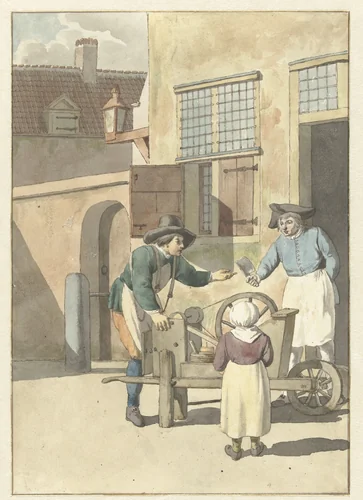
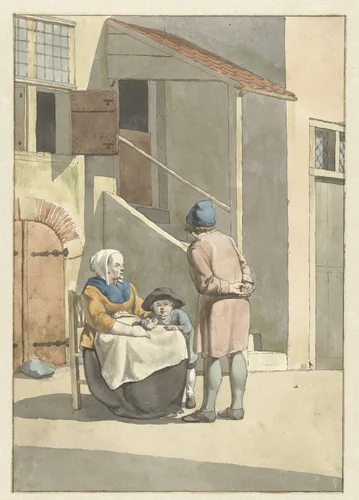
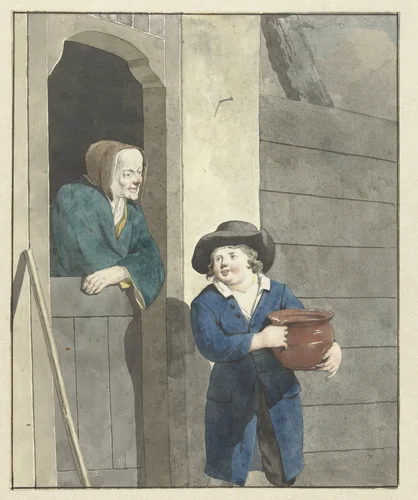
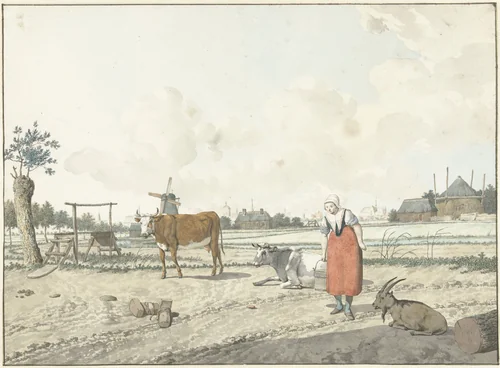
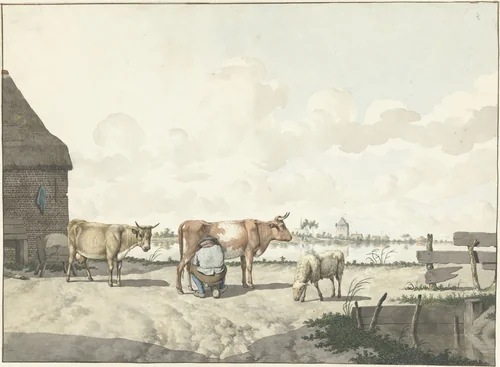
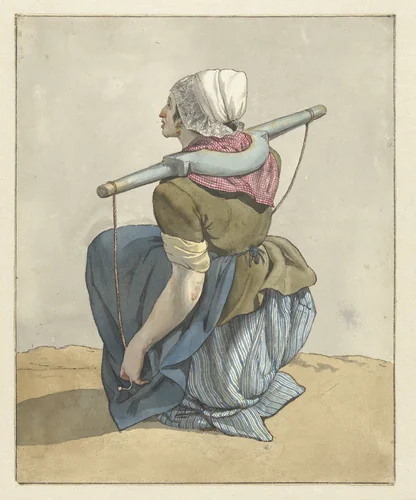
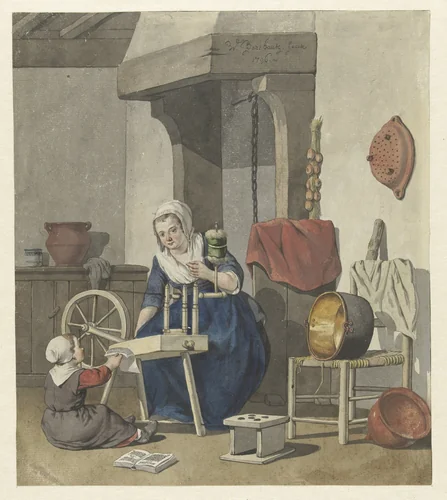
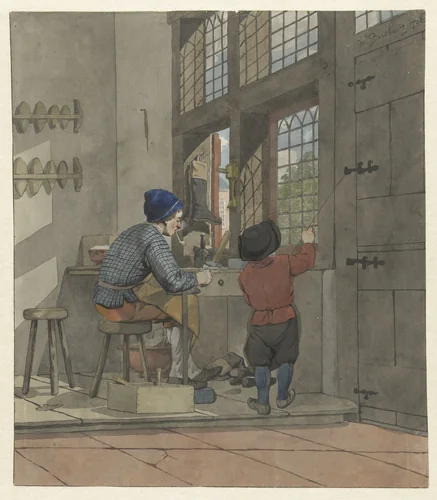
The existing body of work demonstrates a focus on genre scenes and pastoral subjects, often capturing daily life and labor. Notable drawings include intimate domestic vignettes such as Jongen en vrouw met kind voor een huis and Jongen met een pot bij een vrouw leunend op een onderdeur. The artist also produced observational studies of typical street occupations, evidenced by the drawing De scharensliep, alongside rural scenes like Melkende boer and Landschap met boerin en vee, which integrate figures within a natural setting.
The collection of eight drawings held by the Rijksmuseum provides essential insight into the artist's technique during the late eighteenth century. These drawings serve as museum-quality examples of period draughtsmanship. Today, digital reproductions of W. Barthautz prints are frequently accessible, allowing researchers and collectors access to this historical material as high-quality prints.