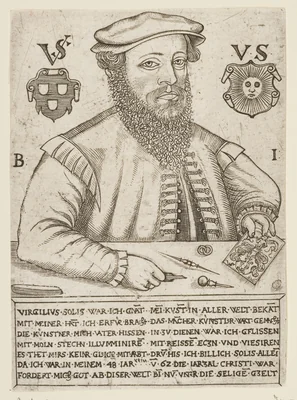
Virgil Solis
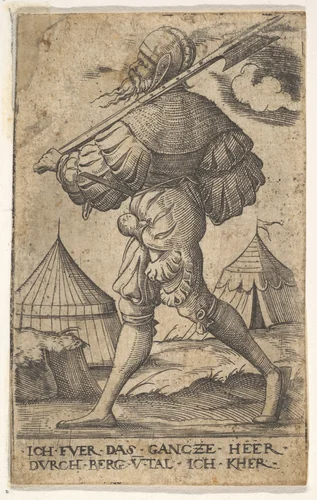
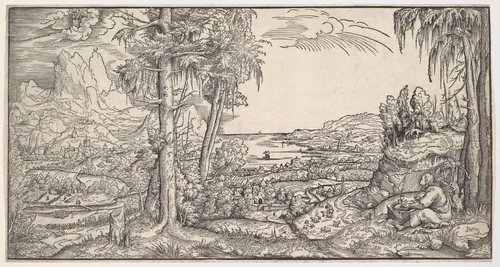
Virgil Solis (Virgilius Solis) was a defining German draughtsman and printmaker whose prolific career centered in his native Nuremberg during the 16th century. Operating within one of Europe’s most competitive and technologically advanced artistic hubs, Solis mastered engraving, etching, and woodcut, mediums that allowed his designs rapid and widespread dissemination. His activity, documented as early as 1514, established him as a key contributor to the distribution of Renaissance and Mannerist visual language throughout Northern Europe.
Solis hailed from a family notable for its artistic output, a fact reflected in his own immense productivity. While only a selection of his drawings remains, confirming his technical prowess as a foundational draughtsman, his enduring legacy rests on his substantial corpus of prints. Solis navigated diverse thematic demands with apparent ease, producing works that ranged from profound intellectual allegory to immediate, vigorous genre scenes.
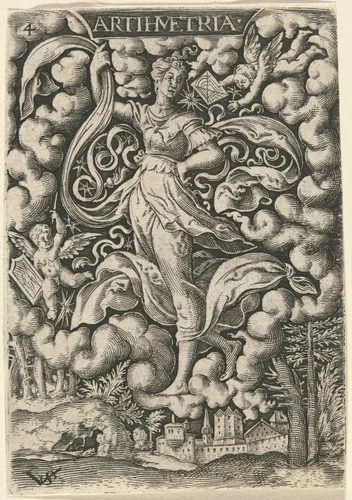
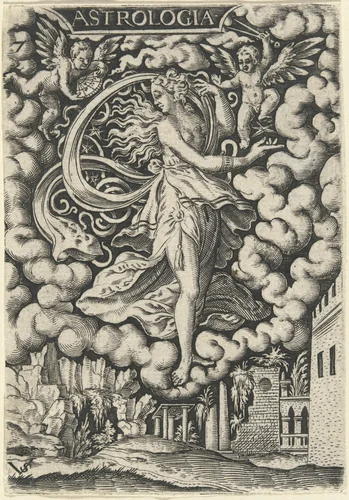
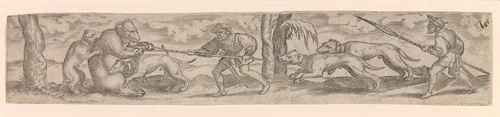
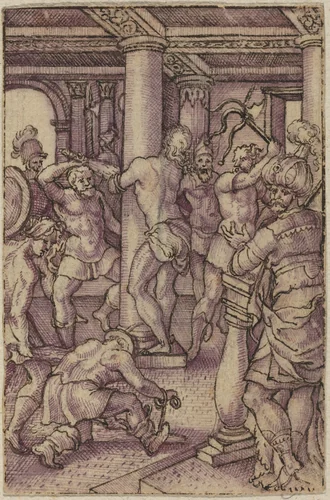
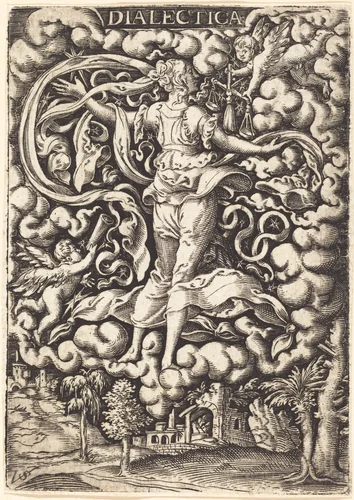
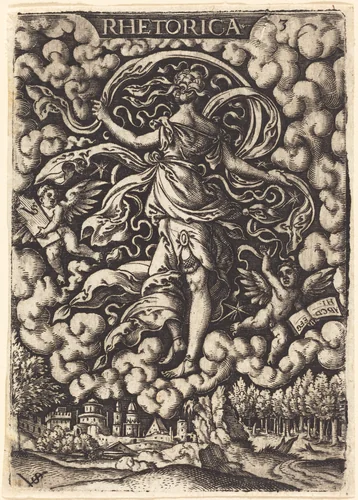
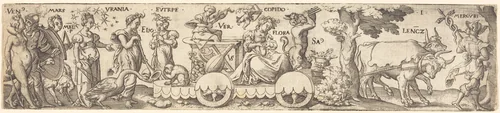
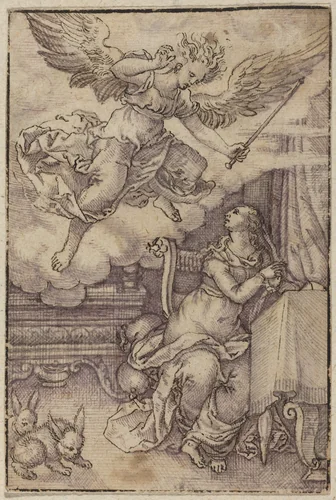
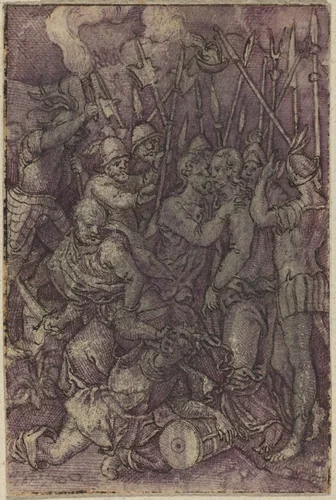
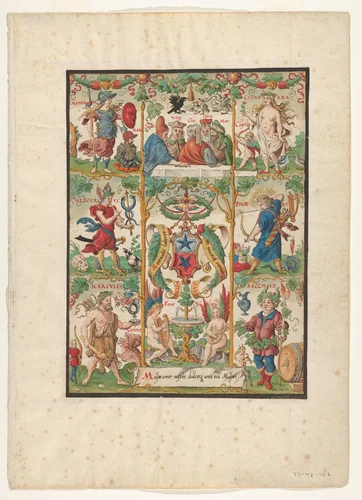
His thematic range spanned high humanistic scholarship, exemplified by series dedicated to classical knowledge, such as the personification of liberal arts in Dialectica (Dialectics) and Artihmetria (Arithmetic), alongside cosmological studies, including Astrologia. This intellectual rigor, necessary for a discerning Nuremberg audience, contrasts effectively with the kinetic energy of scenes like the dramatic Bear Hunt, or the contemplative intensity of religious subjects, such as Christ at the Column. It is perhaps a telling, if minor, observation that an artist capable of illustrating complex celestial mechanics was equally adept at sketching a thoroughly convincing moment of raw, terrestrial action.
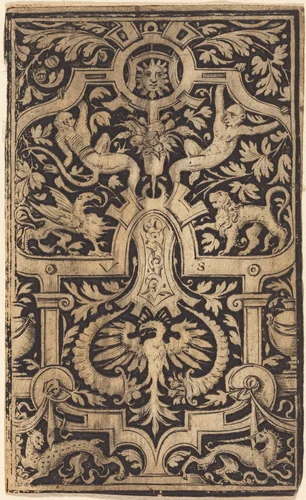
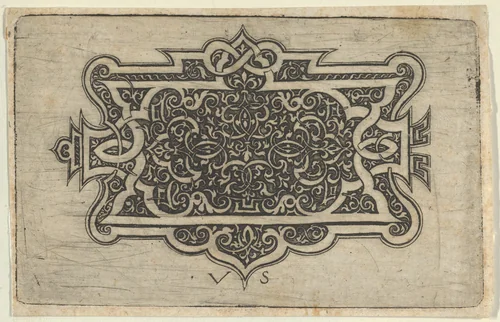
Solis’s importance extended beyond the fine art market. His designs served as crucial pattern books and source material for craftsmen across the continent, influencing the production of everything from jewelry and metalwork to decorative textiles. This comprehensive influence secured his position as one of the era’s most influential designers. Today, the enduring quality of his output is recognized by its inclusion in premier institutional collections, including the Metropolitan Museum of Art and the National Gallery of Art. Due to their age and widespread initial circulation, a significant portion of the Virgil Solis prints now resides in the public domain, ensuring that these museum-quality designs remain readily accessible as downloadable artwork globally.
Source: Wikipedia · CC BY-SA 4.0