Village Elisabeth
Village Elisabeth was a textile designer active in 1915, specializing in the highly technical creation of patterns and preparatory materials for needle lace (naaldkant). Their known body of work consists almost exclusively of these detailed design preparations rather than finished textile pieces.
Ten documented works by Village Elisabeth are represented in museum collections, all held by the Rijksmuseum in Amsterdam. These works provide a meticulous record of the process required for constructing complex, high-quality lace elements, focusing on the steps between initial concept and final execution.
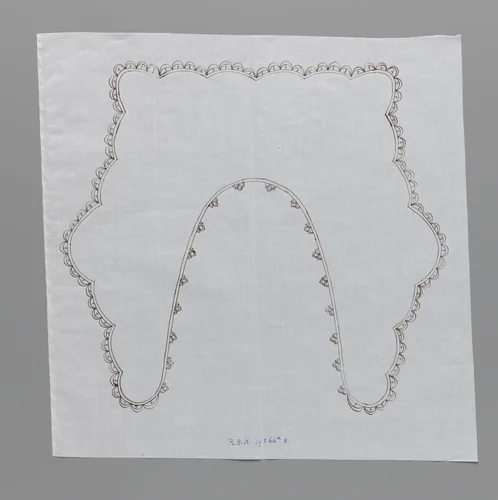
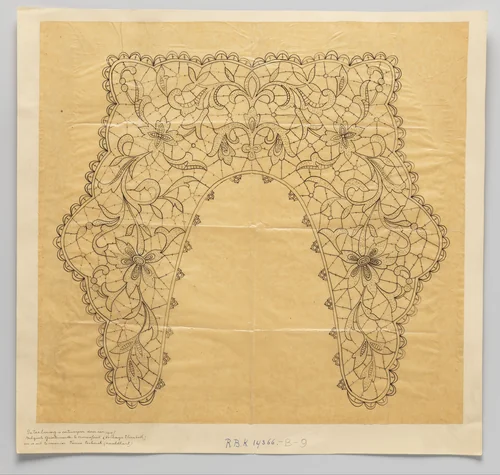
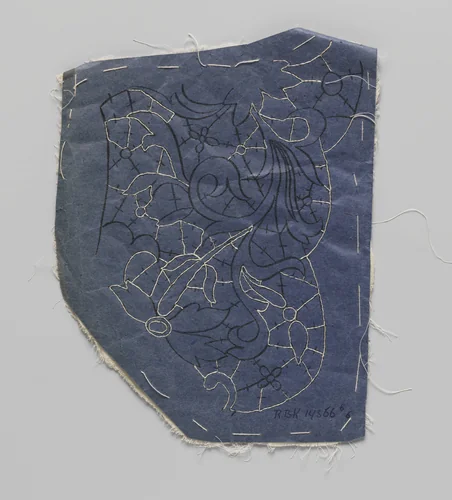
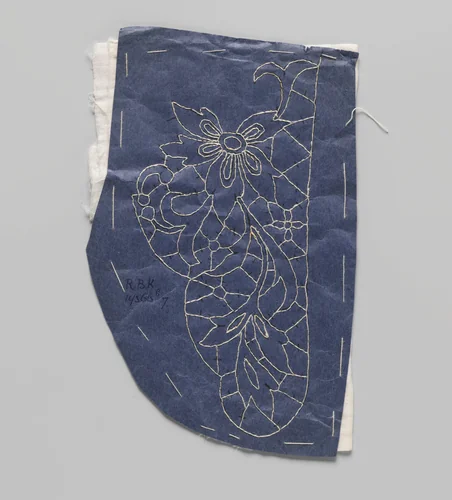
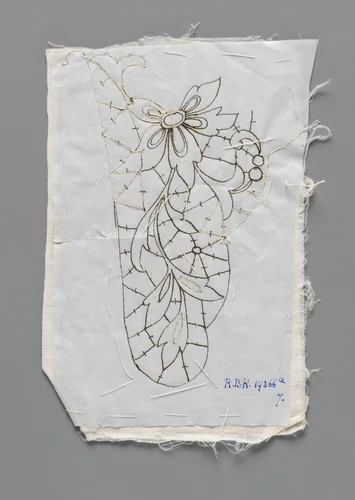
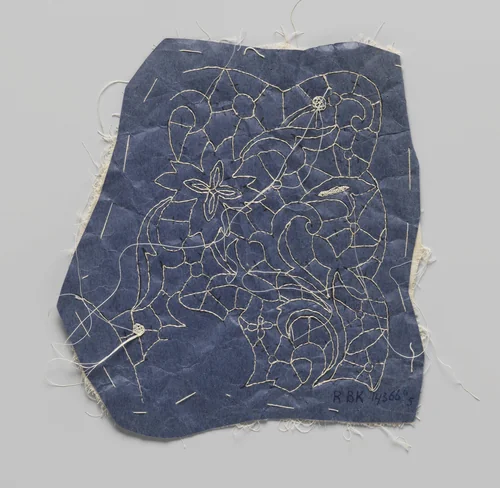
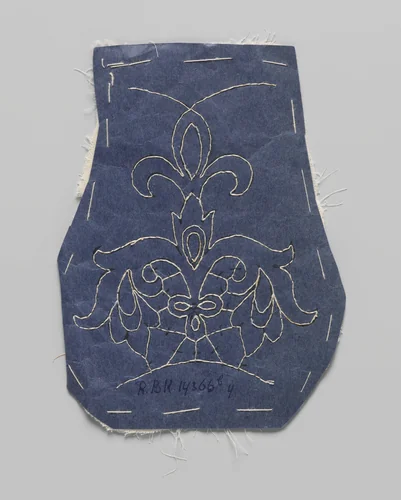
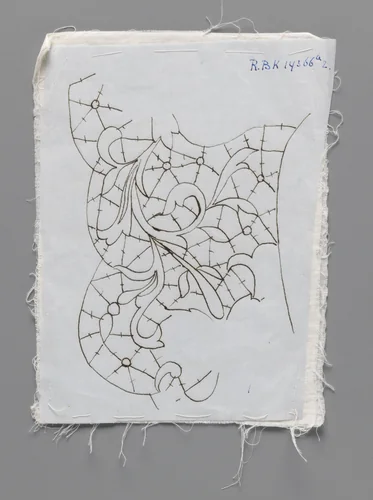
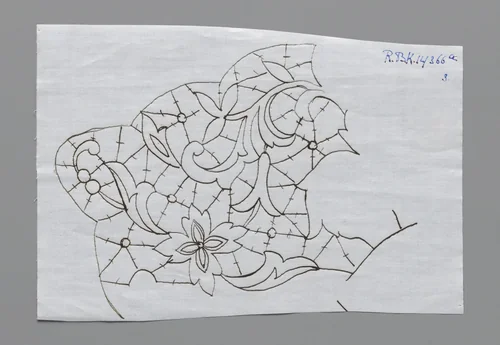
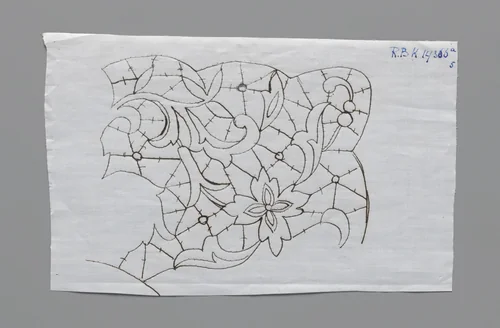
The collected artifacts include detailed patterns, such as Naaldkantpatroon voor de randen van een kraag, and highly specialized preparatory prickings. These prickings, exemplified by Prikking vastgeregen op een dubbele lap katoen en met traceerdraden voor het maken van een deel van een kraag van naaldkant, show patterns secured onto a cotton substrate with tracing threads, outlining the precise methodology necessary for complex collar design.
The preservation of these historical and technical drawings ensures documentation related to Village Elisabeth prints and patterns remain valuable references for textile history. The materials, which illustrate early 20th-century European lace design techniques, are increasingly available to researchers, often distributed as high-quality prints for scholarly study as they enter the public domain.