Vera Ermolaeva
Vera Ermolaeva (1893-1937) was a pivotal Russian painter, graphic artist, and illustrator whose brief but intense career helped define the visual language of the Russian avant-garde following the 1917 Revolution. Active primarily between 1918 and 1928, Ermolaeva’s practice moved fluidly between fine art painting and highly experimental applied design, placing her squarely within the radical shifts occurring in arts education and mass production during this fertile decade.
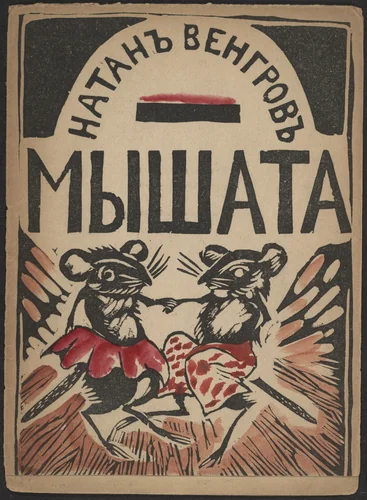
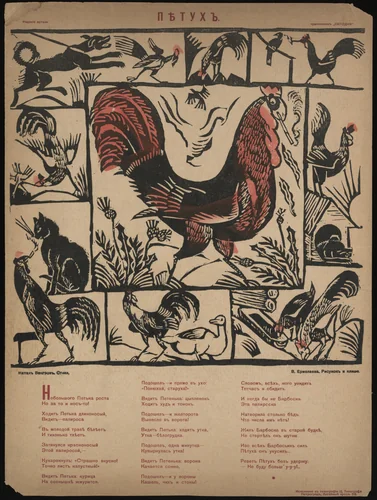
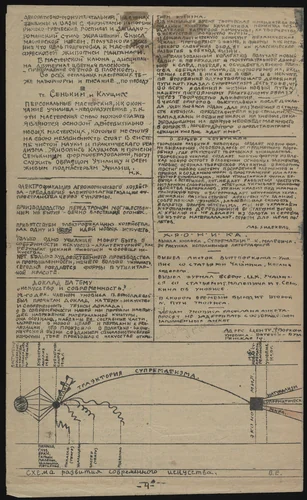
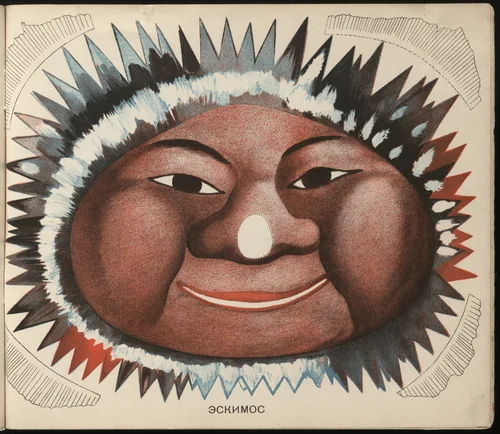
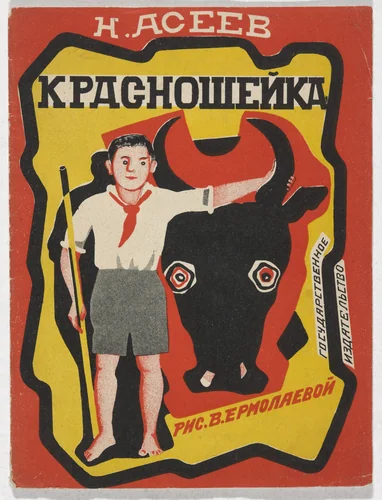
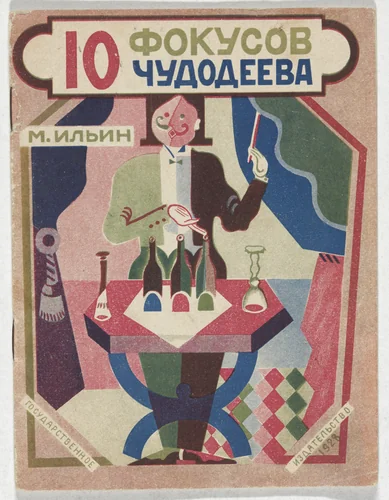
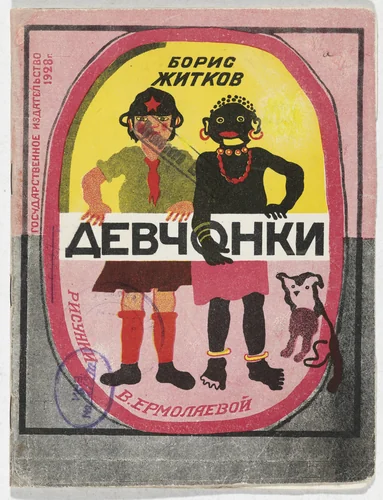
While initially associated with suprematist principles, Ermolaeva’s most widely recognized impact stems from her profound engagement with children’s book illustration. She contributed to at least nine illustrated books, transforming standard narrative formats into dynamic, geometrically charged experiences. Works like Myshata (Baby Mice) and Petukh (The Rooster) showcase her bold use of abstracted forms and vibrant color fields, reflecting the era’s enthusiasm for didactic design and accessible modernism. These compositions stand as significant museum-quality examples of applied Constructivism. The clarity and formal rigor of these designs ensured their immediate contemporary influence, establishing a visual standard for early Soviet publishing.
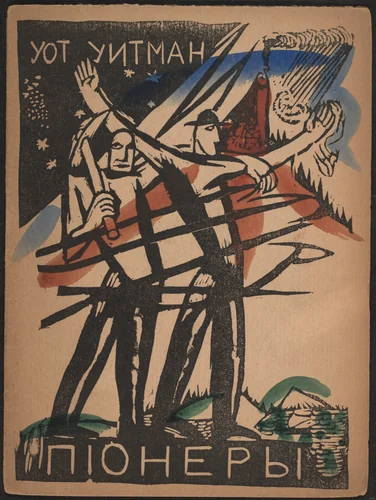
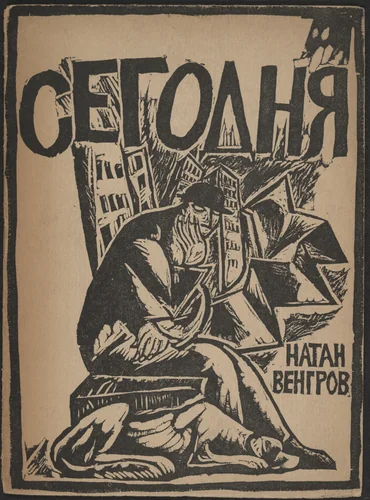
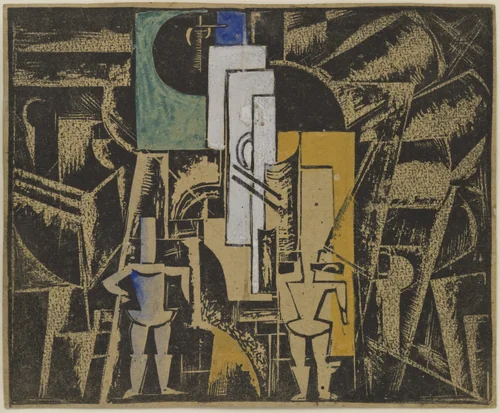
Ermolaeva’s artistic scope extended beyond the page, demonstrating a deep engagement with abstract and theoretical currents. She is also credited with an influential design derived from the foundational Futurist opera, Victory over the Sun. Her commitment to functional yet innovative design demonstrates an understanding that art must serve the public, a principle evident in later works like Pionery (Pioneers) and Segodnia (Today). It is interesting to note that despite the formal complexity of her theatrical and abstract work, her books often possessed an inherent warmth, suggesting an illustrator who balanced avant-garde rigor with human appeal. Today, original Vera Ermolaeva prints are highly sought after by collectors, and many of her designs are readily available as high-quality prints via public domain archives, ensuring broad access to her modernist achievements. Her works are held in prestigious institutions, including the Museum of Modern Art.
Source: Wikipedia · CC BY-SA 4.0