Ventura Salimbeni
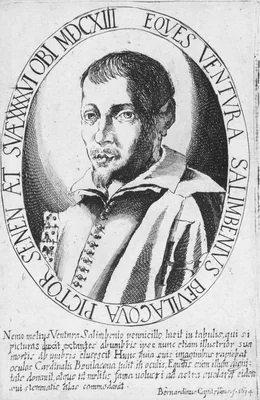
Ventura di Archangelo Salimbeni (1567-1605) stands as one of the definitive figures of the Sienese school, operating at the critical juncture between the decline of high Mannerism and the early emergence of the Baroque style. Primarily recognized as a painter and printmaker, his active career between 1567 and 1605 established him as a master of sophisticated draftsmanship and expressive religious narrative.
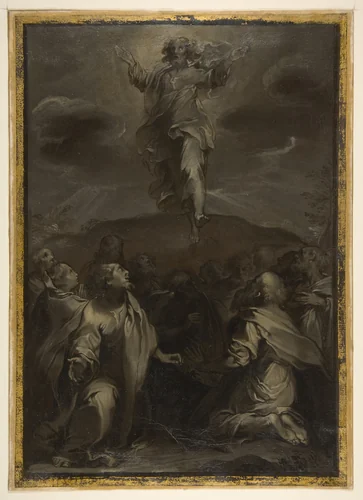
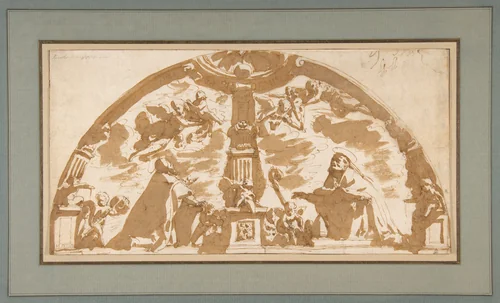
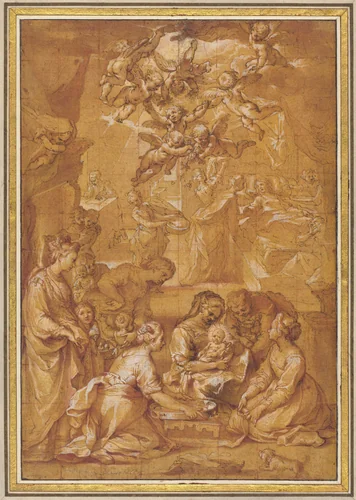
Salimbeni’s artistic philosophy was deeply rooted in the sensual reform championed by the Umbrian master Federico Barocci. He was instrumental in popularizing the Counter-Maniera aesthetic, moving away from the intellectualized and sometimes overwrought compositions of his predecessors. This movement emphasized vaghezza—a quality of graceful, atmospheric softness—which injected his deeply religious subjects with a renewed sense of emotional immediacy and fluidity. This influence is readily apparent in his drawings, which reveal a technical virtuosity necessary for rendering complex multi-figure scenes.
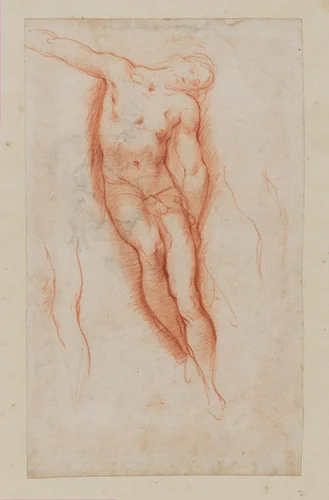
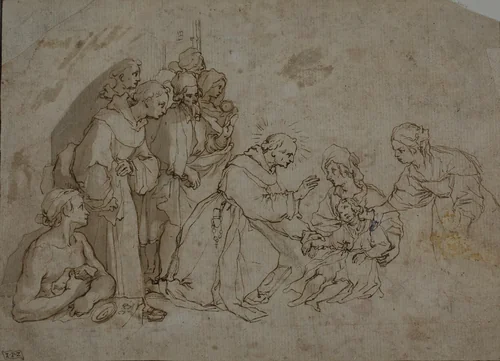
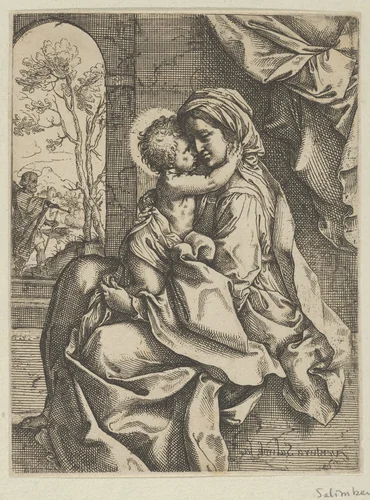
His surviving graphic works, many of which are now housed in prestigious institutions such as the Metropolitan Museum of Art and the National Gallery of Art, confirm his position as a major contributor to late Renaissance studies. Drawings like Study for the Figure of Christ in a Deposition and Figure of a Man [recto] showcase his elegant handling of chalk and wash, defining form with both accuracy and dramatic flair. Although known for significant altar pieces, his enduring legacy rests equally upon these preparatory sketches and the fine detail found in his single extant print.
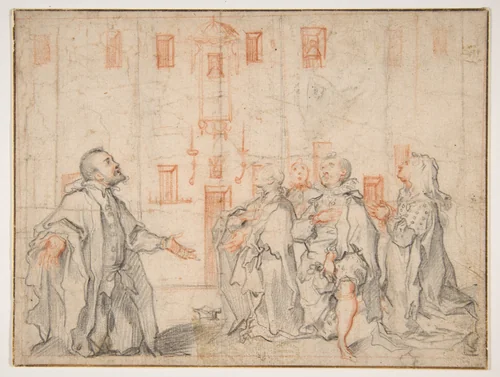
Salimbeni specialized in iconography that balanced spiritual intensity with courtly grace. A work like Family Group Kneeling Before a Street Shrine demonstrates his ability to translate fervent piety into a refined and intimate study of collective devotion. Curiously, while his religious work was focused squarely on Counter-Reformation ideals, his technique often retained a highly refined, almost precious quality, suggesting that beauty and devotion were not mutually exclusive but mutually enhancing.
Today, researchers benefit greatly from the accessibility of his graphic output. Scholars looking for high-quality prints and royalty-free images for academic study can often find significant portions of his museum-quality drawings now designated as public domain, confirming the artist's sustained relevance centuries after his active period.
Source: Wikipedia · CC BY-SA 4.0
![Figure of a Man [recto] by Ventura Salimbeni, drawing, 1567-1613](https://img.artbee.org/ffd8c6d3-6d20-4d54-be83-e36f7ab1547c/small.webp)