Various artists
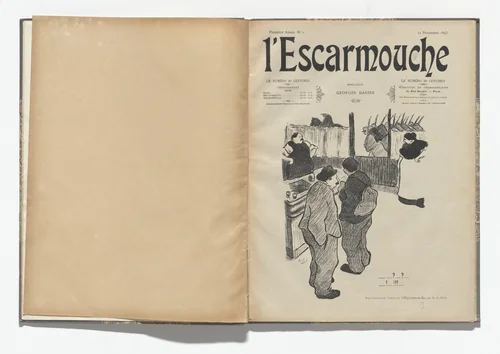
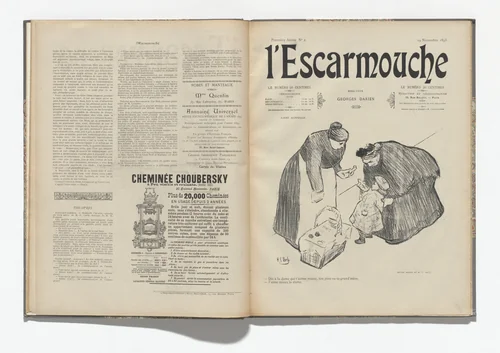
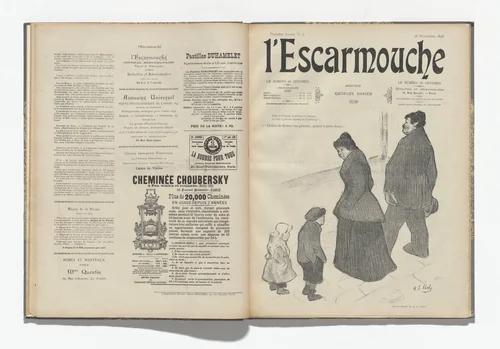
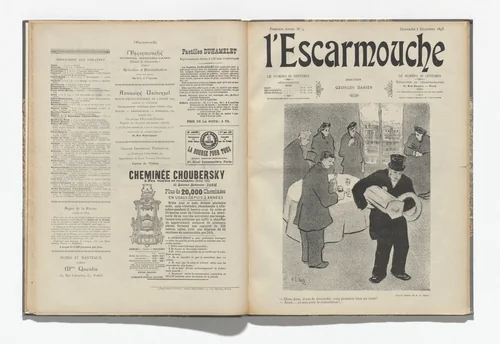
Spanning nearly three centuries, from 1600 to 1893, the extensive catalog of “Various artists” represents not a single hand but a sustained historical mechanism dedicated to thematic coherence, preservation, and the global dissemination of visual knowledge. This collective entity operates fundamentally as a curatorial practice, bringing disparate aesthetic achievements into focused conversation for study and appreciation.
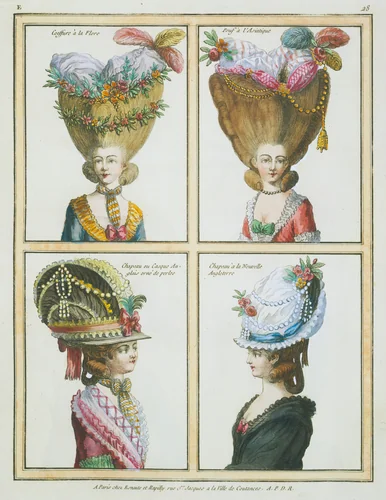
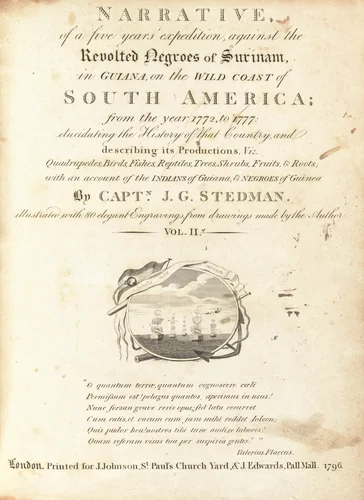
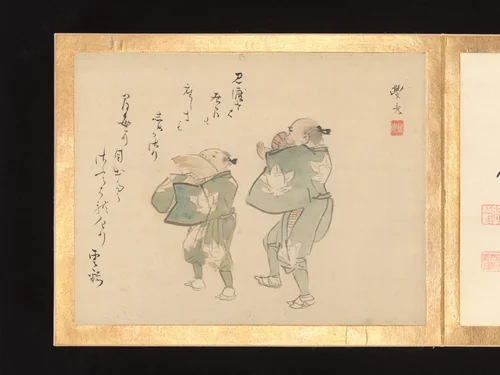
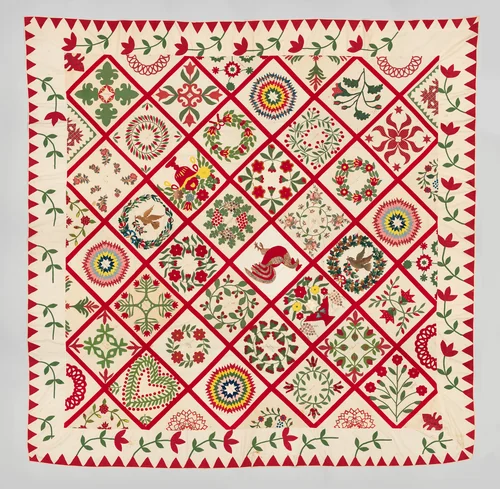
The works cataloged under this designation function as anthologies, designed to synthesize artistic output. They may gather the lifetime efforts of a singular master, creating a retrospective or definitive box set, or they may link multiple creators through a specific genre, technical mastery, or time period. This historical commitment to compilation codified artistic thought, transforming individualized efforts into standardized, often high-quality prints and volumes that served as essential records before the advent of mechanical reproduction.
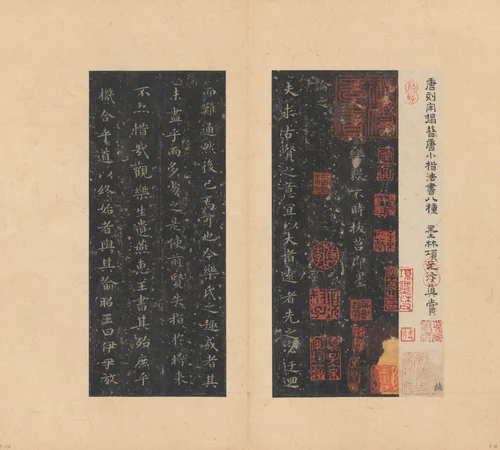
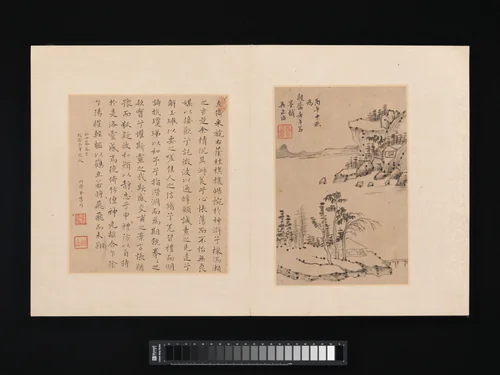
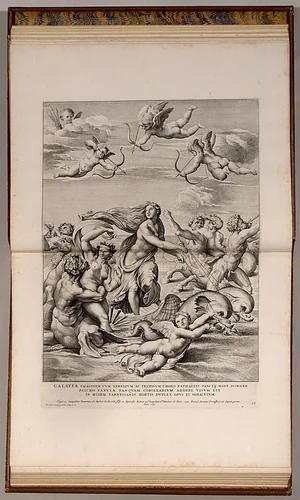
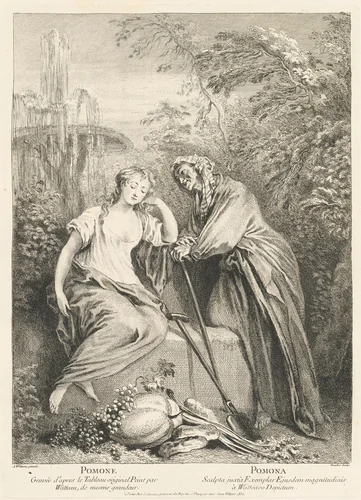
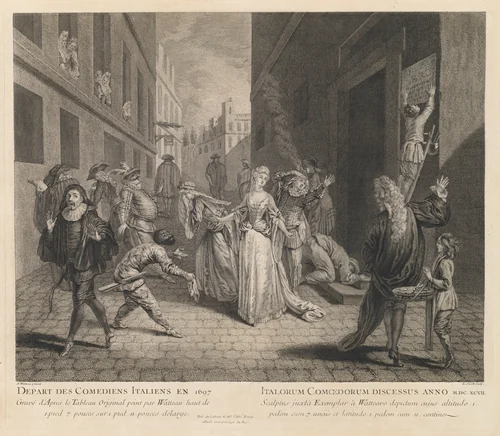
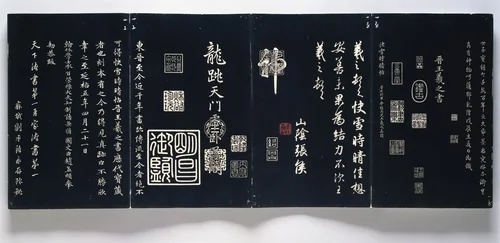
The scope of this undertaking is necessarily broad, ranging from rigorous documentation of historical styles to elaborate architectural and ceremonial records. In the East, examples highlight the necessity of scholarly fidelity, such as the comprehensive volume Eight Kinds of Jin and Tang Writings in Small Standard Script, crucial for standardizing historical calligraphy models. Conversely, the dissemination of Western Old Master aesthetics was often achieved through published suites, exemplified by the masterful Album of Engravings after Sir Peter Paul Rubens. These engraved albums were critical for training subsequent generations of artists, ensuring access to museum-quality reproductions regardless of geography.
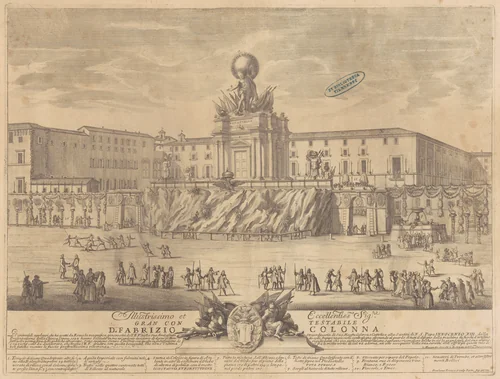
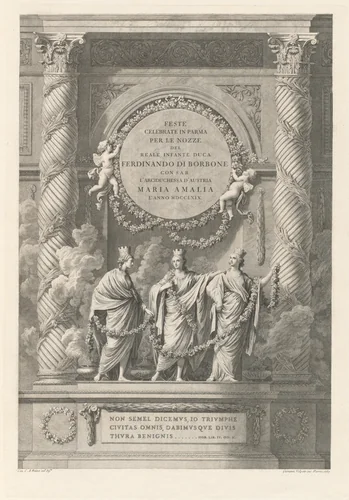
It is interesting to note that the editorial effort committed to defining a ‘set’ or ‘anthology’ often invested the compilation with greater cultural significance than the individual works alone possessed. Even works centered on ephemeral spectacles, such as the detailed documentation of Roman pageantry found in An Album of Prints of the Roman Festival of the Chinea, achieve enduring value through the commitment to precision and continuity found in the compiled volume.
The legacy of these diverse compilations lies in their capacity for structured knowledge transfer across media, encompassing volumes, prints, and paintings. This essential body of work is widely acknowledged as foundational, evidenced by its permanent acquisition by major institutions, including the Metropolitan Museum of Art and the National Gallery of Art. Today, much of this foundational material has entered the public domain, guaranteeing that these crucial historical records of technique and taste remain readily accessible as royalty-free downloadable artwork for scholars and the general public.
Source: Wikipedia · CC BY-SA 4.0