Valerio Castello
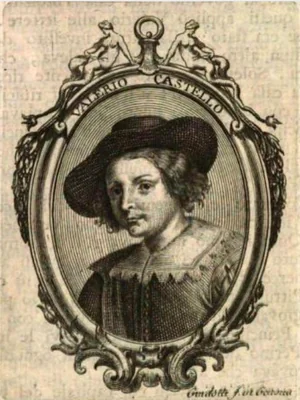
Valerio Castello, born in Genoa, stands as one of the pre-eminent Ligurian painters of the Italian Baroque period. Active roughly between 1590 and 1650, Castello synthesized a diverse range of artistic stimuli, forging a dynamic style crucial to the development of 17th-century Genoese painting. His output was equally divided between large-scale fresco cycles, which showcased his skill in sotto in sù ceiling design, and intimate, expressive works executed on canvas.
Castello’s art distinguished itself through an extraordinary eclecticism, reflecting the cosmopolitan demands of his patrons. While fundamentally rooted in the dramatic intensity of the Italian Baroque, he was unafraid to draw inspiration from divergent sources, blending the color and light associated with Venetian masters with the robust classicism emerging from Rome. Castello’s particular genius lay in synthesizing these disparate influences into a compelling, coherent vision, a necessary skill for any leading artist operating in Genoa, where patrons frequently demanded the stylistic diversity of Rome, Venice, and Flanders simultaneously.
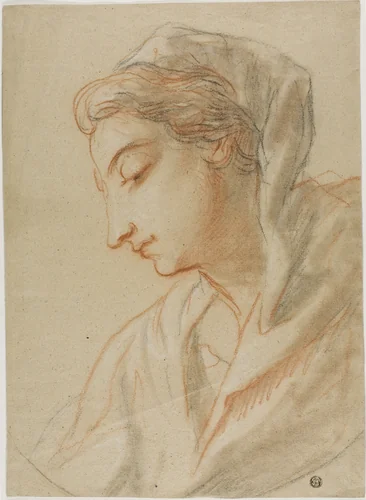
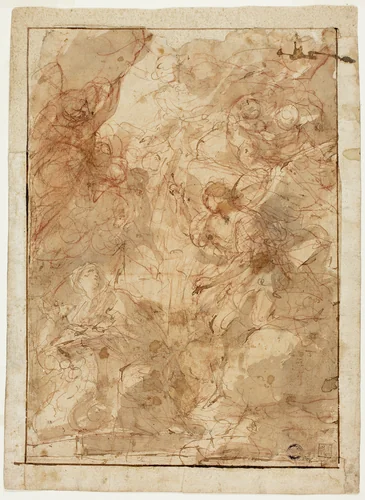
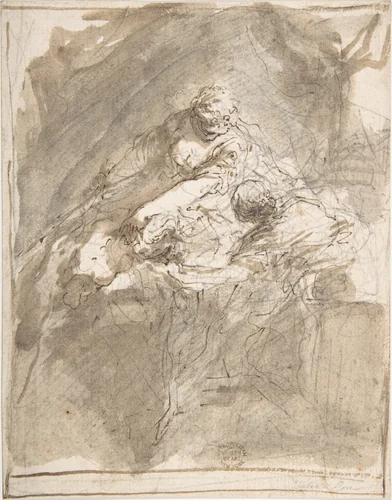
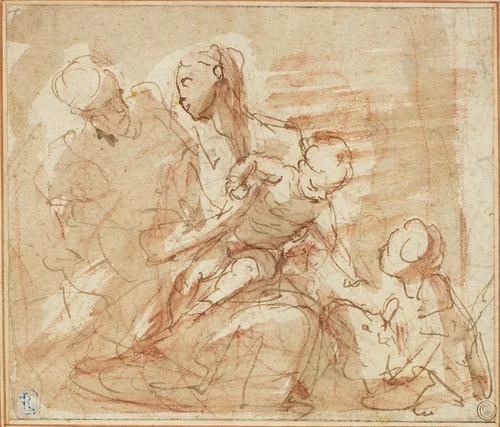
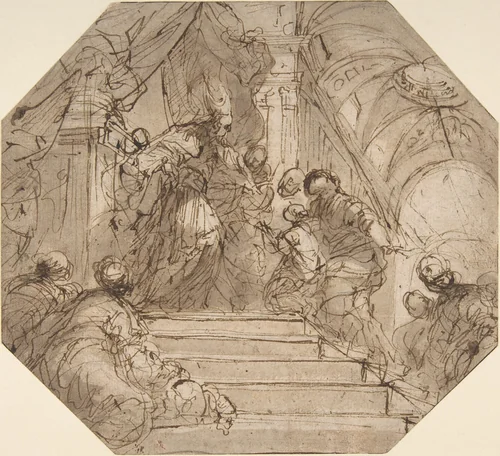
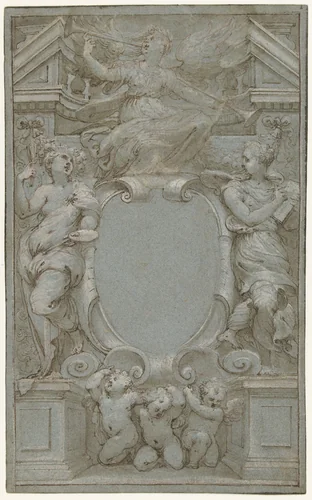
His preparatory studies reveal the meticulous planning behind his often turbulent compositions. Examples such as the powerful ink drawing Judith Decapitating Holofernes or the more tender Holy Family with the Infant Saint John, housed in collections like the Metropolitan Museum of Art and the Art Institute of Chicago, demonstrate his mastery of figural movement and psychological depth, even in works designed purely for study. Scholars continue to study these expressive preliminary works, many of which are preserved as museum-quality drawings.
The importance of Valerio Castello paintings and detailed studies in defining the sophisticated taste of the Genoese Republic cannot be overstated. Though often overshadowed historically by his Florentine and Roman contemporaries, his contributions remain vital. Today, the accessibility of his work, including numerous preparatory sketches and finished pieces available as high-quality prints, ensures that his innovative interpretation of the Baroque continues to influence appreciation of Ligurian artistry.
Source: Wikipedia · CC BY-SA 4.0