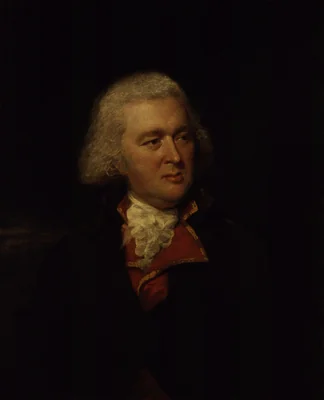
Valentine Green
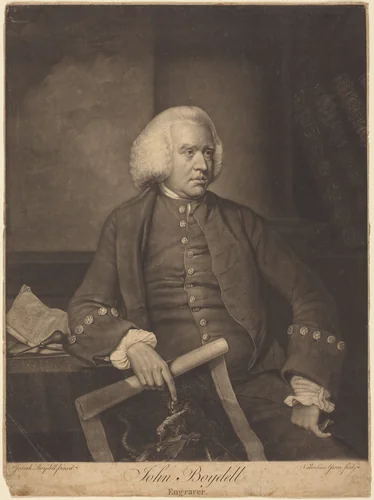
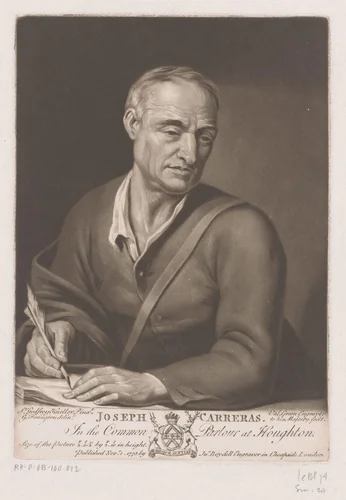
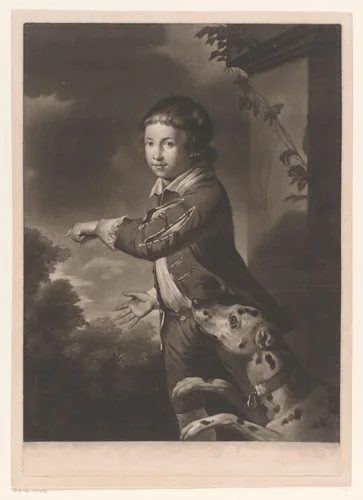
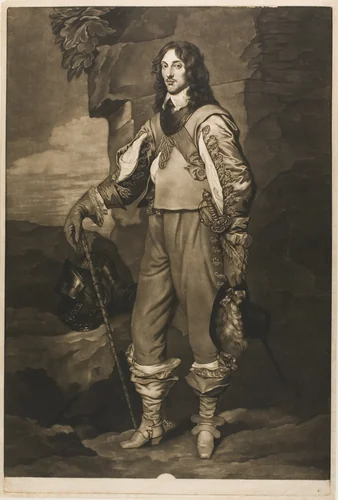
Valentine Green (1739-1813) stands as one of the preeminent British mezzotint engravers and print publishers of the Georgian era. His legacy is defined by a rigorous technical mastery that transformed the textures and tonal subtleties of contemporary portraiture and genre scenes into widely accessible printed editions, securing his works within major institutions, including the Metropolitan Museum of Art and the National Gallery of Art.
Green began his foundational training under Robert Hancock in Worcester before relocating to London, the nucleus of 18th-century English print culture. His ascent through the institutional hierarchy was notably swift. He began exhibiting with the Incorporated Society of Artists in 1766, rapidly achieving a fellowship and a directorship by 1771. His reputation solidified nationally with his appointment as mezzotint engraver to the King in 1773, followed by his election as an associate engraver of the Royal Academy the subsequent year.
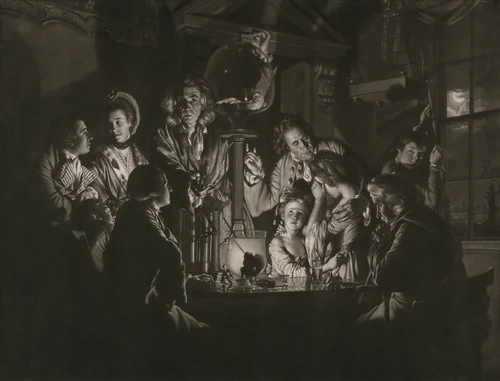
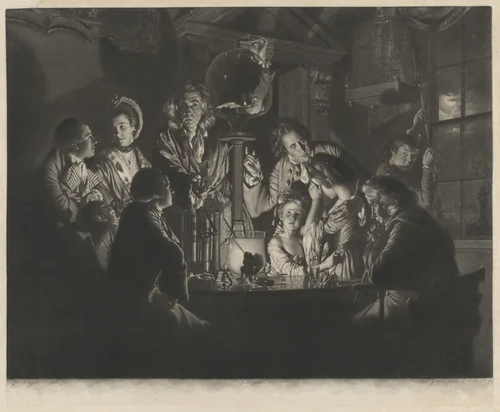
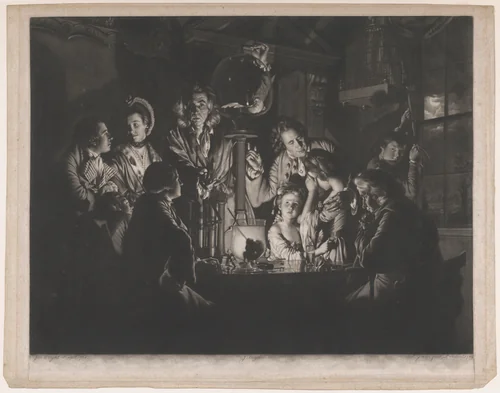
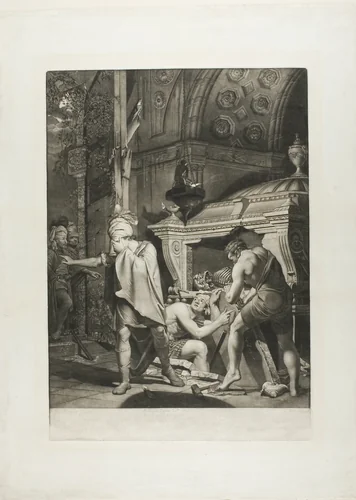
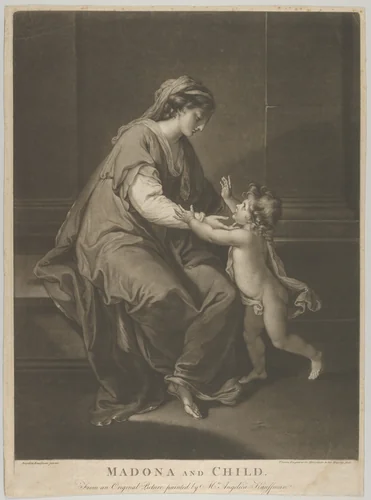
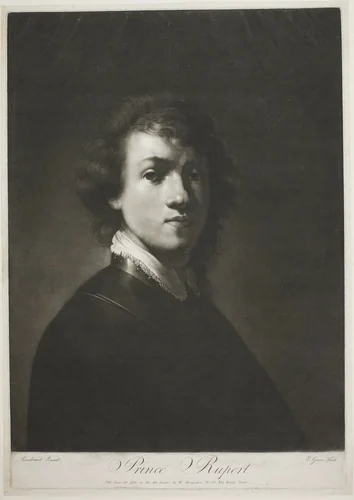
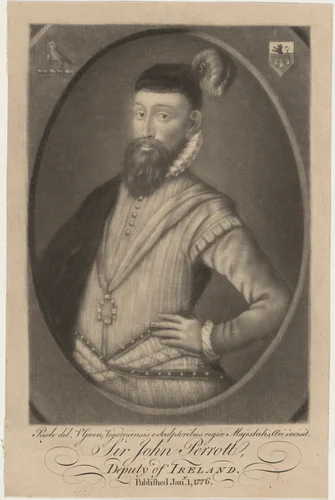
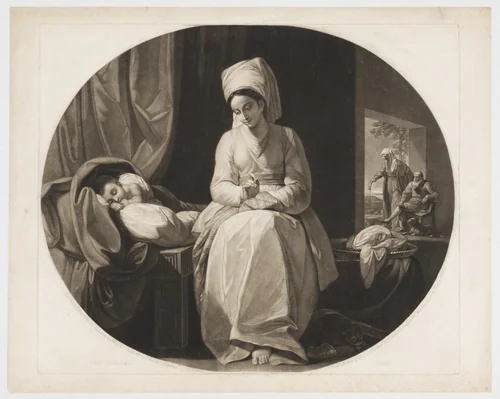
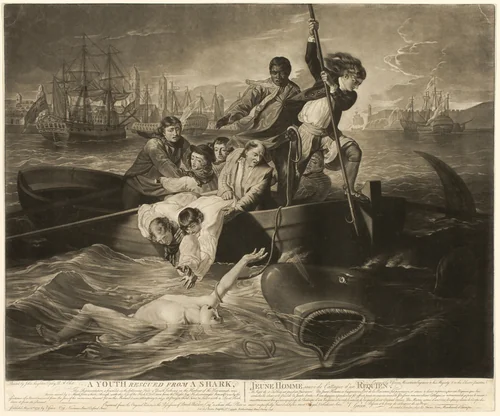
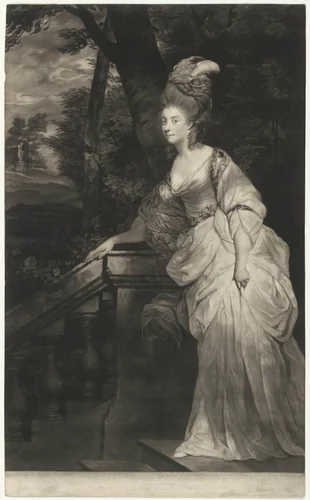
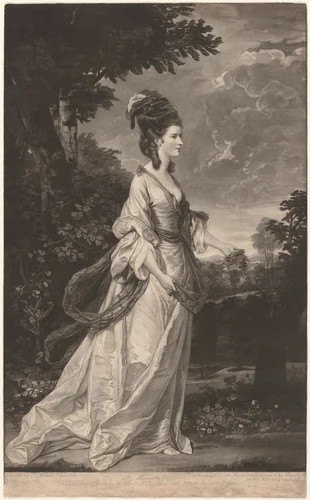
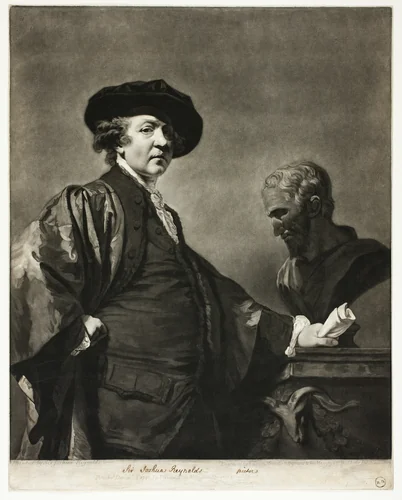
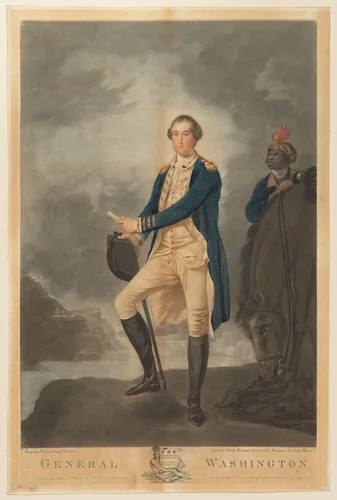
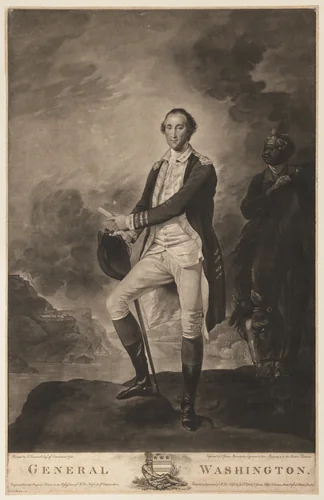
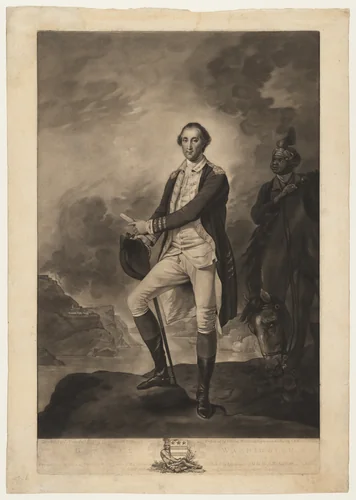
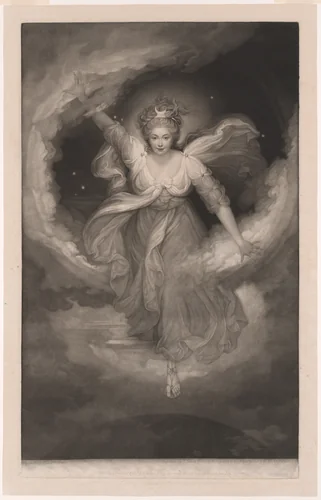
The 1770s and 1780s marked the commercial and artistic zenith of Green’s engraving practice. He specialized in translating complex, high-profile oil paintings into accessible formats, thereby playing a critical role in establishing the international reputation of British painters. His most celebrated achievements include the reproduction of Joseph Wright of Derby's profound scientific scene, A Philosopher Shewing an Experiment on the Air Pump, alongside numerous finely detailed portraits, such as Sir Thomas Wharton. His command of the mezzotint technique allowed for extraordinary depth and variation, distinguishing his output as truly museum-quality work. Today, many surviving Valentine Green prints offer invaluable insight into the period’s artistic taste.
Green was not merely a reproductive engraver but an ambitious publisher, frequently engaging in costly international ventures to distribute his work. It is an understated observation of the period's volatile market that despite his royal appointments and artistic success, several of these international speculations failed spectacularly in the late 1790s, leading to his declaration of bankruptcy in 1798. Following this collapse, Green transitioned to institutional service, accepting the dignified role of keeper of the British Institution in 1805, a post he maintained until his death. His works, frequently found today in the public domain, continue to exemplify the golden age of English printmaking.
Source: Wikipedia · CC BY-SA 4.0