Valentin Bousch
Valentin Bousch occupies a distinct and critical position in the history of Northern Renaissance art, recognized primarily as a highly innovative stained glass glazier and painter. Although documented activity spans a strikingly brief period, operating between 1531 and 1533, the Strasbourg native established himself as a forward-thinking artist working across the political and cultural boundaries of the Duchy of Lorraine and the Republic of Metz.
Bousch is considered a rarity among his contemporaries for his deliberate, proactive adoption of new artistic concepts. While most glaziers of the period maintained traditional local practices, Bousch actively sought to express emerging Italian Renaissance ideas in the demanding medium of glass, often introducing these novel concepts to the region before they were widely accepted. His approach was defined by relentless technical revision; records indicate he fundamentally adjusted his method even from one commissioned window to the next. This willingness to overturn precedent, rather than settle upon a signature formula, allowed him to create remarkably striking Renaissance effects and cultivate a sophisticated, distinctive personal style.
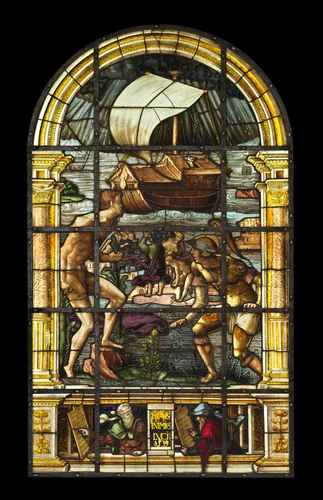
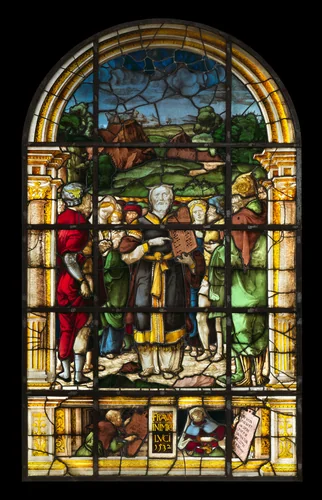
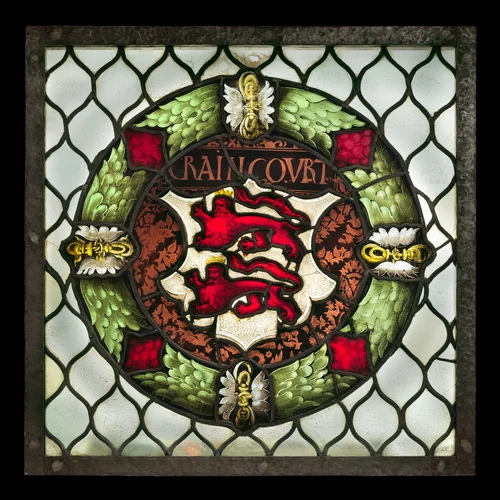
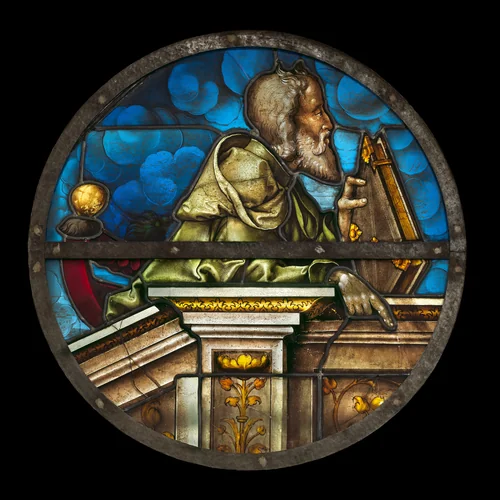
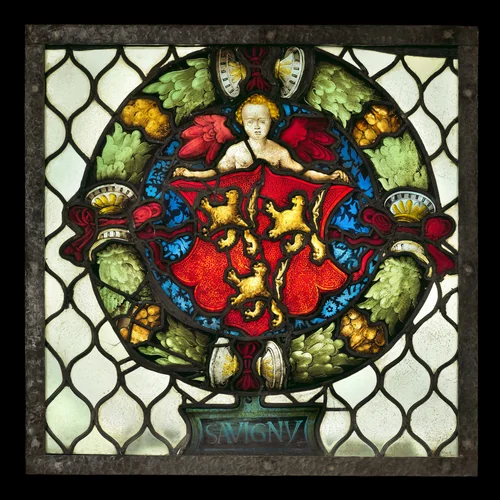
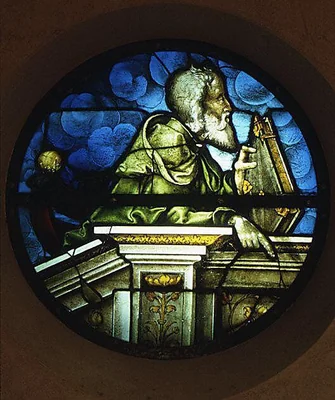
This dynamic experimentation yielded a body of work characterized by powerful compositional treatments and refined color palettes. His theological subjects, including the majestic Moses presenting the tablets of law and the dramatic narrative of The Deluge, showcase a clear mastery of intricate figure work that belied the perceived limitations of colored glass. Even his secular commissions, such as The Craincourt Arms, retain a sense of vivid, dynamic precision.
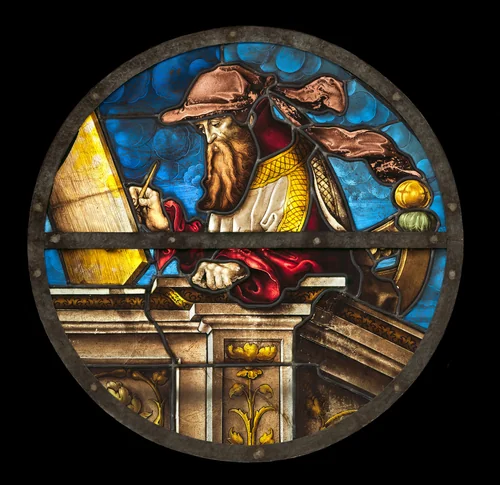
Though the documented length of his career lasted barely three years, the sheer volume of technical change and aesthetic maturation achieved in that span suggests a powerful, focused intensity underlying his work. Today, examples of Valentin Bousch paintings and glasswork are held in major global institutions, including the Metropolitan Museum of Art. For scholars, high-quality prints and downloadable artwork of his key compositions, like The Prophet Isaiah and The Prophet Moses, are frequently available through public domain initiatives, ensuring that the inventive spirit of this influential glazier continues to inform the study of sixteenth-century Germanic art.
Source: Wikipedia · CC BY-SA 4.0