- UZB - UNOCHA.svg)
Uzbekistan
Uzbekistan, situated at the historical nexus of the Silk Road in Central Asia, maintains a unique geopolitical identity as one of only two nations globally that is doubly landlocked. This sustained geographic isolation, coupled with intense cross-cultural interaction, fostered a unique and highly refined artistic tradition that flourished dramatically between 1601 and 1850.
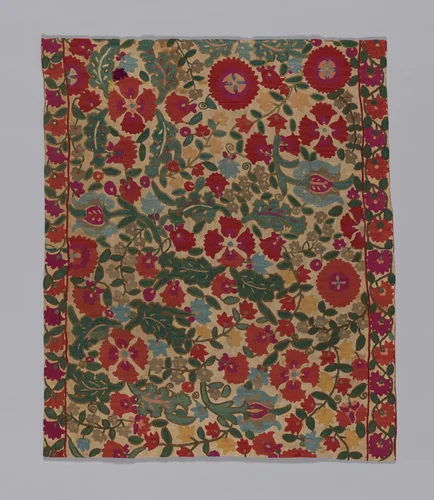
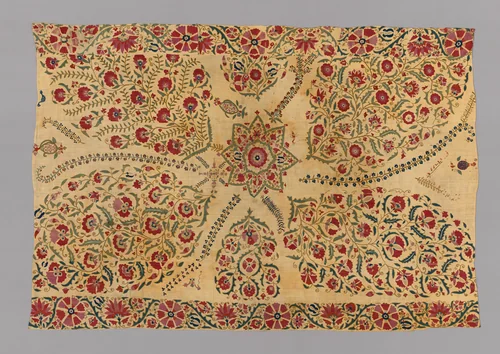
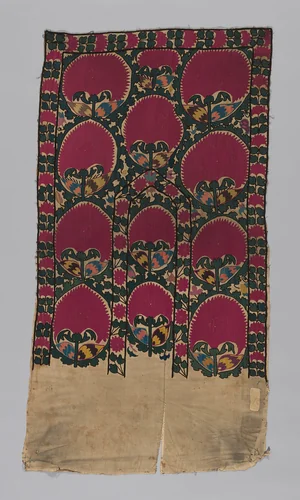
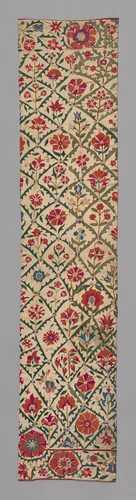
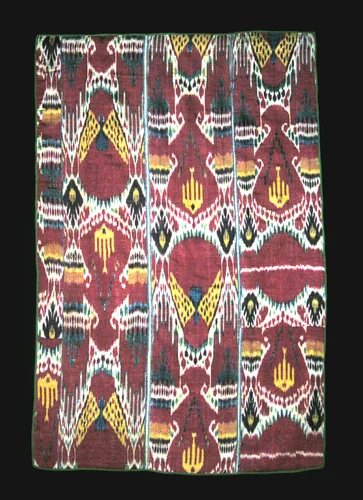
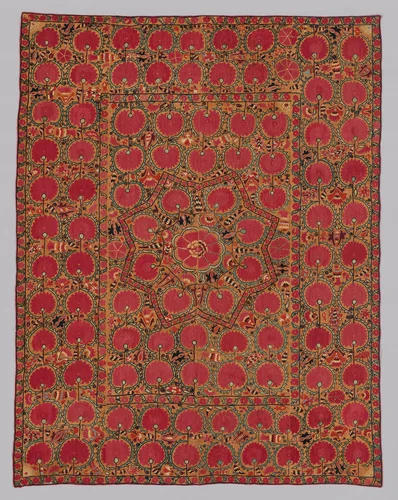
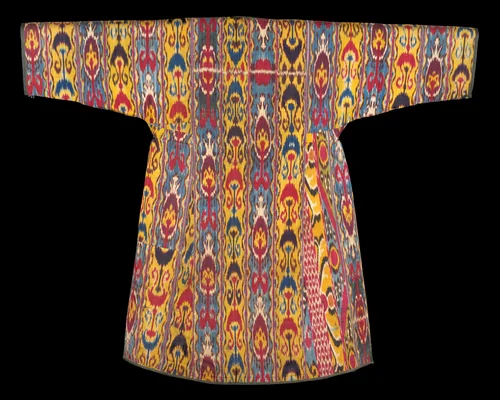
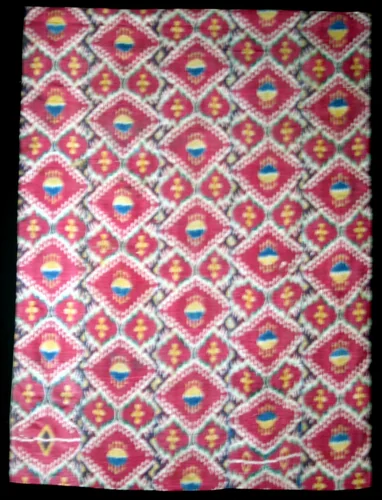
The artistic history of this period is overwhelmingly documented through textiles. Representing both portable wealth and domestic sanctity, these works, including surviving Panels, large Covers, and detailed Wall Hangings, demonstrate an extraordinary mastery of fiber and dye. The period is most famed for the production of the suzani, a large, often intricately embroidered hanging or cover. Utilizing sophisticated techniques, particularly variations of the chain and satin stitch, artisans translated the vibrant natural world into stylized geometric and floral motifs, designed primarily using locally sourced silk and cotton. These textiles were essential components of dowries and domestic architecture, often commissioned in segments before being stitched together, a process which sometimes led to delightful, subtle shifts in pattern and palette across a single piece.
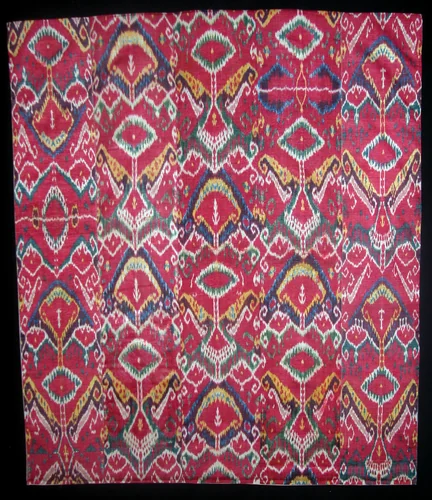
The diversity inherent in Central Asian culture, where Uzbek is the official language but Russian and Tajik are significant minority tongues, is mirrored in the design vocabulary, which absorbed influences from Persianate, nomadic, and settled oasis traditions. Although primarily associated with Sunni Islam, the resulting visual language is universally appealing, characterized by its saturated color fields and kinetic symmetry.
Today, these historical artifacts are considered museum-quality works, notably represented in collections such as the Art Institute of Chicago. The enduring nature of the aesthetic ensures that the visual grammar of Uzbek design remains a vital source for scholars and contemporary artists. Much of this historical material is now available as downloadable artwork, making high-quality prints accessible through public domain archives. This ready availability ensures that the sophisticated legacy embedded in every thread of these historical Uzbekistan prints continues to inform and inspire future textile and design endeavors, offering a vast repository of royalty-free inspiration.
Source: Wikipedia · CC BY-SA 4.0