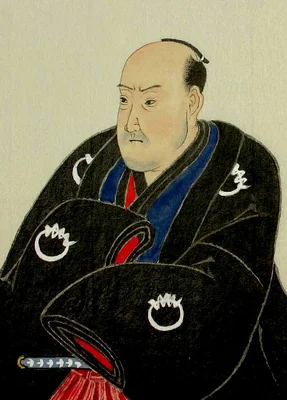
Utagawa Toyokuni
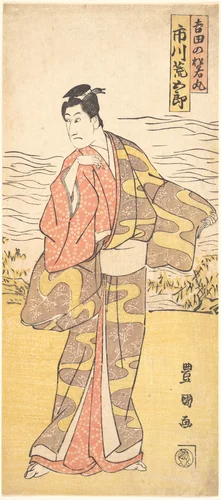
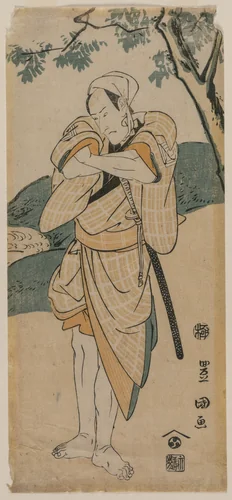
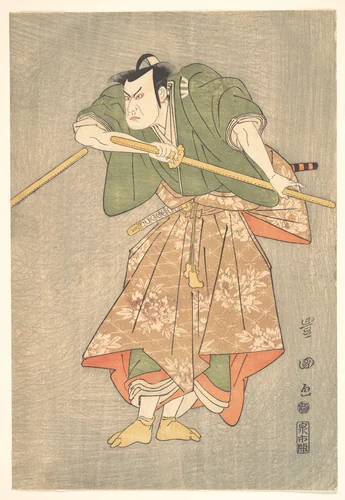
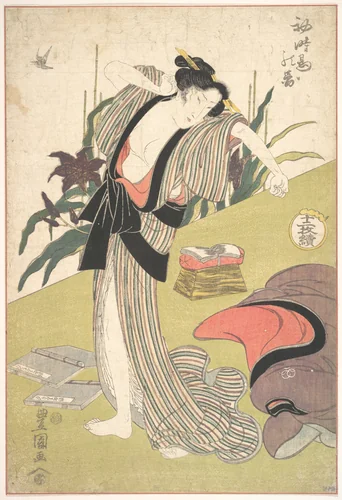
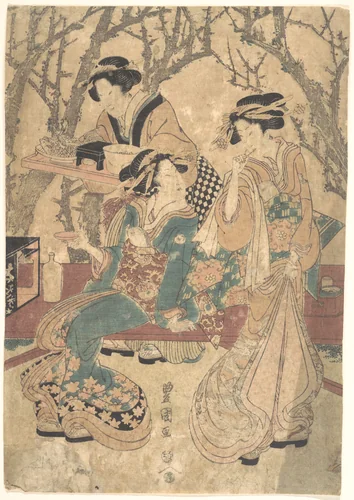
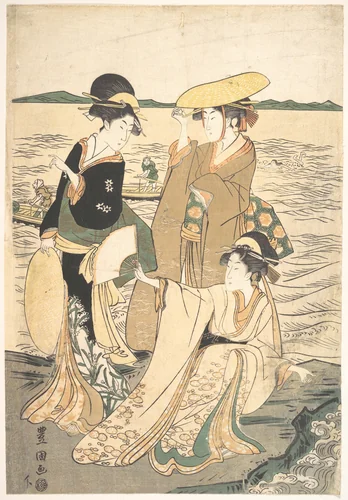
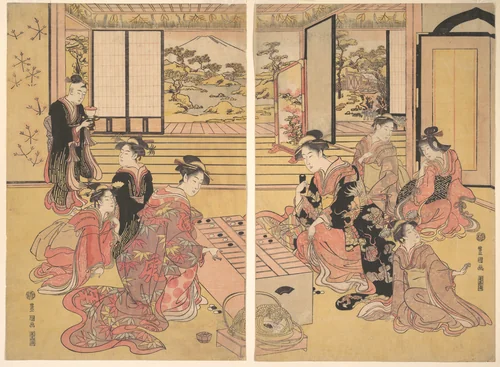
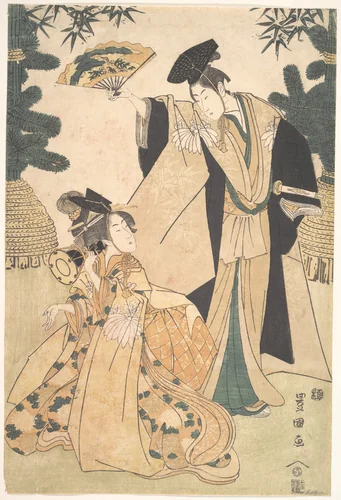
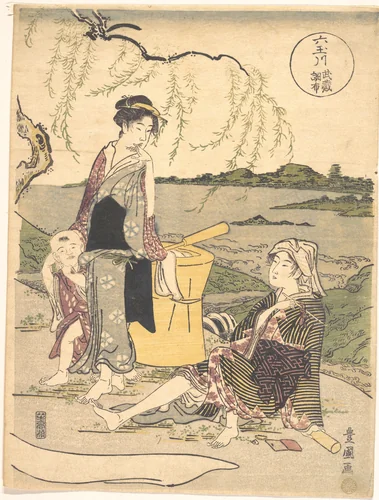
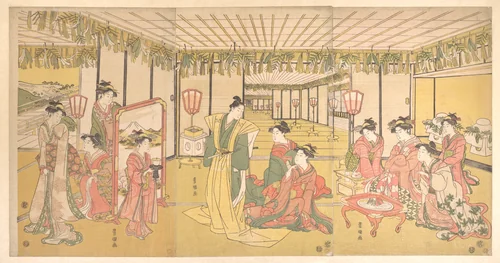
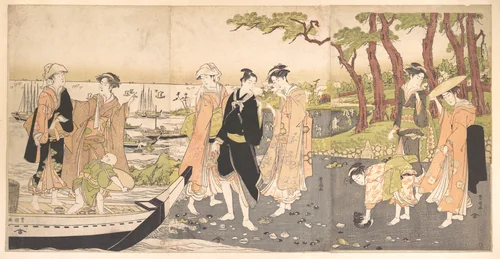
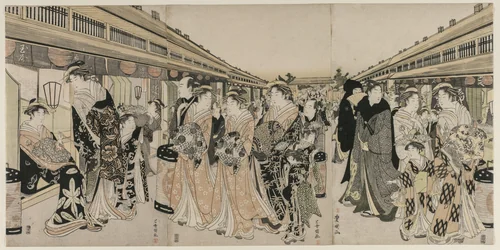
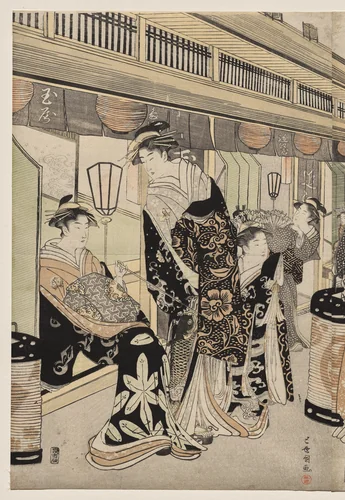
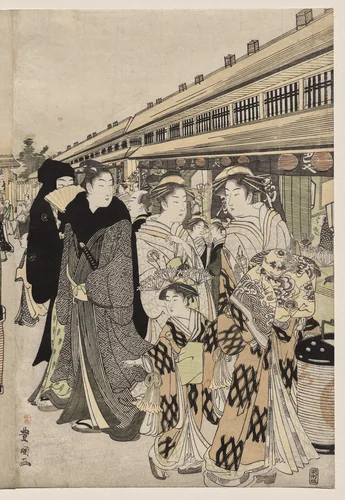
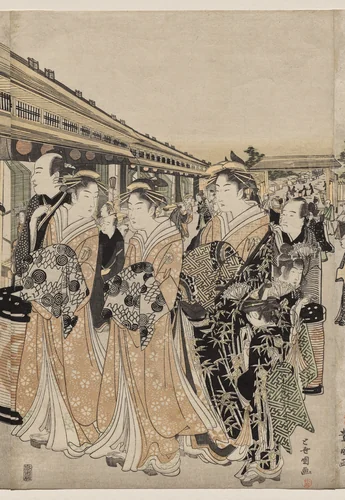
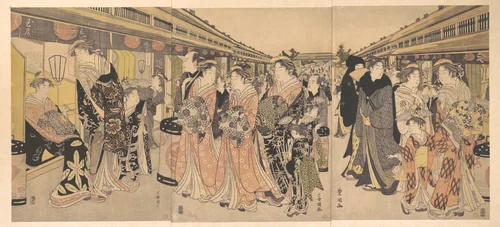
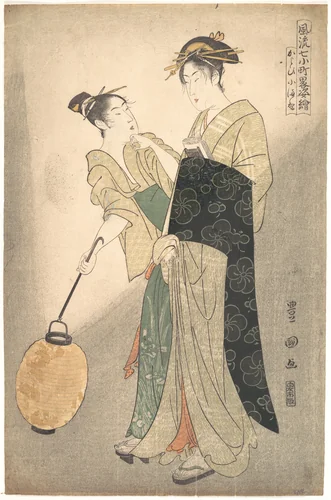
Utagawa Toyokuni (1769-1825), often identified as Toyokuni I to differentiate him from successors who inherited his gō (art-name), remains a foundational figure in the history of Japanese ukiyo-e, or pictures of the floating world. While his total documented output includes a small number of Utagawa Toyokuni paintings, his global significance derives from his prolific mastery of the woodblock print, particularly his compelling actor portraits.
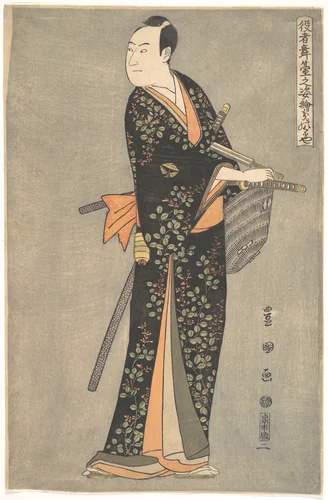
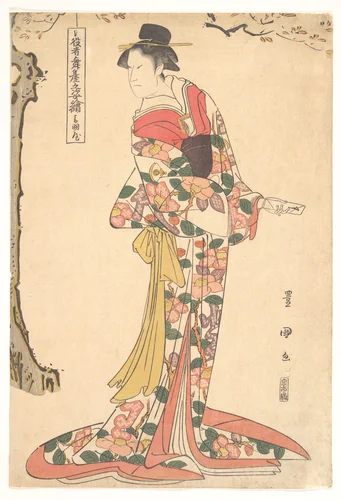
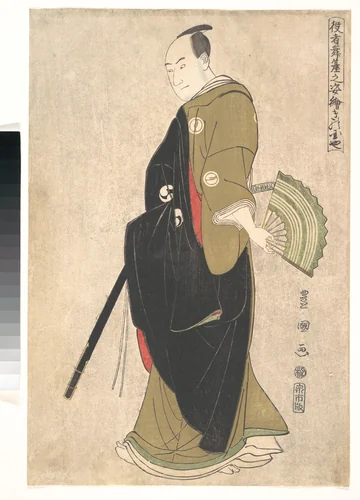
As the second head of the Utagawa school, succeeding his master Utagawa Toyoharu, Toyokuni oversaw the institution’s dramatic rise. It was through his innovative approach and technical skill that the school was elevated to a position of great fame and power, effectively dominating the print market and maintaining its influence throughout the rest of the nineteenth century. He developed a highly successful and commercially appealing style for depicting the stars of the kabuki stage, specializing in large, dynamic compositions known as yakusha-e.
Toyokuni’s work captured the theatrical intensity and fashionable detail of Edo period performance. Prints like Nakamura Nakazo II as Matsuo-maru demonstrate his technical prowess in handling detailed costume and strong posture, while pieces such as Onoe Matsusuke as the Ghost of the Murdered Wife Oiwa delve into the macabre, dramatic roles demanded by the period's narrative theater. His genius lay in his ability to prioritize recognizable character portrayal, a pragmatic choice essential for an artist working within the highly commercial and competitive world of published art.
His artistic legacy extended far beyond his lifetime through his vast number of apprentices, including Kunisada and Kuniyoshi, who carried his lineage forward. Today, Toyokuni’s contributions are preserved in major repositories worldwide, cementing his status as a master printmaker. Many of these museum-quality works are available as high-quality prints through public domain initiatives, allowing modern audiences to engage directly with the dramatic realism that defined his most successful period. These downloadable artwork resources testify to the enduring impact of his command over the Edo stage.
Source: Wikipedia · CC BY-SA 4.0