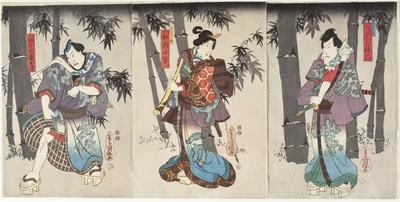
Utagawa Kuniteru
Utagawa Kuniteru was a Japanese artist whose active career spanned nearly eight decades, with documented works dated between 1800 and 1879. This long period of activity places his practice across the late Edo period and into the subsequent Meiji Restoration, a time characterized by both traditional cultural forms and rapid technological integration.
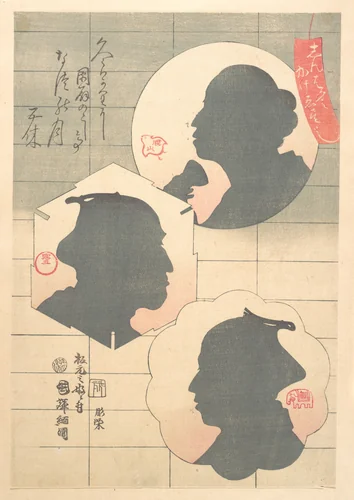
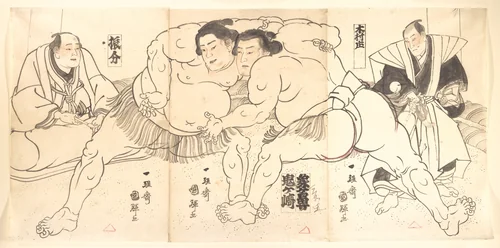
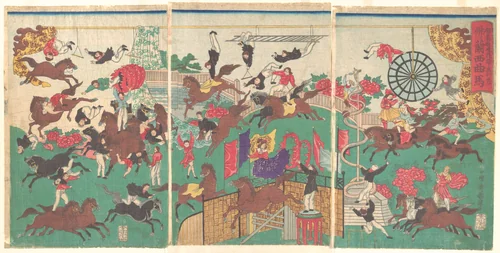
The artist is represented in major institutional holdings by eight works, consisting of seven Utagawa Kuniteru prints and one painting. His versatility in subject matter is evident across these documented pieces. Early designs adhere to established ukiyo-e genres, depicting subjects related to popular entertainment and culture, such as the print Silhouette Image of Kabuki Actor and compositions dedicated to Sumo Wrestling.
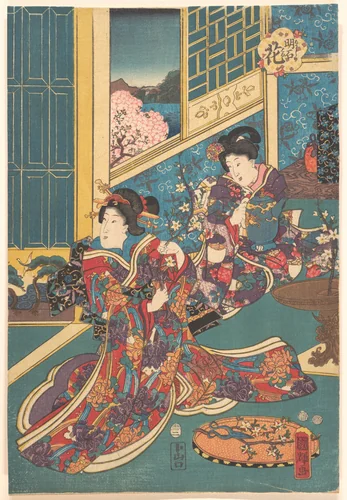
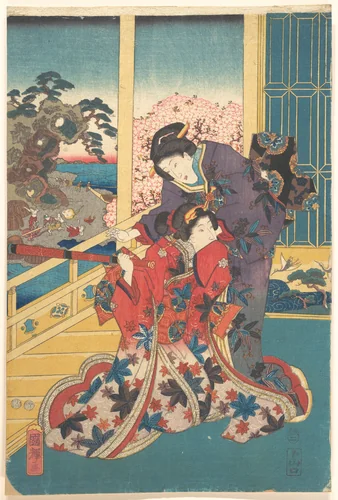
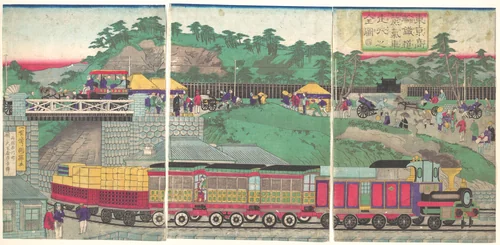
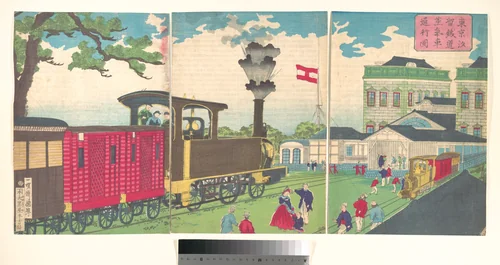
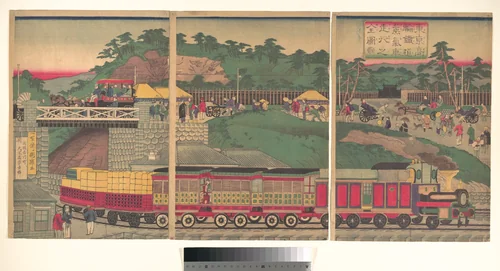
As modernization accelerated during the mid-nineteenth century, Kuniteru engaged with new subject matter. A notable example of this shift is the print Illustration of a Steam Locomotive Running on the Takanawa Railroad in Tokyo, which documents the introduction of Western infrastructure to the capital. Other documented works include multiple versions of Flower of Akashi.
The historical and artistic significance of Kuniteru's output is evidenced by its preservation in prominent institutions, including the Metropolitan Museum of Art. These museum-quality works provide a visual record of Japan’s nineteenth-century transition.
Source: Wikipedia · CC BY-SA 4.0