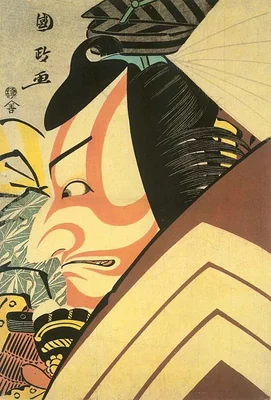
Utagawa Kunimasa
Utagawa Kunimasa (1773-1804) remains a crucial, if tragically short-lived, practitioner of ukiyo-e associated with the powerful Utagawa school lineage. His artistic output, executed across a highly concentrated period of activity ending around 1804, focused almost entirely on capturing the dynamic, volatile world of the Kabuki stage. Kunimasa is recognized for mastering the yakusha-e, or actor portrait, during a critical transitional phase in woodblock printing history.
Originally hailing from Aizu in Iwashiro Province, Kunimasa first relocated to Edo and found employment within the city’s thriving textile trade, working in a dye shop. It was through this initial involvement with color and materials that his talent was identified by the legendary Utagawa Toyokuni, leading to Kunimasa’s formal apprenticeship within the burgeoning Utagawa studio.
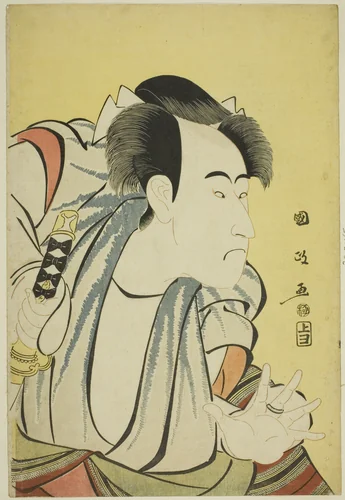
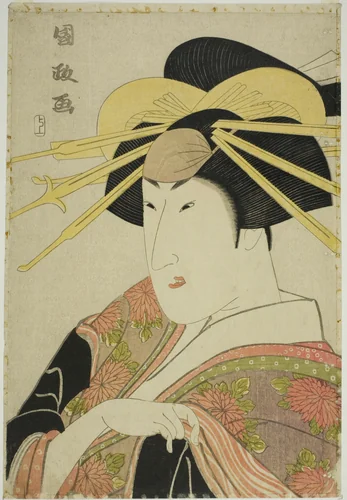
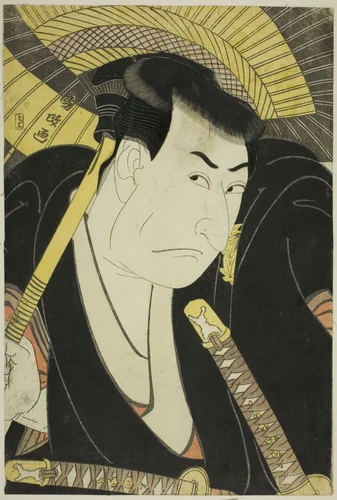
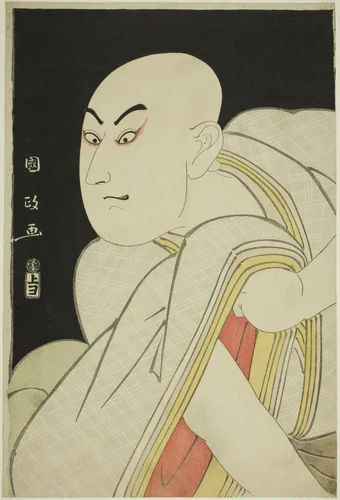
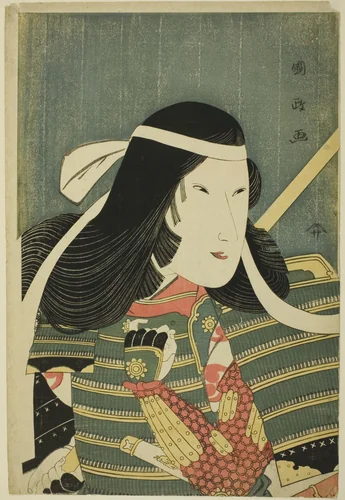
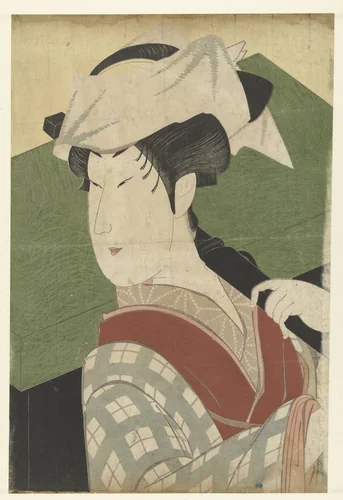
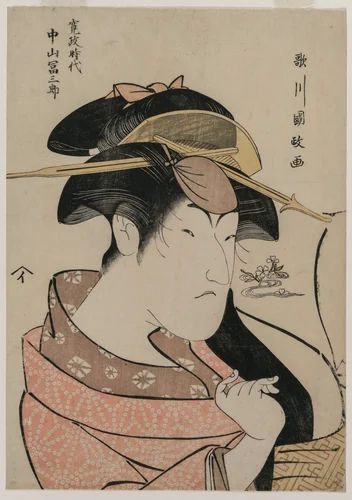
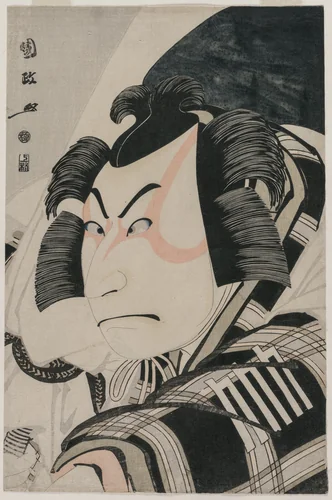
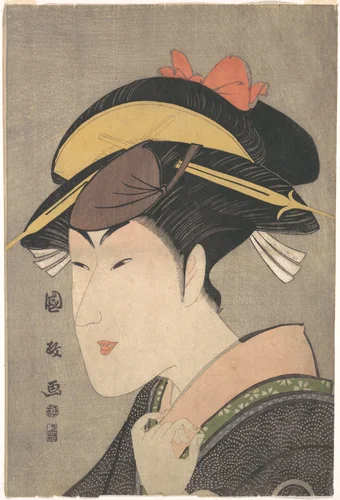
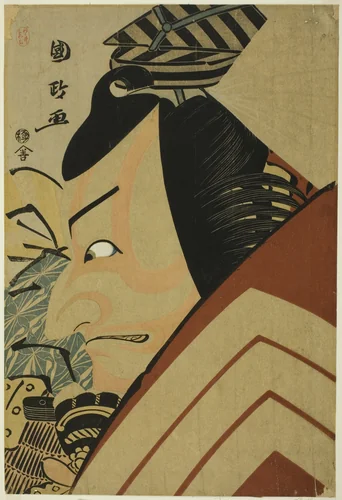
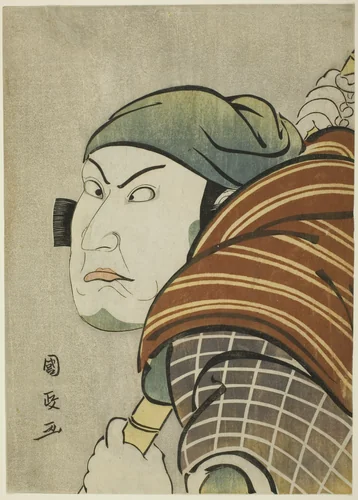
Under Toyokuni’s tutelage, Kunimasa quickly developed a distinctive, bold style characterized by dramatic compositions and rich coloration, echoing but refining the expressive intensity of his master. His subjects were invariably the great stars of his day, captured in moments of high drama or powerful mie poses. His surviving oeuvre showcases key figures of the stage, including insightful portraits of Ichikawa Danjuro VI and Ichikawa Omezo, as well as the depiction of Sawamura Sojuro III in the role of the lay priest Kiyomori. His dedication to depicting actors in female dress, such as in his work Portrait of an Actor in Female Dress, demonstrates his technical range in handling complex costume details and emotional nuances.
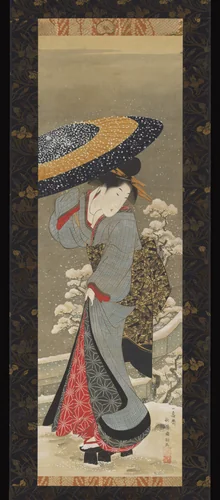
Kunimasa’s legacy lies in his focused intensity; while many of his contemporaries branched into historical scenes or genre painting, he remained committed to elevating the theatrical portrait. His early death curtailed what promised to be a major career, yet his high-quality prints proved influential for the succeeding generation of Utagawa artists. Today, these museum-quality works, which include approximately eleven known prints and one documented Utagawa Kunimasa painting, are preserved in major collections globally, including the Rijksmuseum and the Metropolitan Museum of Art. Many of these key historical pieces are now in the public domain, ensuring access to downloadable artwork that preserves the vibrancy of Edo-period performance.
Source: Wikipedia · CC BY-SA 4.0