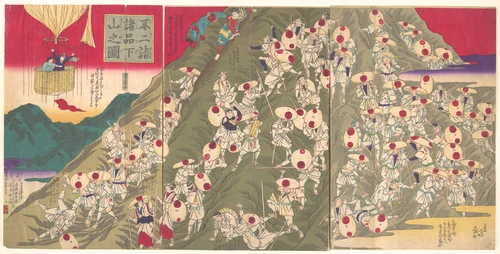
Utagawa Hiroshige III
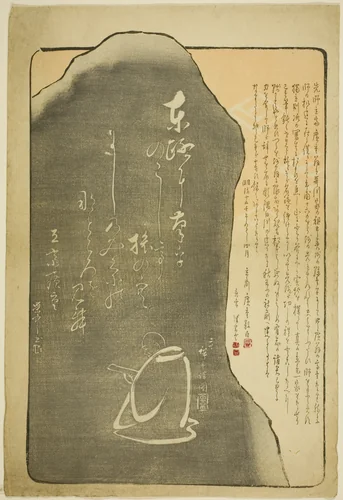
Utagawa Hiroshige III (active c. 1860-1883), also known by the name Andō Tokubei, fulfilled a critical, transitional role in Japanese visual culture. As the successor and student of the great landscape master Utagawa Hiroshige, he inherited a profound artistic legacy just as the ukiyo-e medium itself collided with the overwhelming forces of the Meiji Restoration. His output bridges the aesthetic traditions of the Edo period with the startling visual novelties of the new industrial age.
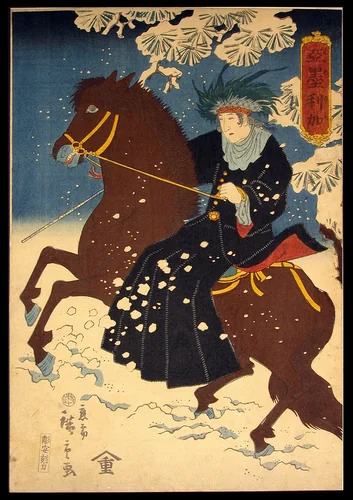
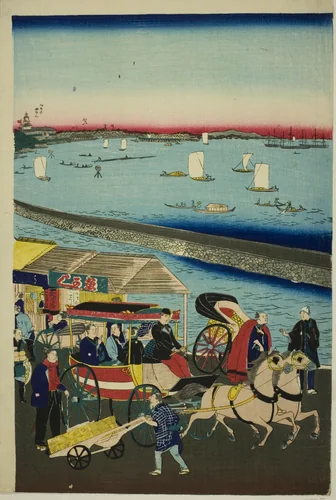
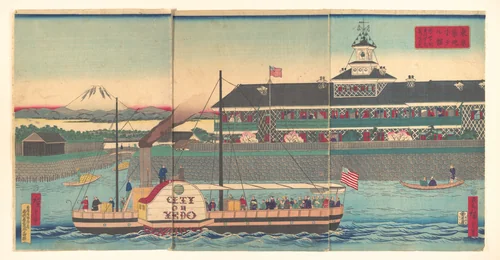
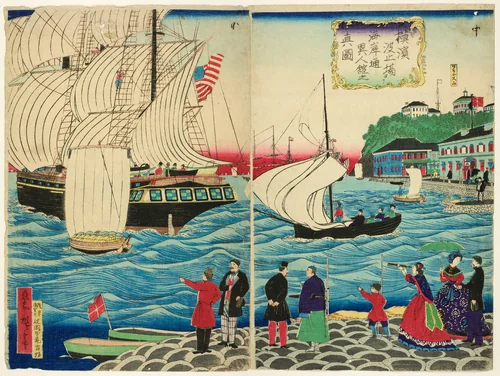
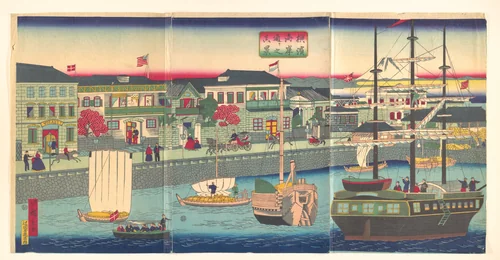
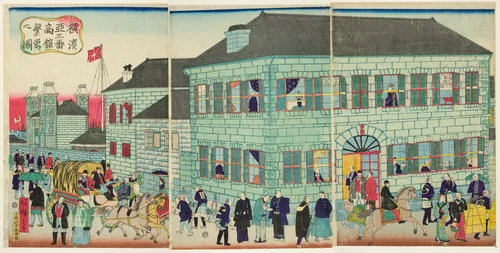
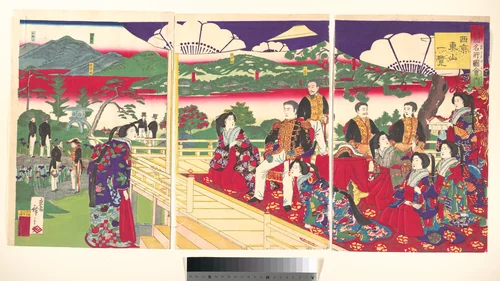
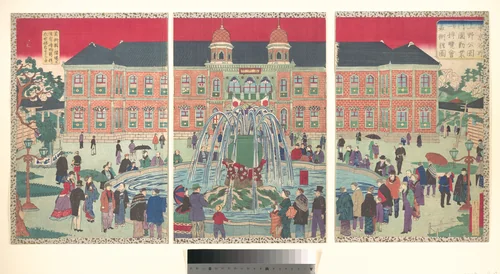
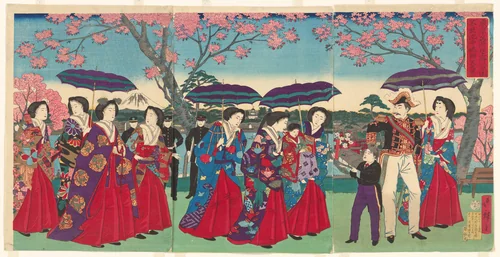
Where earlier masters chronicled the pleasure quarters and poetic views of nature, Hiroshige III became the primary visual interpreter of Japan’s headlong rush into modernization. His distinctive works, often categorized as kaika-e (civilization and enlightenment pictures), serve as vivid documentation of unprecedented technological and architectural change. His compositions frequently juxtapose traditional woodblock techniques with exotic, Western subject matter, capturing everything from gas-lit streets and brick buildings to steamships and railways.
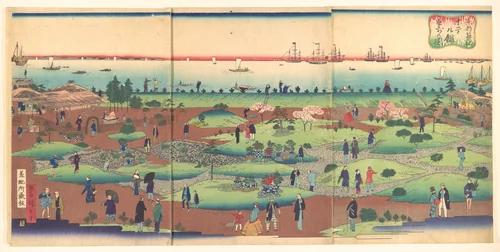
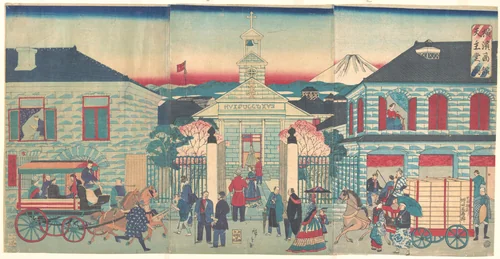
The works cataloged here demonstrate this focus unequivocally. Prints like Picture of the Steam Engine Railway in Yatsuyama, Tokyo and Illustration of the Front Garden of the Tsukiji Hotel in the Eastern Capital chart the nation’s technological advancement and its adoption of Western structures. His meticulous approach to architectural detail, also seen in Illustration of Foreign Residences and the Catholic Church in Yokohama, preserves visual records of imported styles and infrastructure that were rapidly transforming cities like Tokyo and Yokohama. These compositions were distributed widely as high-quality prints, providing the Japanese public with accessible views of the quickly evolving urban landscape.
Although the name Hiroshige remains synonymous globally with the delicate beauty of the Tōkaidō road stations, it is the third generation who successfully anchored the tradition in the industrial era. His works are now preserved in major institutional holdings, including the Metropolitan Museum of Art and the Art Institute of Chicago, and are frequently available as royalty-free downloadable artwork, ensuring their continued scholarly importance. It is perhaps the highest irony that a successor to the pre-eminent artist of the natural landscape earned his fame depicting the smoke-belching machines that conquered it.
Source: Wikipedia · CC BY-SA 4.0