- USA - UNOCHA.svg)
United States
The artistic output cataloged under the entity “United States” represents a critical survey of material culture developed during the nation’s active period of emergence, specifically spanning the 18th century (1701-1800). This unique designation encompasses a diverse collection of decorative and functional objects created within the North American territories that would eventually form the federal republic of 50 states. The works from this era document the complex artistic demands of a society in transition, situated across a vast and geographically diverse region, bordering Canada to the north and Mexico to the south.
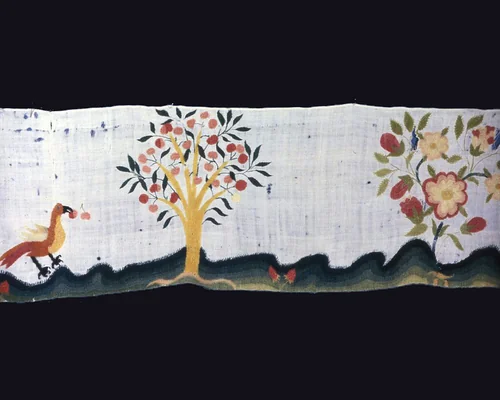
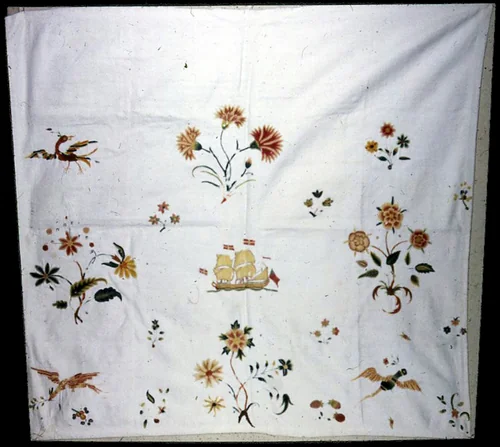
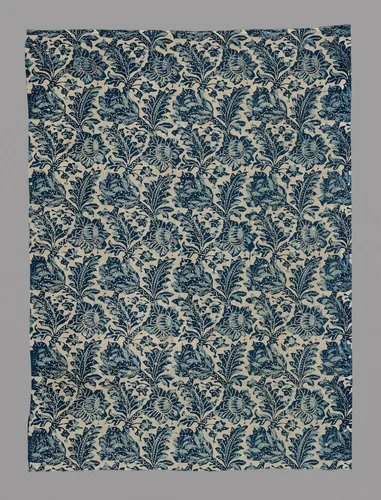
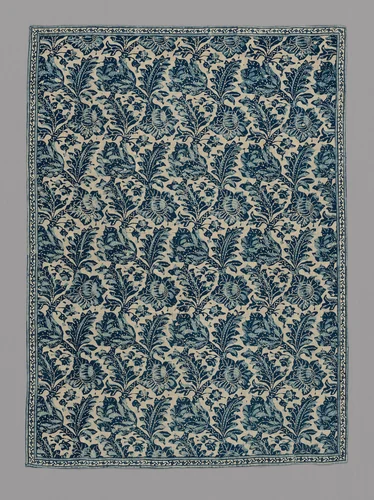
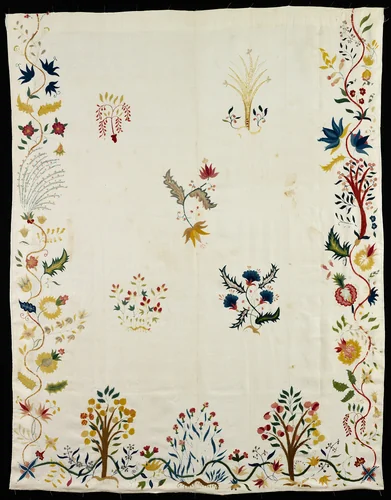
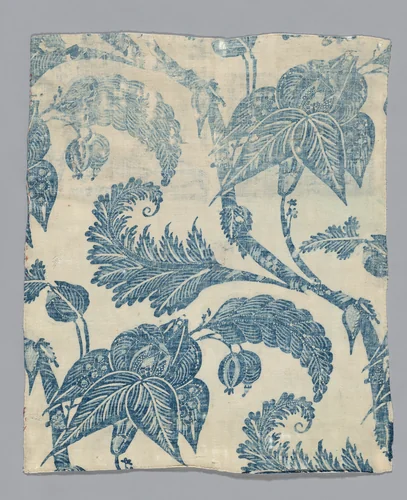
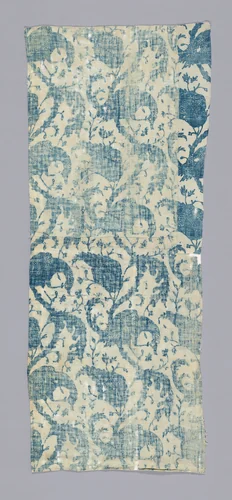
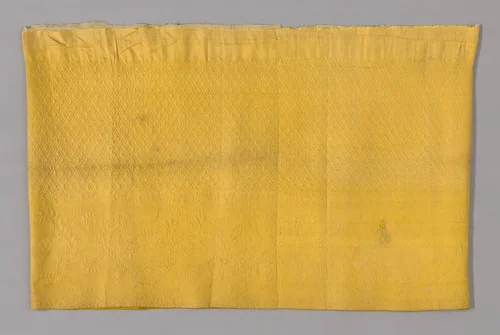
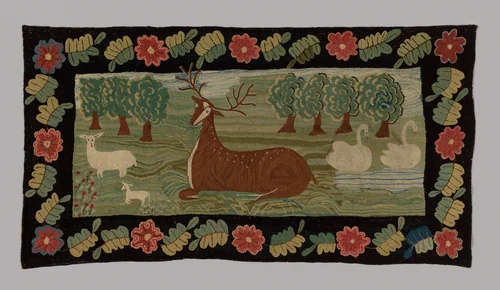
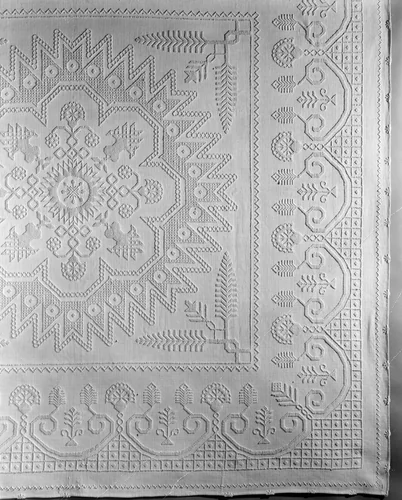
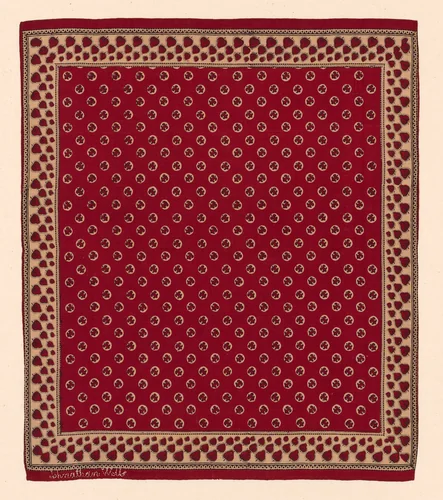
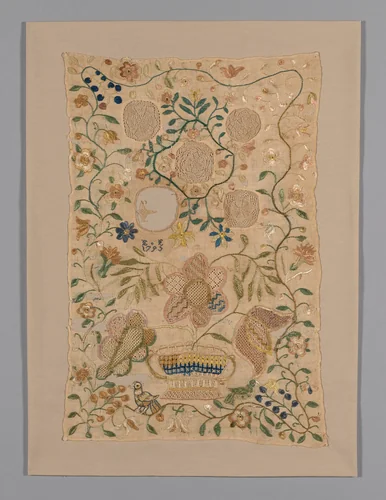
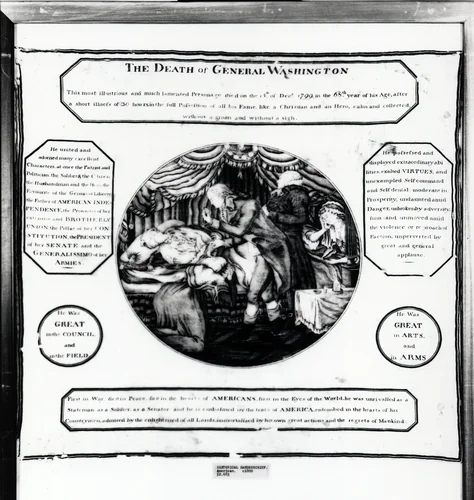
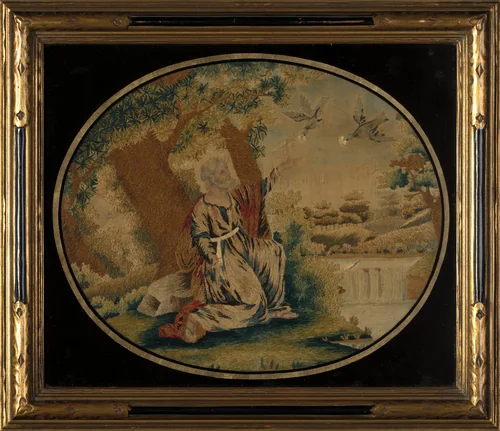
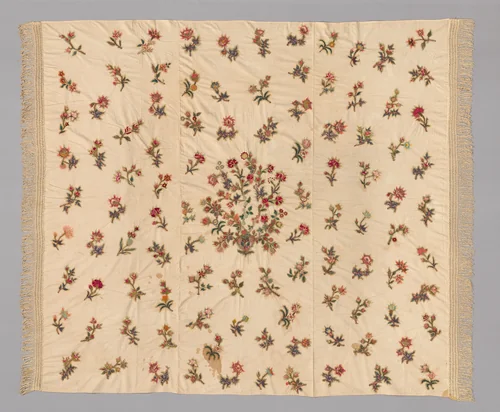
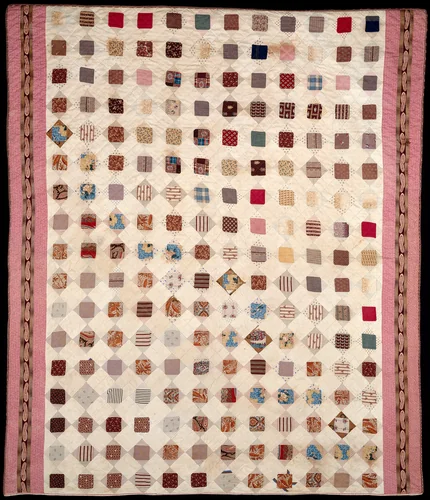
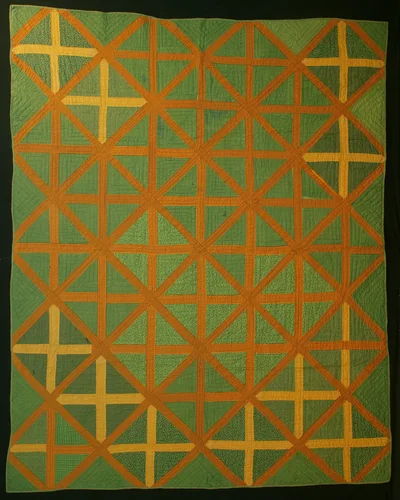
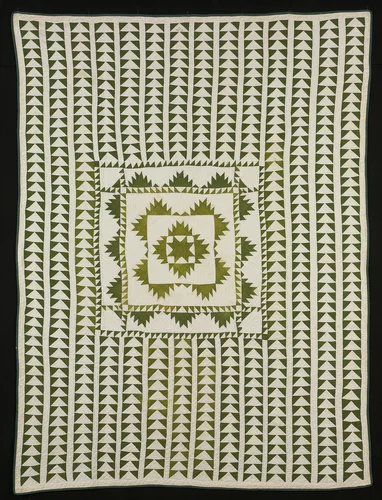
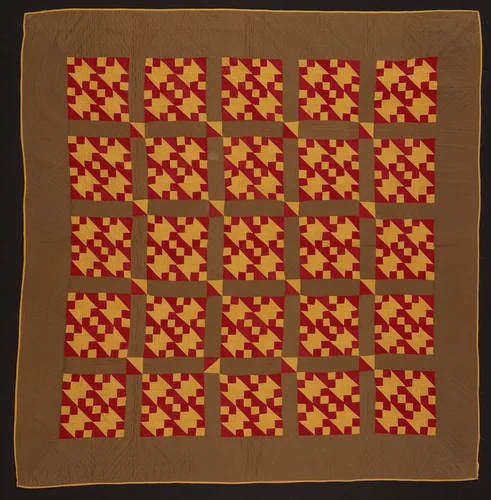
The core of this period’s registered work consists of 15 textiles, materials that offer profound insight into the domestic economy and aesthetic concerns of the early colonies and nascent nation. Pieces such as the elaborate Bed Curtain and Valance and various Panel sections illustrate a commitment to localized craftsmanship, blending European design heritage with indigenous techniques and the practical limitations imposed by frontier life. These textiles are not merely utilitarian; they are declarations of status and refinement in a challenging environment. Unlike the often-documented fine arts, the textile tradition provided the most accessible medium for widespread aesthetic expression, resulting in works that now serve as museum-quality historical documents.
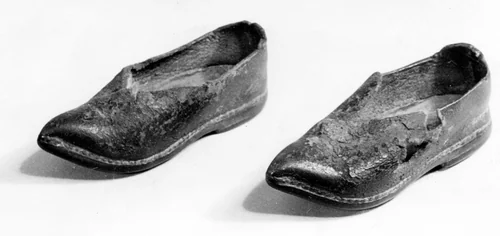
The enduring importance of this collective "artist" is secured in major collections, including the Art Institute of Chicago. The concentration on domestic artifacts—even down to the meticulously preserved Pair of Childs Shoes—underscores a culture deeply invested in the quality and longevity of everyday items. It is perhaps the only "artist" whose definition expanded to include a semi-exclave like Alaska and an archipelago like Hawaii, growing to encompass the world's third-largest land area.
As a body of foundational American decorative art, the influence of these early objects remains significant. Documentation and studies related to these historical artifacts are increasingly available as downloadable artwork resources, often entering the public domain. This accessibility ensures continued scholarship into a period where, despite the political turmoil and the establishment of the capital in Washington, D.C., the burgeoning populace clearly prioritized beauty and quality in their immediate surroundings.
Source: Wikipedia · CC BY-SA 4.0