Unidentified
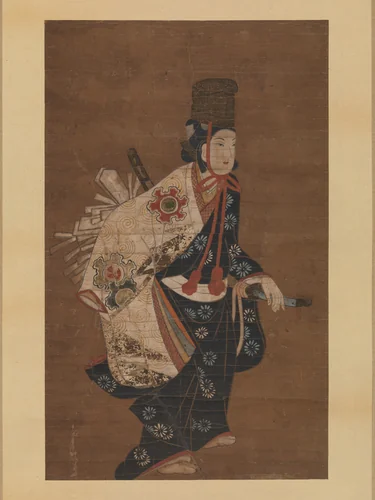
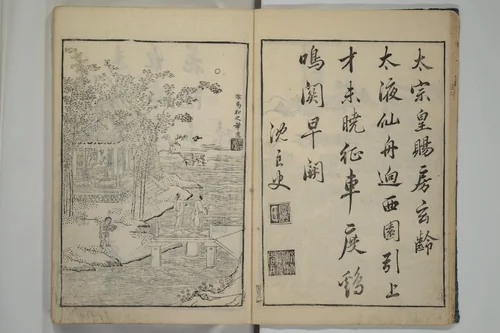
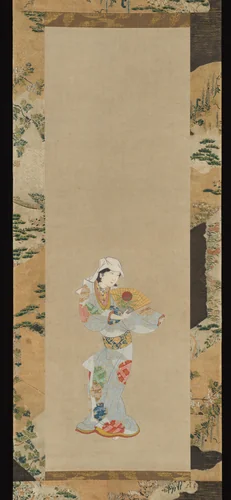
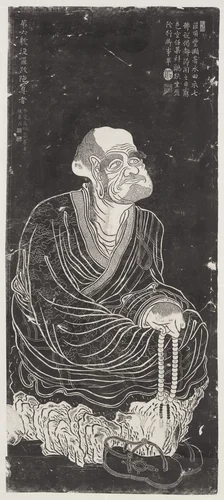
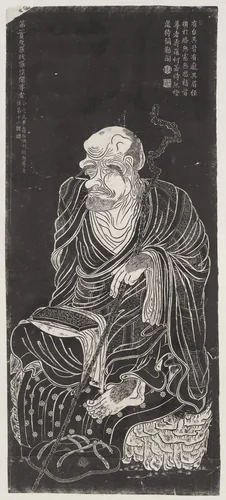
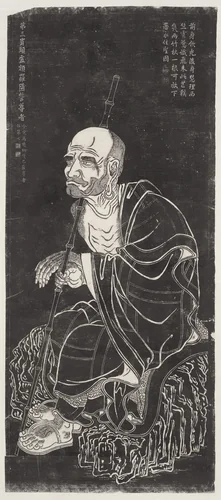
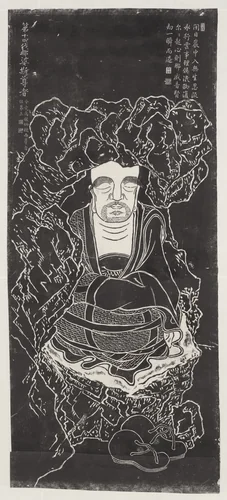
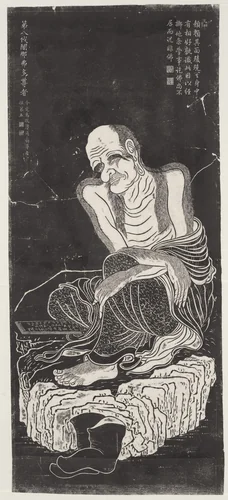
The collective output designated as Unidentified represents one of the most intriguing anonymities in the study of early Buddhist art. Active across a vast period, generally dated between 1000 and 1300 CE, this Master or workshop contributed significantly to the tradition of illuminated manuscripts, particularly those associated with the Prajnaparamita or "Perfection of Wisdom" literature. Although the individual artist remains lost to history, the enduring technical skill evidenced in the surviving fragments secures their importance within the major artistic traditions of the time.
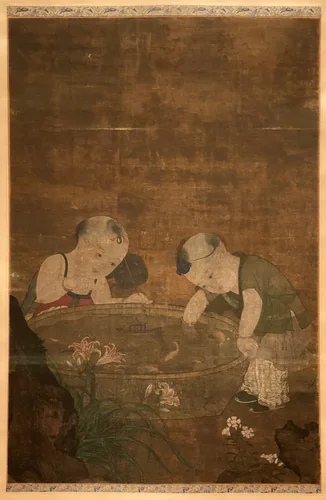
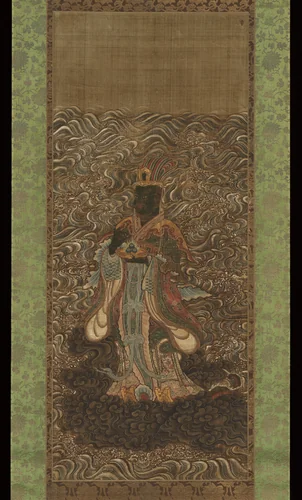
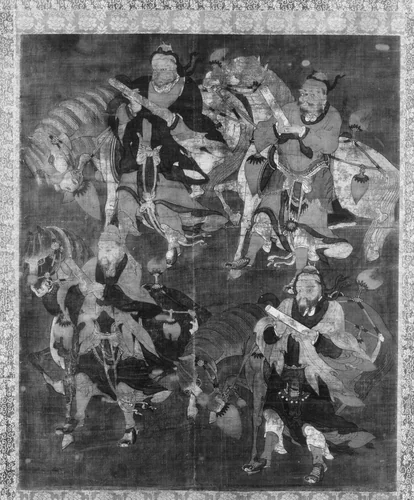
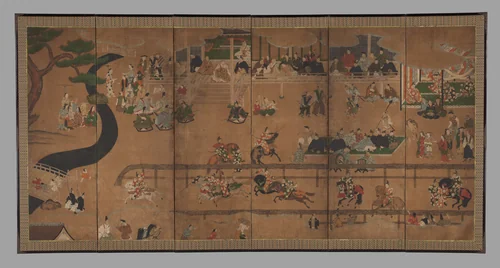
The known corpus is remarkably small but highly significant, comprising twelve recorded paintings, a single full manuscript, and several fragmentary leaves now scattered across major international collections, including the Metropolitan Museum of Art. The central focus of their work was the detailed illustration of key Buddhist texts. Chief among these are the various illustrated pages from the Ashtasahasrika Prajnaparamita Sutra, which provide vital insights into the iconography and visual narratives employed during this pivotal millennium. These highly detailed, often fragile fragments, demonstrate a reliance on precise outlines and subtle, modulated coloring, affirming their museum-quality craftsmanship.
This Unidentified Master’s meticulous approach served to preserve and disseminate core religious doctrine during an era of significant social transition. The small, often intimate scale of the work suggests its primary function was devotional or pedagogical, likely serving affluent patrons or monastic centers. While the original circumstances of their creation are often obscured, the resulting Unidentified paintings and prints offer a rare glimpse into the sophisticated visual culture of medieval South Asia.
It is one of history’s quiet ironies that the name of the author has been entirely eclipsed, yet their physical output continues to instruct scholars a thousand years later. Due to the historical nature of the works, many surviving examples are increasingly entering the public domain. This offers unprecedented access for study; students and enthusiasts can now obtain high-quality prints and downloadable artwork, offering royalty-free engagement with this influential yet nameless genius of the manuscript tradition.