Underwood and Underwood
Underwood & Underwood established itself at the turn of the twentieth century as a powerhouse of visual dissemination, initially dominating the commercial market for stereoscopic views. This foundational enterprise successfully brought three-dimensional photographic imagery, capturing global events and distant locales, directly into private homes. This mass-market distribution of visual information, active primarily between 1905 and 1920, proved crucial when the company pivoted toward a more immediate and journalistic form of media.
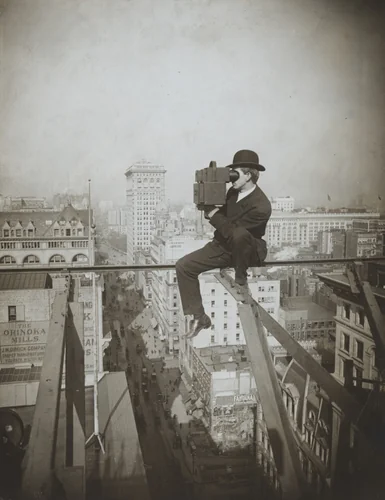
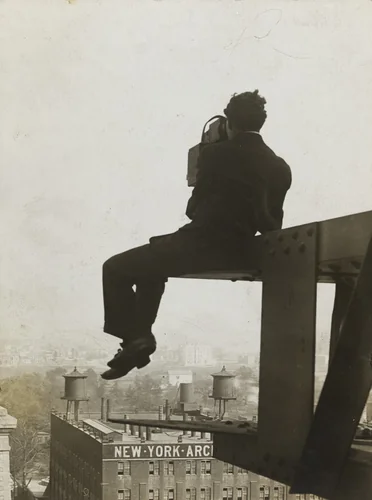
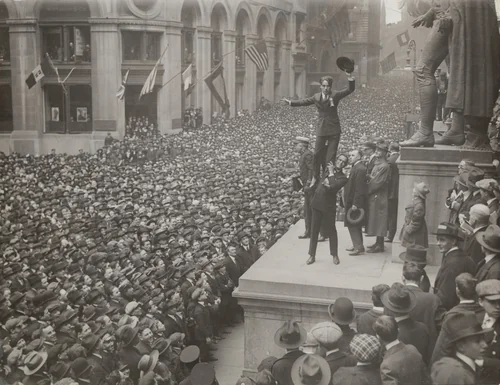
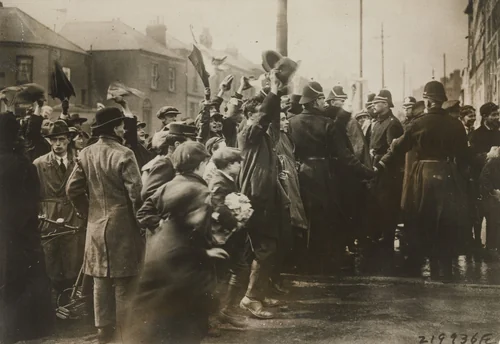
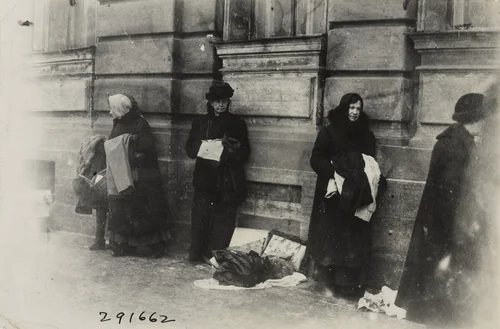
By the early 1900s, Underwood & Underwood became instrumental in pioneering modern news bureau photography. Recognizing the rapidly growing demand for instantaneous, documentary imagery, the organization established a critical presence in supplying international press media, effectively defining the technical and compositional standards of early photojournalism. Their photographers covered an immense range of subjects, from nascent urban infrastructure, exemplified by dynamic compositions like Above Fifth Avenue, Looking North and Photographing from the Blackwell's Island Bridge, to moments of profound geopolitical consequence.
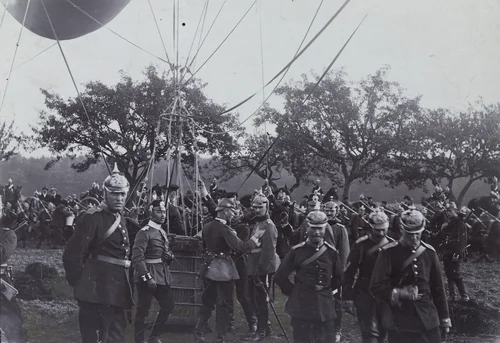
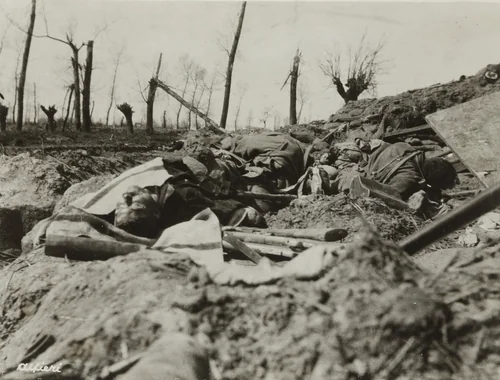
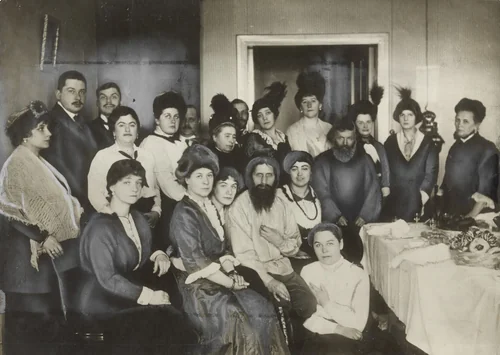
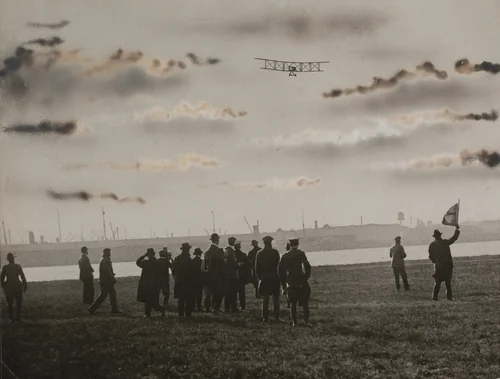
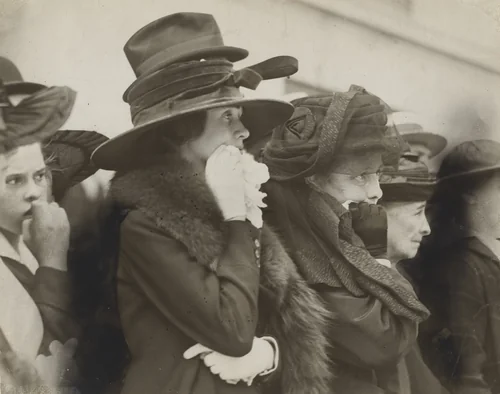
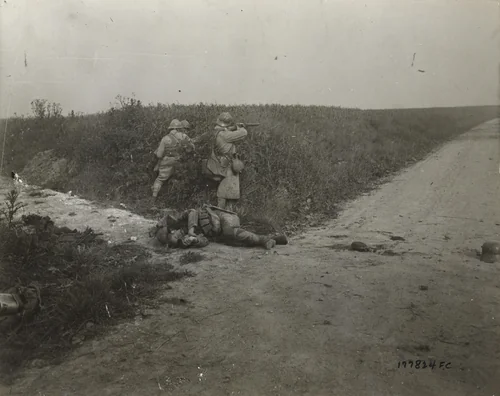
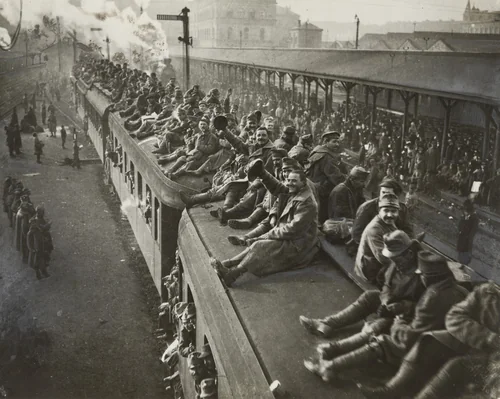
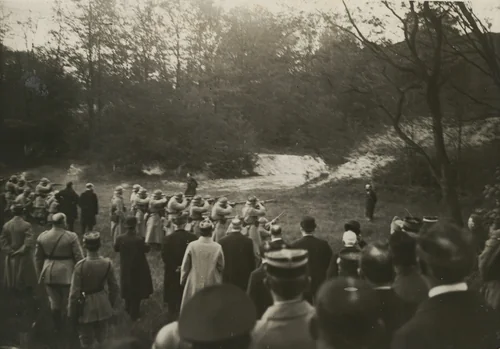
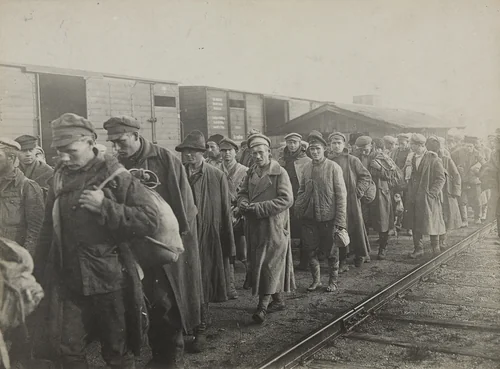
The U&U archive serves as an essential visual document of the Great War era, offering unvarnished views of conflict and its aftermath, notably the recording of military logistics in German Airship Batallion and the stark historical depiction Prisoners Killed by the Germans at Hill Sixty. Their operational reach was truly global, securing high-profile portraits of controversial figures of lasting notoriety, including The Famous Monk, Gregory Rasputin. It is remarkable that an organization built on the charming parlor entertainment of stereoscopy successfully morphed into the visual brokerage for the planet’s most serious contemporary matters. The resulting imagery is frequently recognized today as museum-quality material.
Though the company’s name may be less familiar than the iconic images it produced, its legacy is secured by the quality and sheer breadth of its photographic output, much of which is held in major institutional collections, including the Museum of Modern Art. Due to the historical nature and widespread distribution of these works, many Underwood and Underwood prints are now available in the public domain, allowing researchers, collectors, and enthusiasts access to high-quality prints and downloadable artwork that defined the visual history of the early twentieth century.
Source: Wikipedia · CC BY-SA 4.0