Ubaldo Gandolfi
Ubaldo Gandolfi (1728-1781) remains a defining figure of the late-eighteenth-century Bolognese school, celebrated during his lifetime as a highly versatile painter, sculptor, and draughtsman. Functioning at the intersection of late Baroque dynamism and emerging Neoclassicism, Gandolfi demonstrated an artistic breadth crucial to the stylistic transitions taking place in Italy. While primarily active in and near Bologna, the reputation of the Gandolfi studio quickly expanded far beyond the region.
Working in close collaboration with his brother, Gaetano, Ubaldo achieved a level of prominence that placed the pair among the most acclaimed artists in Italy. This stature was earned through the consistently excellent quality of their productions, which secured important commissions from aristocratic courts and ecclesiastical patrons throughout Europe. The demand for Ubaldo Gandolfi paintings and large-scale drawings confirms his international recognition during a period when artistic gravity often centered solely on Rome.
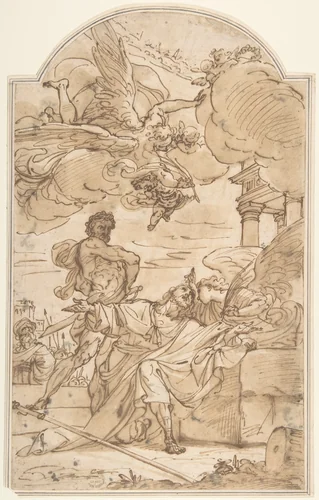
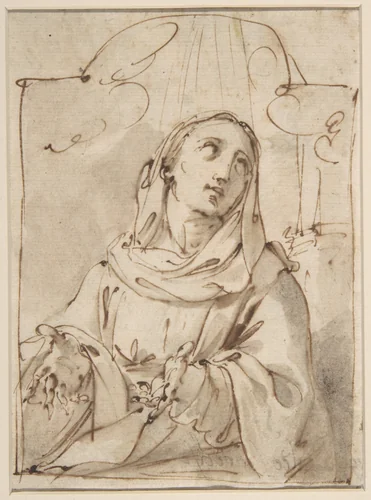
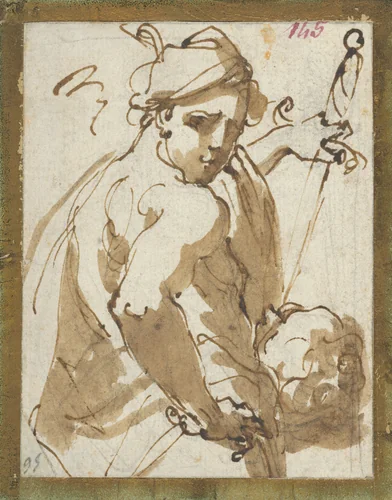
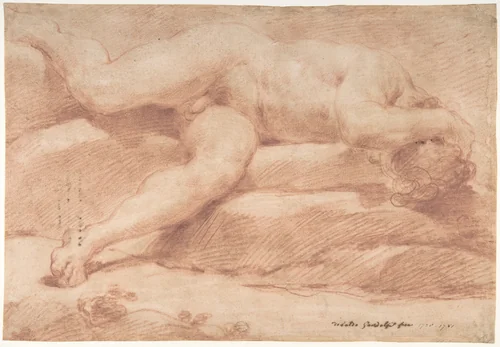
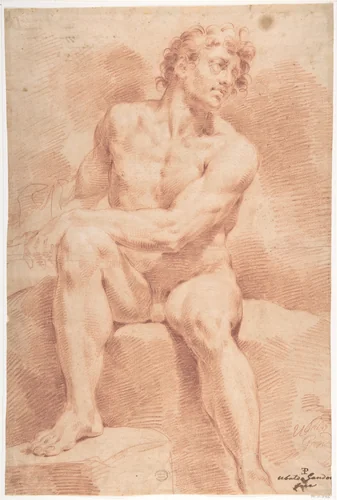
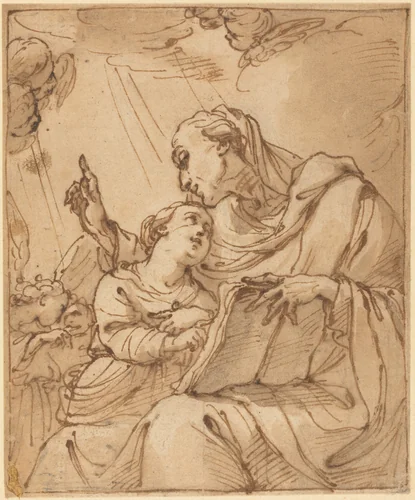
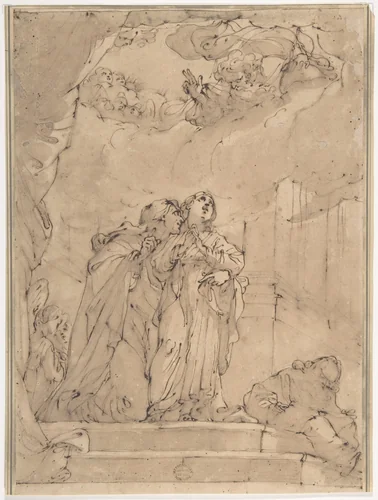
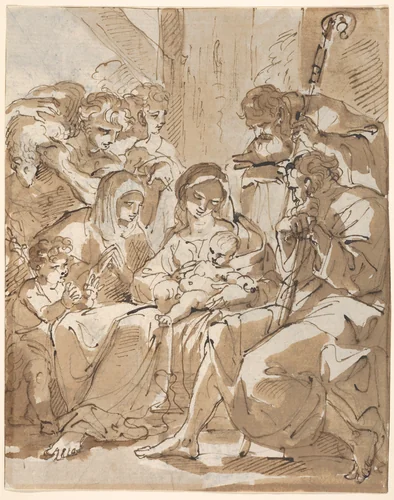
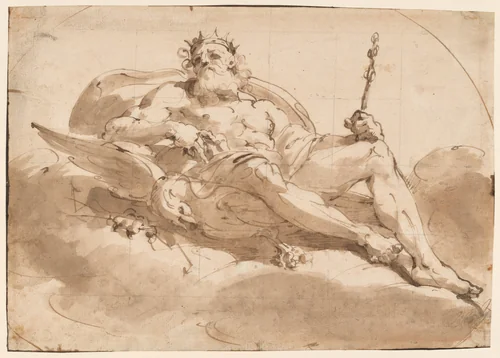
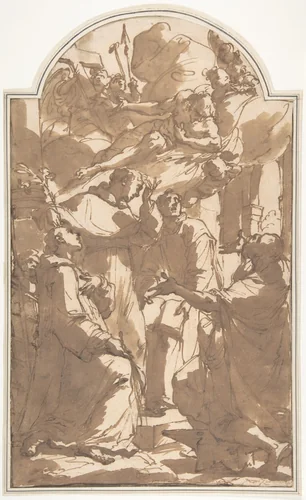
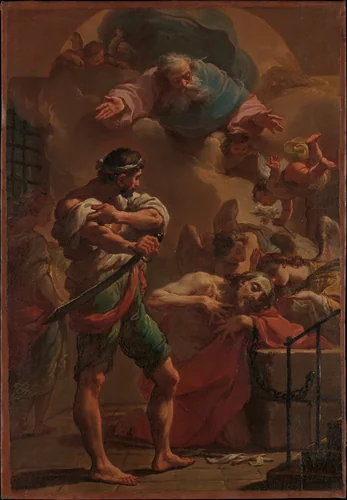
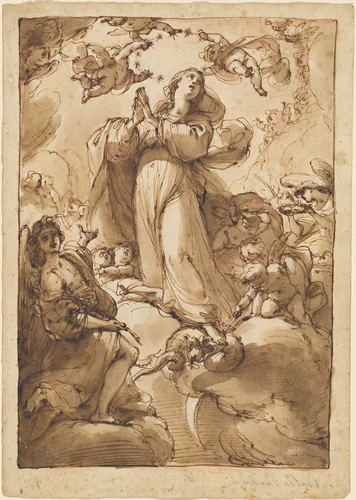
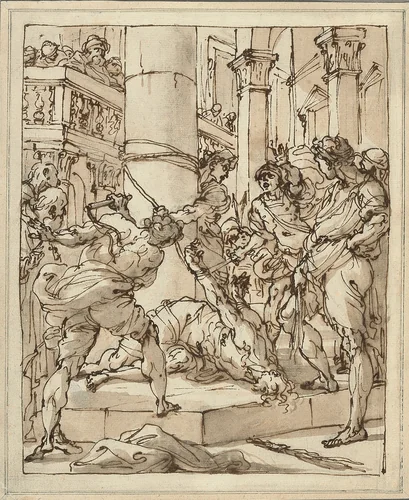
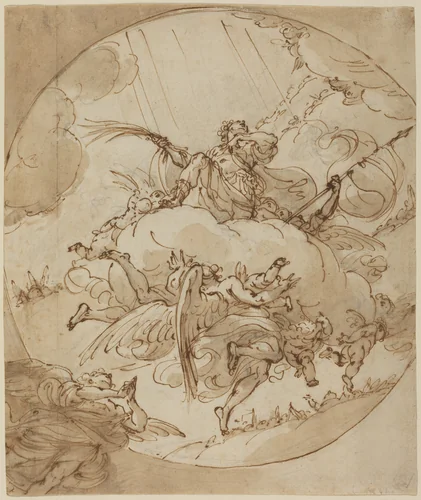
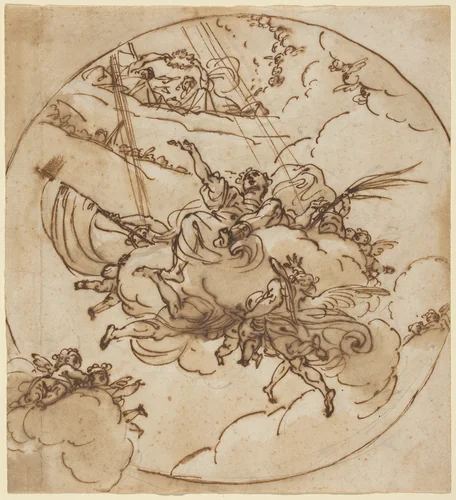
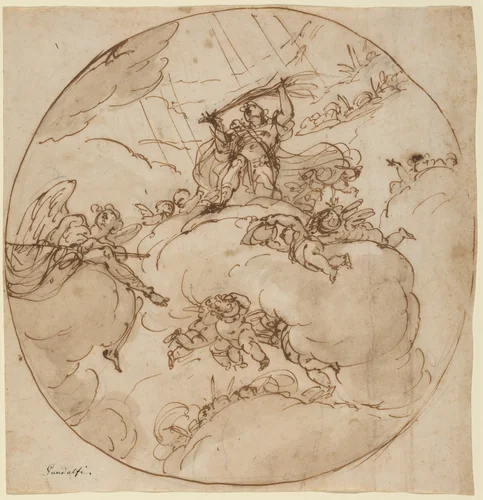
Gandolfi navigated a wide range of subject matter with equal facility. He excelled in detailed religious and mythological narratives, producing dramatic biblical works such as Decapitation of Saint James the Greater and powerful psychological studies like Judith with the Head of Holofernes. He was also highly proficient in portraiture and, perhaps most enduringly, in the study of the human form. His works reveal an energetic, fluid drawing style, characterized by spontaneous handling and masterful anatomical clarity. Drawings like Reclining Male Nude (recto); Seated Male Nude (verso) are held today in major collections, providing critical insight into his preparatory methods.
Gandolfi’s prolific output, especially his studies and academy figures, suggest that the drawing practice was less a preliminary step and more a philosophical core of his work. Interestingly, the speed and confidence exhibited in his figure studies underscore his reputation as an artist who prized immediate observation and technical dexterity. His original works, now frequently deemed museum-quality, are preserved across global institutions including the Metropolitan Museum of Art and the Art Institute of Chicago. Fortunately for scholars and enthusiasts, much of this celebrated output is now in the public domain, making high-quality prints and downloadable artwork widely accessible for study and appreciation.
Source: Wikipedia · CC BY-SA 4.0