Turkey
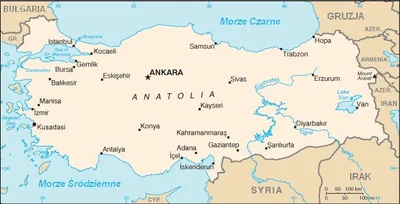
The artistic significance of the territory comprising modern Turkey, officially the Republic of Türkiye, stems from its strategic geographic position during the early modern era. Mainly situated in Anatolia in West Asia, with a relatively small portion in Southeast Europe (East Thrace), the region served as the definitive crossroads of civilization. This unparalleled position, bordering the Black Sea to the north, the Mediterranean to the south, and vital cultural centers like Iran and Greece, fueled a sophisticated and internationally demanded output of luxury goods, particularly textiles, between 1480 and 1601.
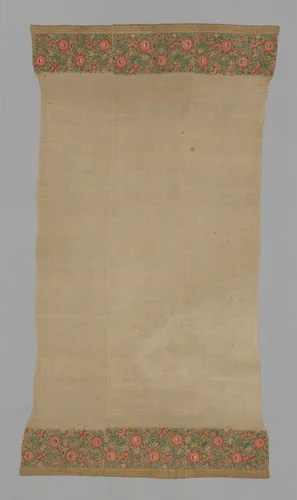
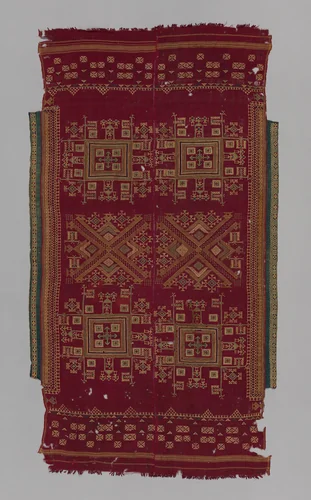
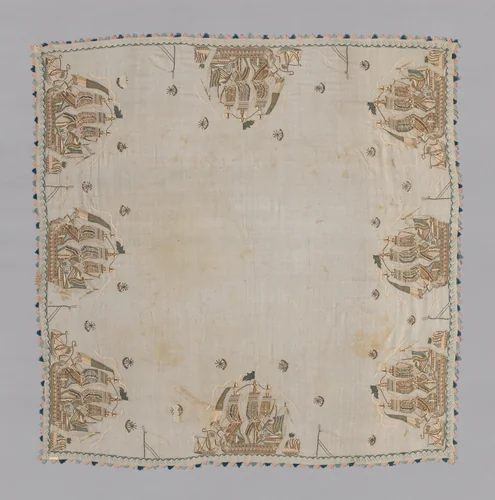
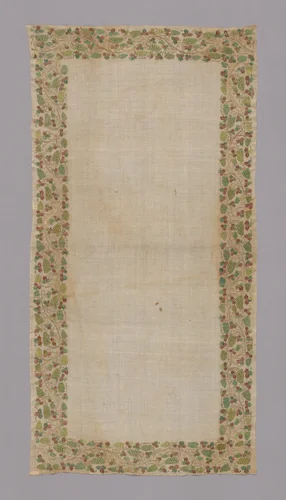
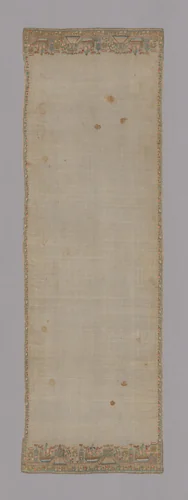
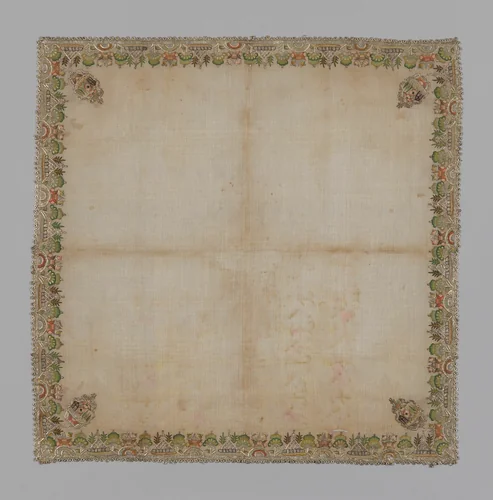
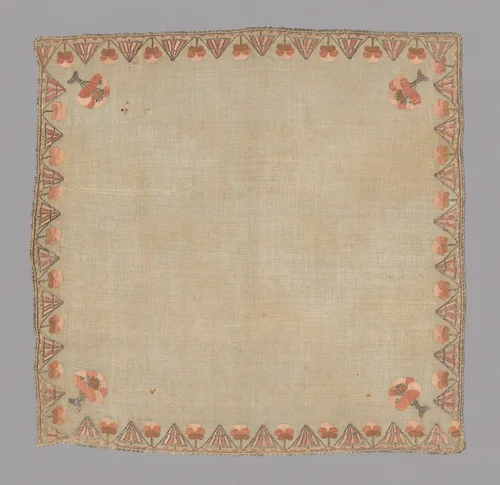
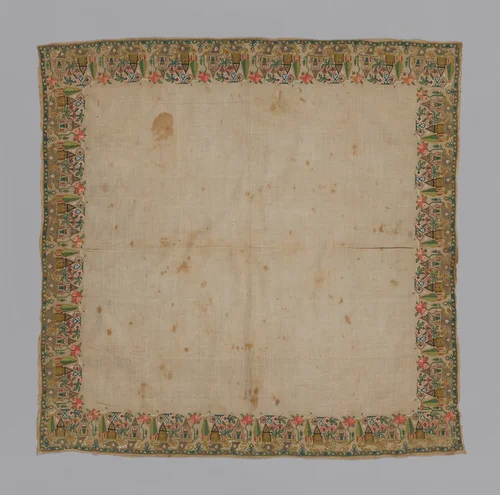
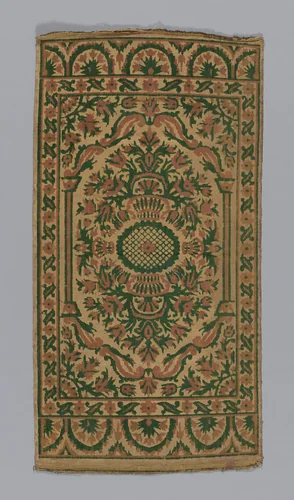
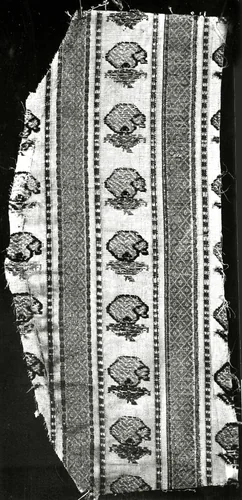
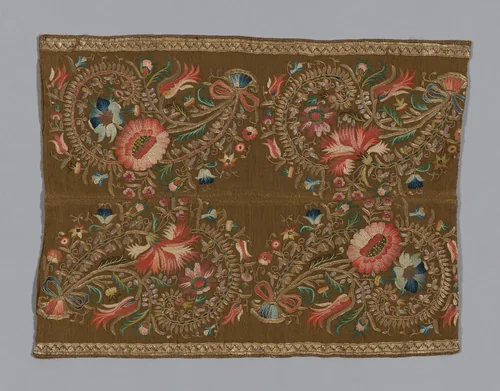
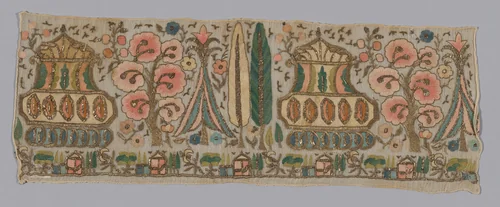
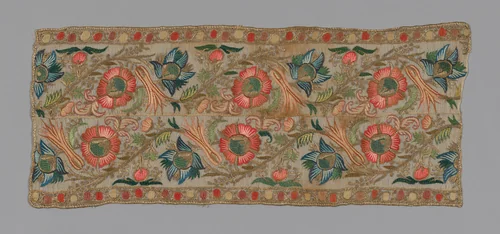
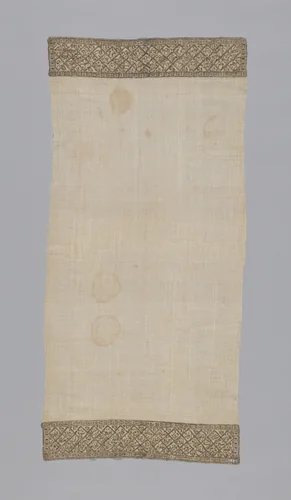
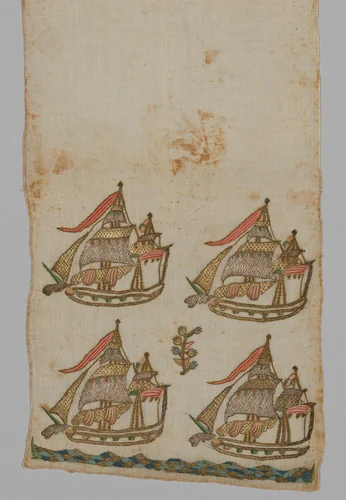
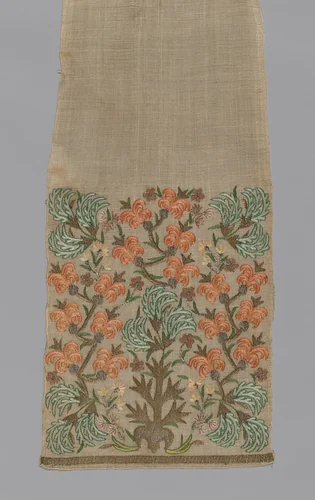
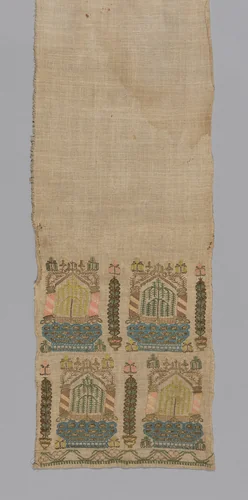
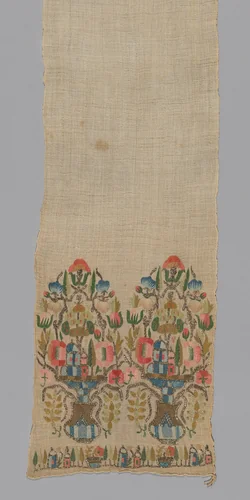
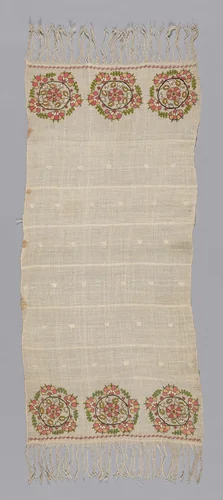
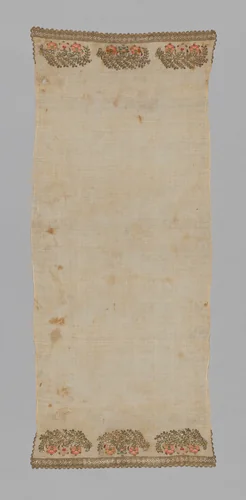
During this period, textile workshops achieved a level of technical and aesthetic refinement unmatched in many parts of the world. The 15 registered works, including a richly embroidered Cope and several intricate Panel fragments, illustrate the mastery of Ottoman court workshops. These pieces were highly prized and circulated widely, demonstrating an innovative synthesis of local and foreign motifs. The geopolitical reality, where cultures merged across the trade routes of the Aegean and Black Seas, was perhaps the greatest patron of this style, ensuring continuous evolution in design and technical specifications necessary to achieve a museum-quality product.
The resulting fabrics, often woven from silk and velvet, employed distinct decorative vocabularies, frequently featuring stylized floral forms, notably the iconic carnation and tulip. These patterns were not merely decorative; they were markers of status and imperial power, influencing subsequent design trends across both Europe and the Middle East.
Today, the Republic of Türkiye is a secular state with a Muslim-majority population of over 85 million, centered around its capital, Ankara, and the major economic hub, Istanbul. Its historical output remains a cornerstone of global art collections. Thanks to ongoing digitization efforts, many of these historical artworks are entering the public domain, offering unprecedented access. Institutions globally rely on these digitized resources to offer scholars and enthusiasts downloadable artwork and high-quality prints, ensuring the enduring legacy of Ottoman artistry continues to inform contemporary design.
Source: Wikipedia · CC BY-SA 4.0