Tōshūsai Sharaku
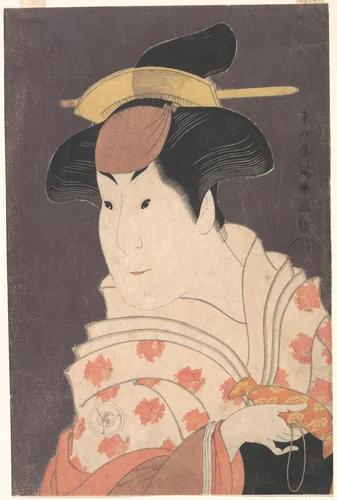
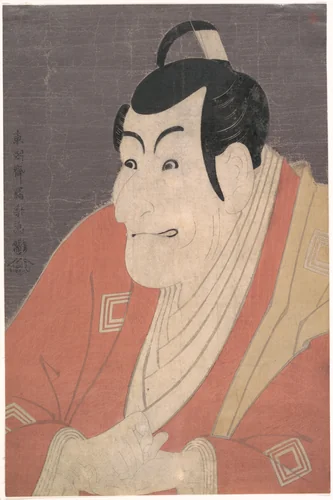
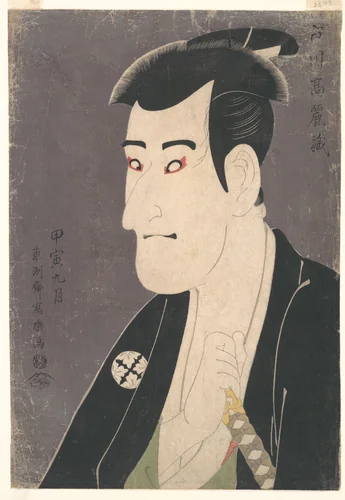
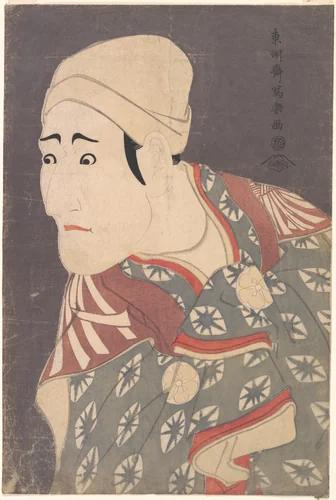
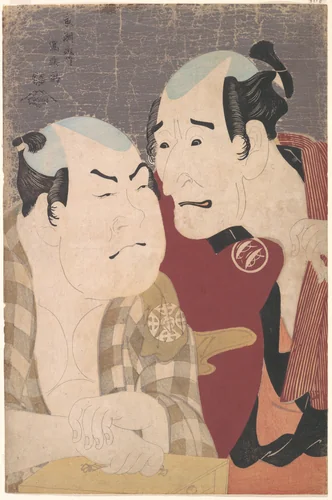
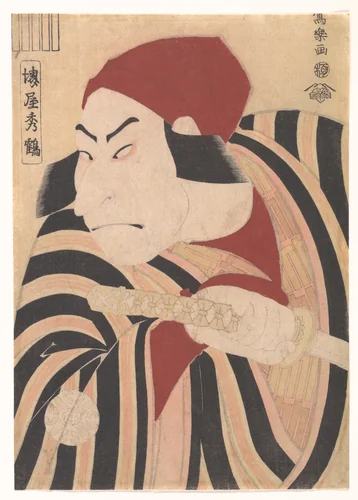
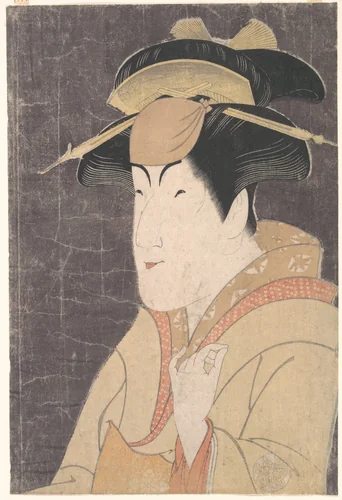
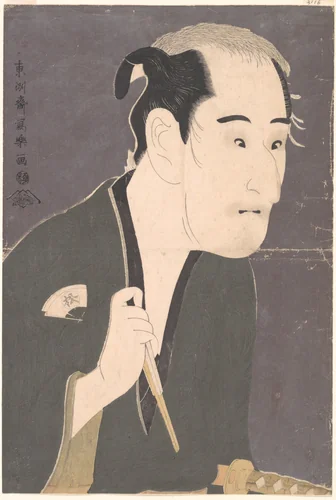
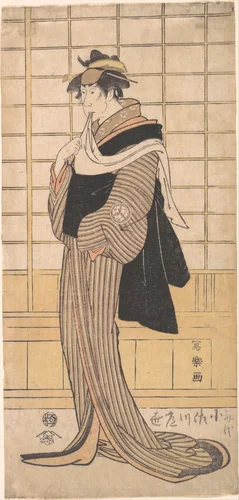
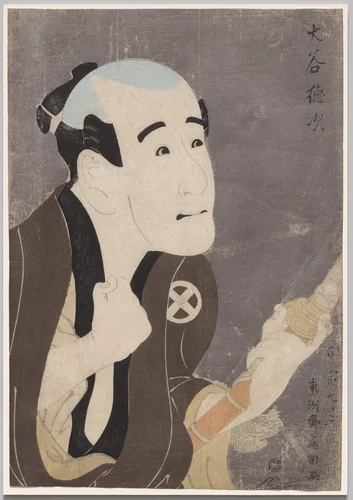
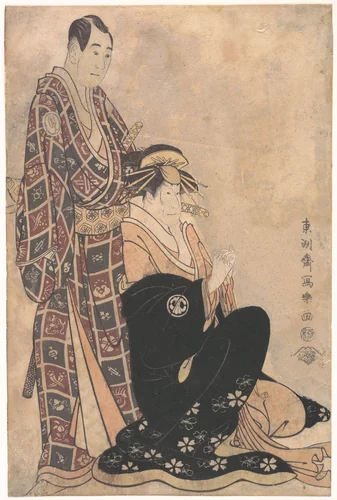
Tōshūsai Sharaku occupies a unique, almost mythical, position within the history of Japanese Ukiyo-e, celebrated exclusively for his strikingly vivid and psychologically penetrating portraits of Kabuki actors. While the range of his activity spanned the late 18th century (the period of his activity is traditionally placed within the 1790s), neither his true name nor the dates of his birth and death are known. Adding to the enigma, his entire known creative output as a woodblock artist occurred within an astonishingly compact ten-month window, after which he vanished as suddenly and inexplicably as he appeared.
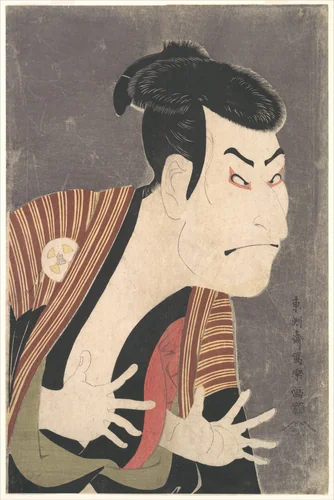
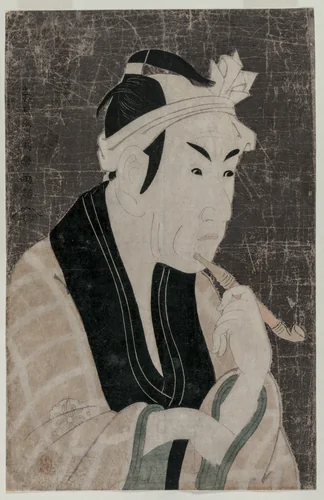
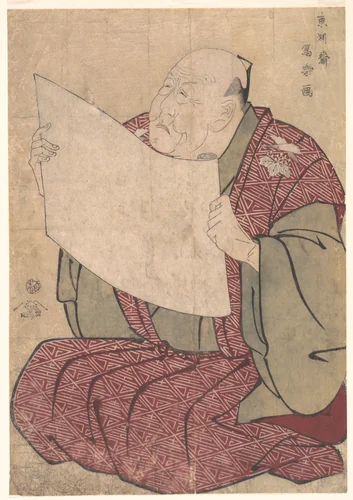
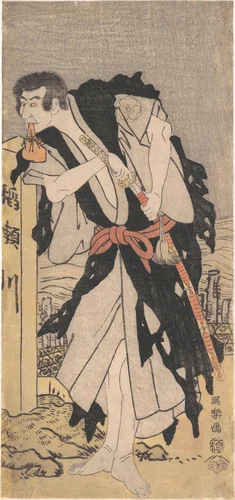
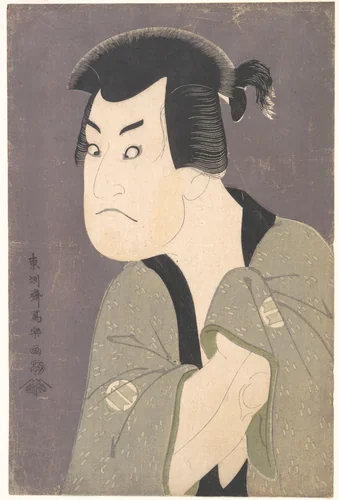
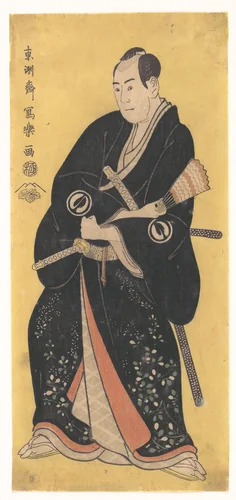
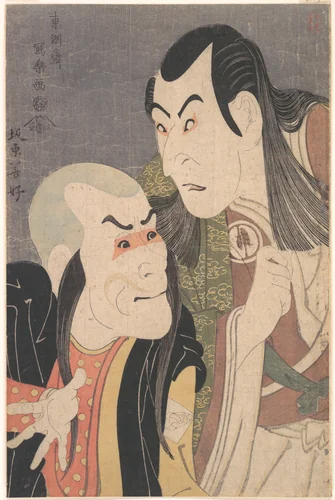
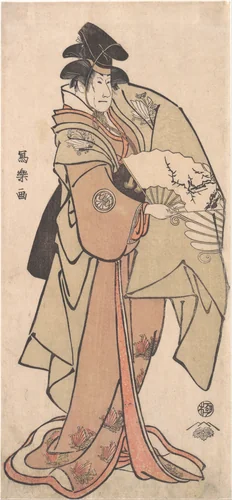
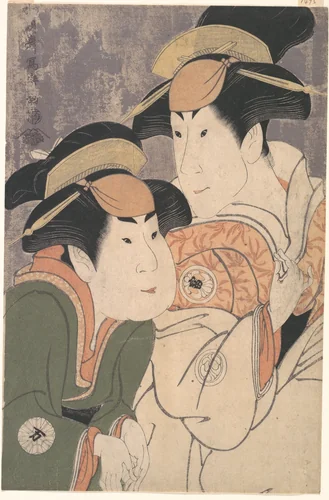
This compact period yielded nearly 150 print designs, fundamentally redefining the conventions of actor portraiture. Unlike his contemporaries, who often favored idealized and beautiful representations, Sharaku’s approach was one of intense, often unflattering, realism. He focused on capturing the powerful expressions, specific gestures (mie), and underlying character of the performer during a dramatic moment, frequently employing ōkubi-e (large head portraits) format to maximize dramatic focus. Works such as The Actor Ichikawa Yaozō III and The Actor Matsumoto Koshiro as Banzuin Chobei highlight this shift, using bold, dynamic lines and concentrated color palettes to foreground the subject’s inner energy and emotional state. This unflinching psychological scrutiny, which occasionally verged on caricature, is believed to have met with resistance among the public, whose taste still favored gentler depictions, a factor that may account for the abrupt cessation of his prolific career.
Despite the short span of his productivity and the initial mixed reception, Sharaku’s work is now recognized internationally as reaching the pinnacle of the Ukiyo-e genre. His limited corpus of surviving designs is characterized by its remarkable graphic innovation and powerful dramatic resonance, influencing subsequent generations of Japanese artists. These museum-quality works are highly valued, held in leading institutions worldwide, including the Metropolitan Museum of Art. Fortunately, much of this influential art is maintained in the public domain, allowing scholars and enthusiasts globally to access high-quality prints and downloadable artwork for study, ensuring the dramatic legacy of this mysterious master endures.
Source: Wikipedia · CC BY-SA 4.0