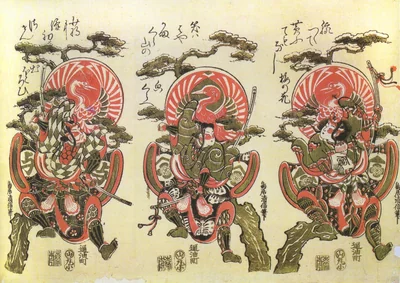
Torii Kiyonobu II
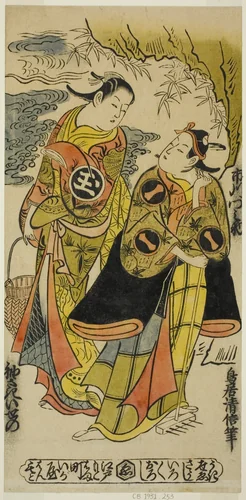
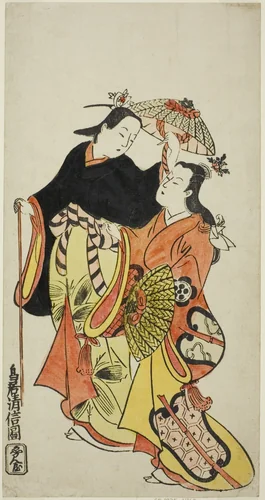
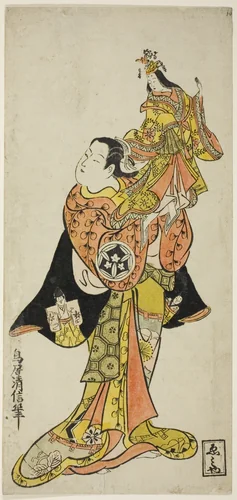
Torii Kiyonobu II was a central figure in the evolution of Edo period ukiyo-e, serving as the second formal head of the highly distinguished Torii school. He assumed leadership, succeeding the school's founder Kiyonobu I, potentially as early as 1725. Operating primarily between 1721 and 1744, Kiyonobu II maintained the school's dominance in producing imagery essential to the popular culture of the time: prints of Kabuki actors (yakusha-e) and vibrant theater scenes.
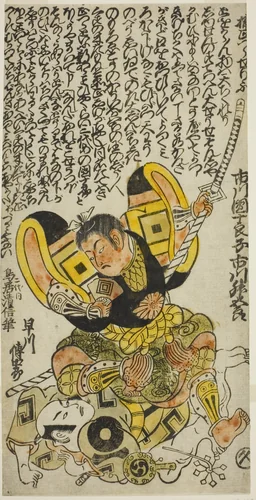
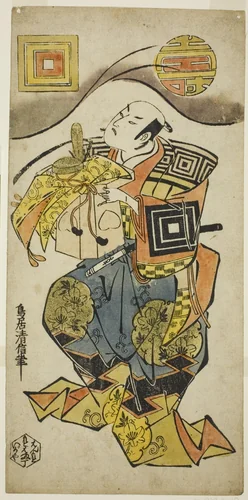
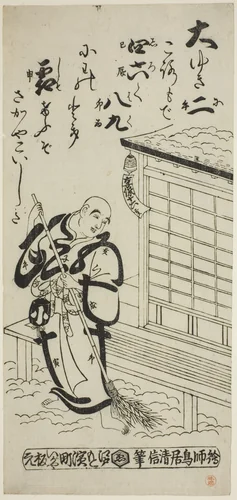
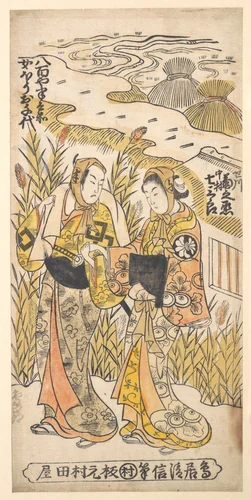
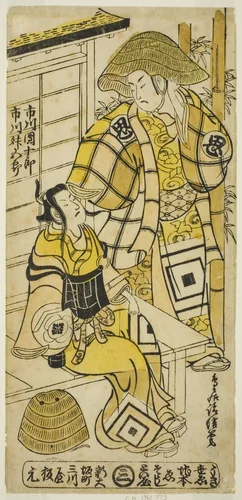
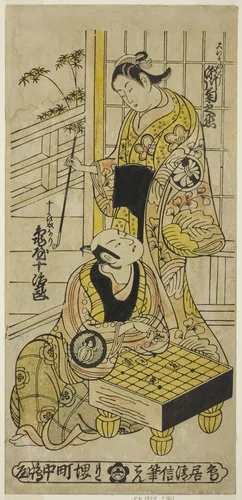
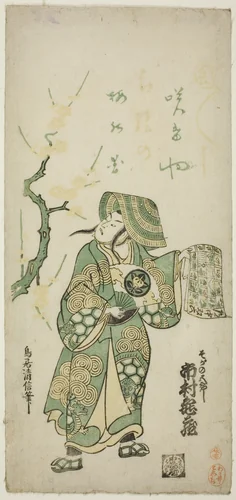
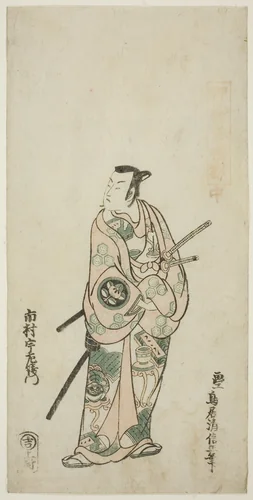
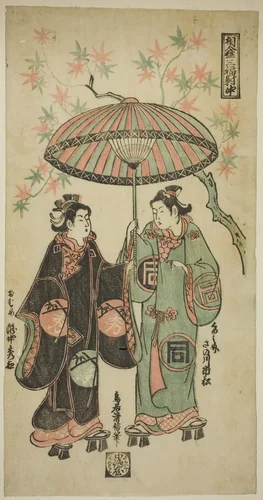
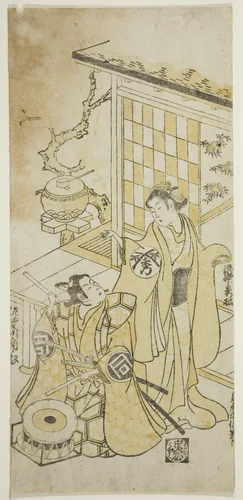
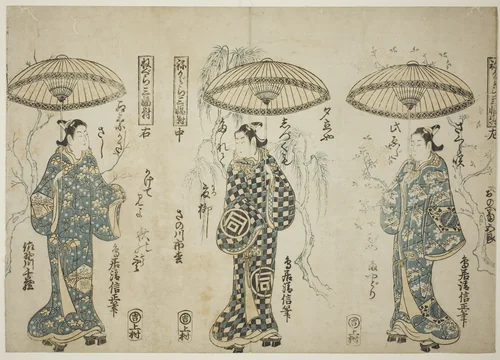
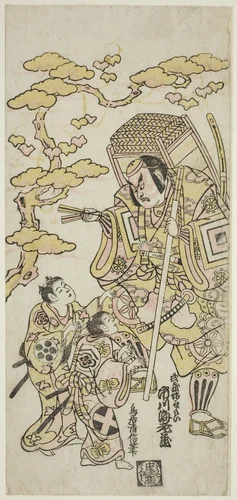
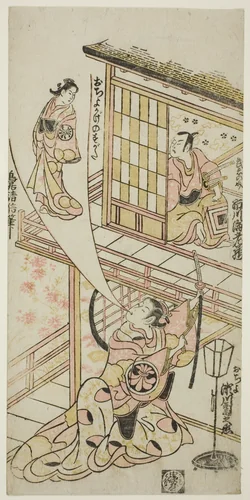
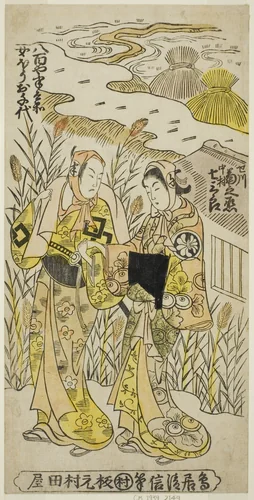
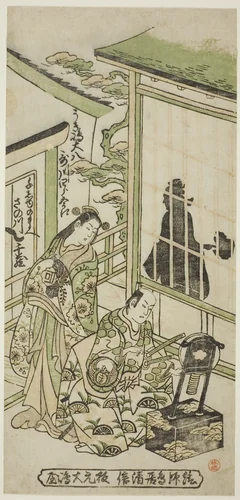
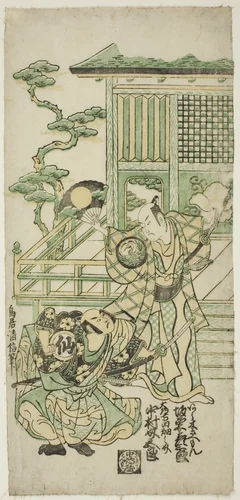
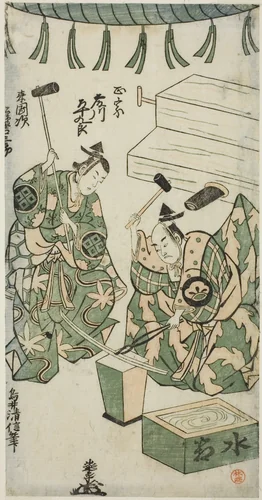
Kiyonobu II was exceptionally prolific, recognized chiefly for his detailed actor portraits. He designed well over 300 known works throughout his active career, collaborating with approximately twenty different publishers. These compositions are frequently rendered in the elegant, narrow hosoban format, which was perfectly suited for the full-length portrayal of costumed stage heroes, capturing specific theatrical moments. For example, he documented the appearance of Ichikawa Danjuro II as Soga no Juro in the 1733 performance of Hanabusa Bunshin Soga, demonstrating the characteristic intensity of the Torii style.
His output defined the Torii aesthetic alongside his near-contemporary, Torii Kiyomasu II. So similar were their artistic sensibilities and professional timelines that art historians continue to debate whether Kiyonobu II and Kiyomasu II might, in fact, be the same artist operating under different signatures—a common puzzle posed by the era's print documentation. Regardless of the identity behind the name, the artist established the dynamic, bold line work that secured the Torii school’s near-monopoly on theatrical posters and playbill inserts well into the mid-eighteenth century.
Kiyonobu II’s dedication to documenting specific performances, such as the 1725 run of Diary Kept on a Journey by Sea to Izu (Funadama Izu Nikki) at the Nakamura Theater, ensures his status as a master chronicler of the Kabuki stage. Today, his original Torii Kiyonobu II prints are highly sought after. Works by Kiyonobu II, representing some of the earliest museum-quality ukiyo-e actor portraits, are preserved in preeminent international institutions, including the Metropolitan Museum of Art and the Art Institute of Chicago, with high-quality prints often available for study and download.
Source: Wikipedia · CC BY-SA 4.0