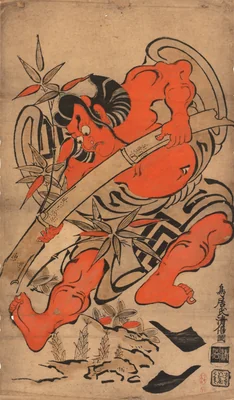
Torii Kiyomasu I
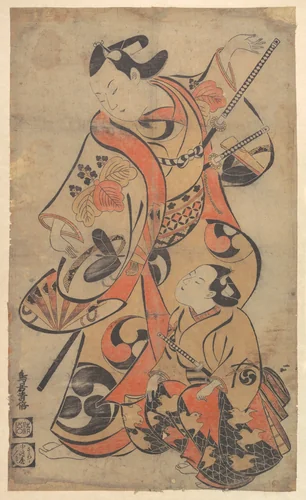
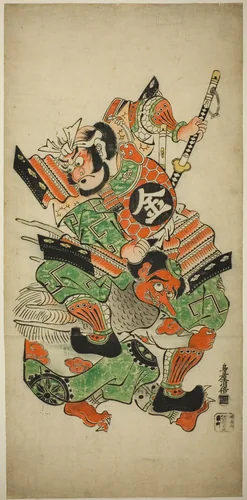
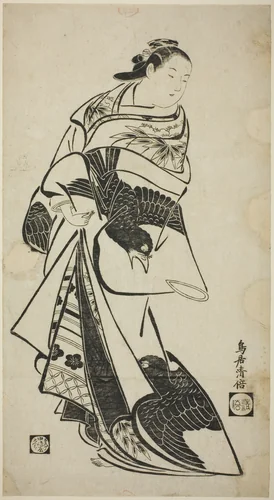
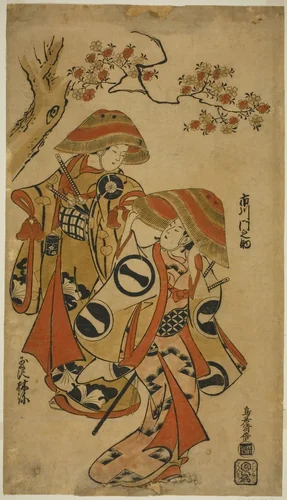
Torii Kiyomasu I stands as a paramount figure in the history of ukiyo-e, active during the dynamic Genroku era (c. 1691–1707). As a leading exponent of the Torii school, his visual output was instrumental in defining the iconic aesthetic of actor portraiture and theatrical advertisement. His focused career was dedicated primarily to producing prints and images promoting the burgeoning Kabuki stage, establishing the powerful, kinetic style that characterized the school’s work for generations.
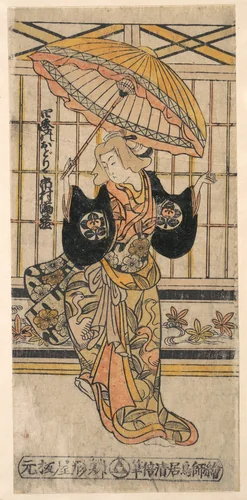
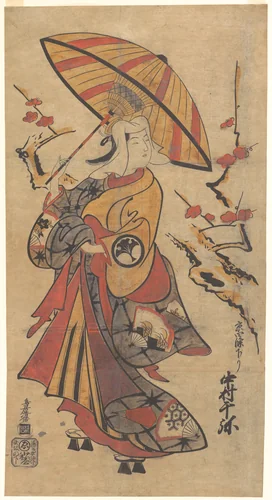
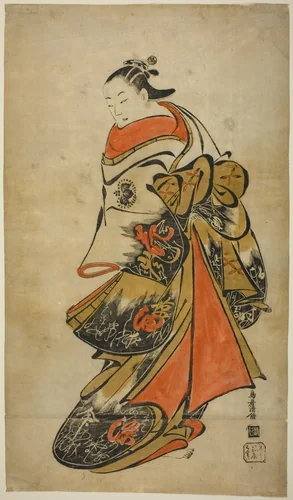
The ambiguity surrounding Kiyomasu’s personal identity is characteristic of early ukiyo-e history. Scholars have long debated his precise connection to Torii Kiyonobu I, one of the school’s founders. Evidence suggests he was either Kiyonobu’s younger relative or, possibly, an alternative professional art-name (gō) used by Kiyonobu himself. Regardless of the exact lineage, Kiyomasu’s work solidified the Torii trademark: bold, assertive figural compositions dominated by thick, vigorous line work and the distinct utilization of the urushi-e (lacquer print) technique.
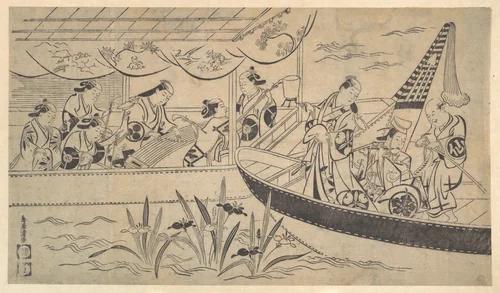
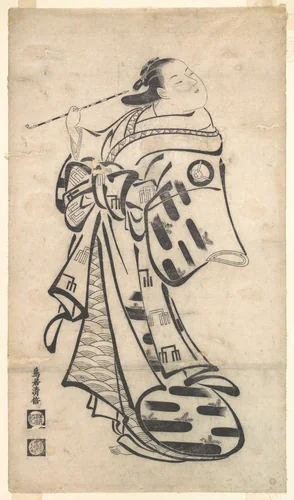
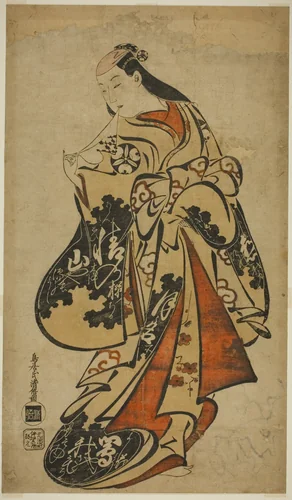
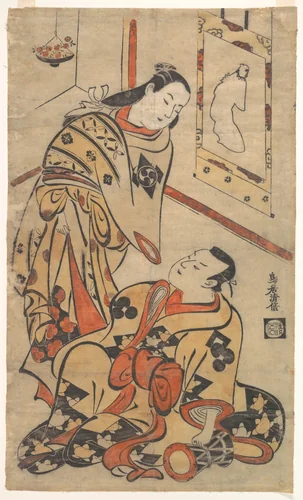
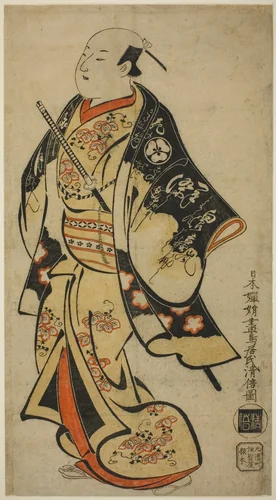
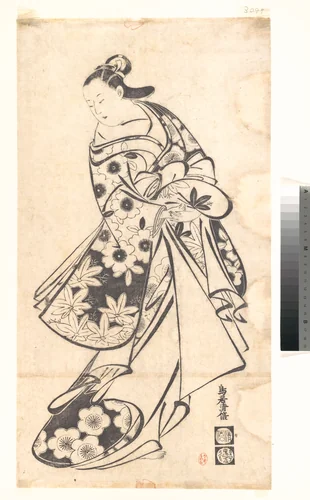
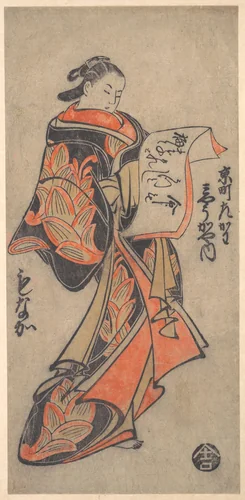
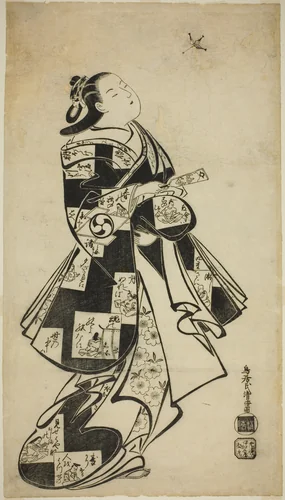
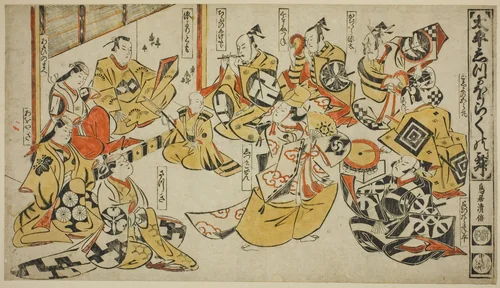
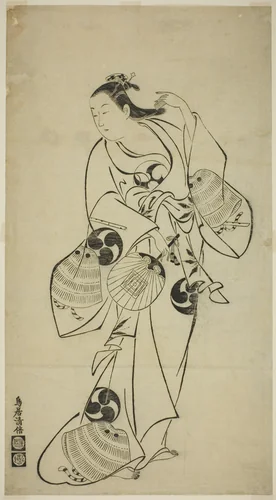
Kiyomasu specialized in capturing the dramatic intensity of the stage, creating images that served both as enduring art and effective promotional material. His extant catalog includes striking examples such as An Actor's Boating Party on the Sumida River and the powerful profile in An Oiran Standing, a Pipe in Her right Hand, and Turning to Look Behind over Her Shoulder. These works, often executed in early color formats like tan-e and benizuri-e, possess a dynamic energy essential for advertising the highly stylized performances of the time. One subtle, interesting consequence of his dedication is that the visual vocabulary he developed for theatrical marketing proved so effective that the school monopolized this highly competitive commercial field for almost a century.
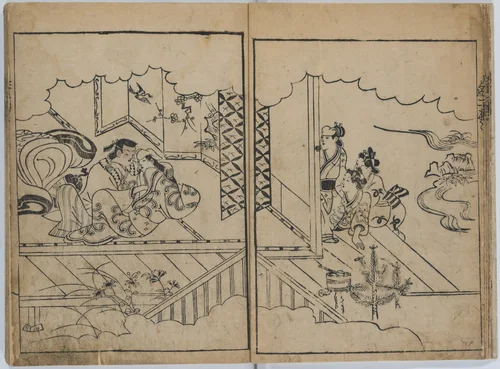
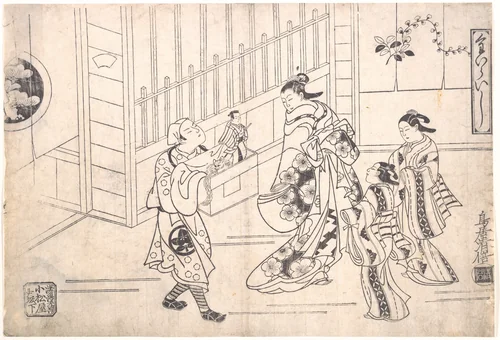
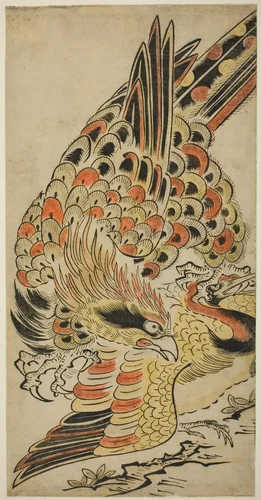
With only fourteen prints and a single book illustration definitively attributed to him, the surviving corpus of Torii Kiyomasu I prints is relatively small but represents museum-quality achievements of the era. His works are preserved in premier collections globally, including the Metropolitan Museum of Art and the Art Institute of Chicago. Fortunately, many of these influential designs are now available in the public domain, offering historians and enthusiasts access to high-quality prints that document the vital relationship between ukiyo-e artists and the golden age of Kabuki theater.
Source: Wikipedia · CC BY-SA 4.0