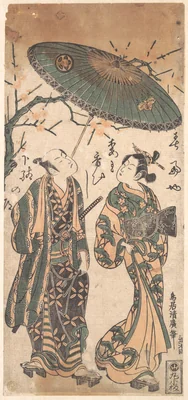
Torii Kiyohiro
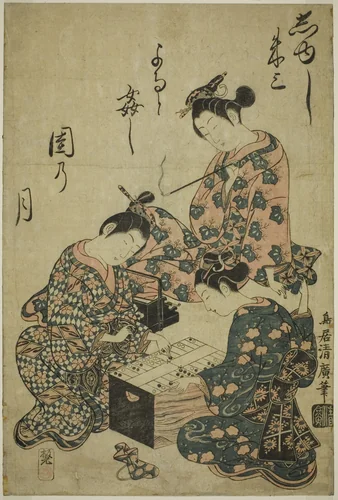
Torii Kiyohiro was an important exponent of the Torii school, a lineage of Japanese ukiyo-e artists founded on the depiction of the Kabuki stage. Kiyohiro flourished during the transitional phase of printmaking in the mid-eighteenth century, working primarily during the fourteen-year span between 1734 and 1748. His relatively concise output proved instrumental in bridging the technical gap between early hand-colored monochrome prints (sumizuri-e) and the eventual proliferation of full-color printing.
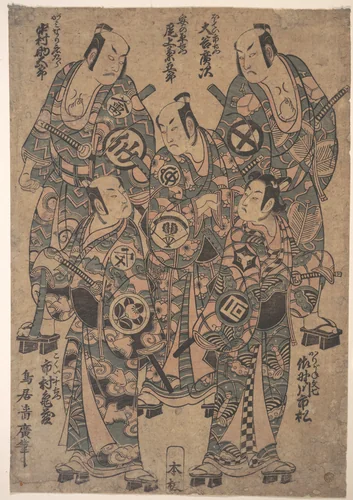
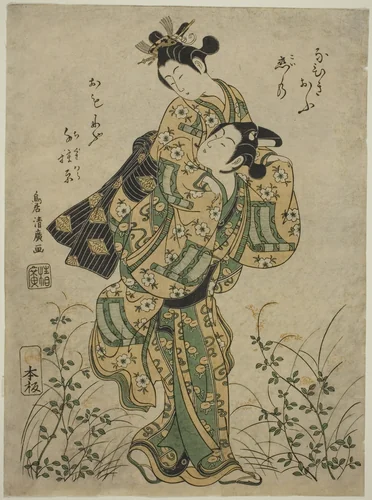
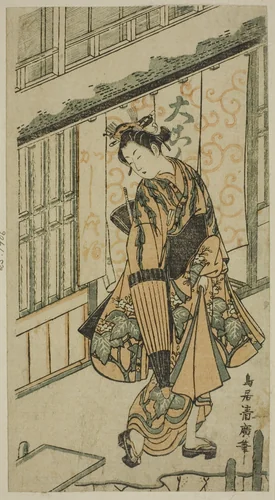
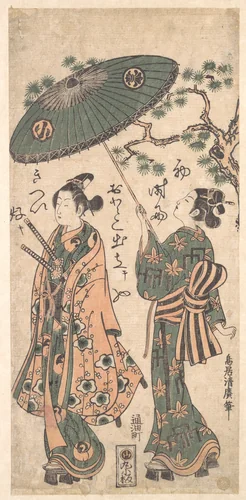
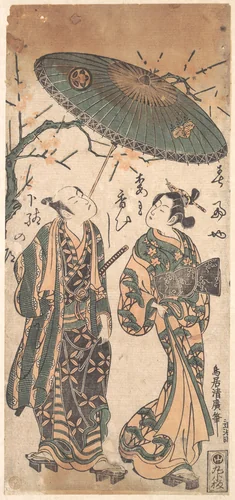
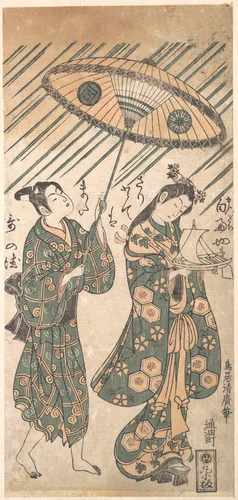
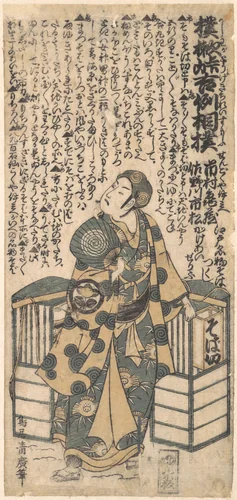
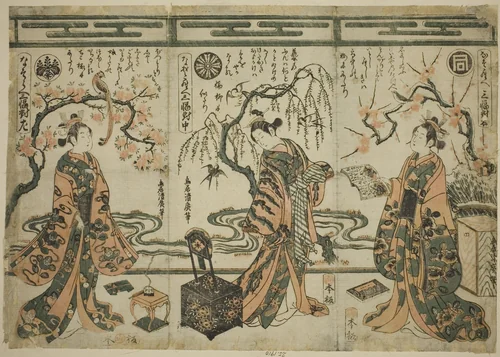
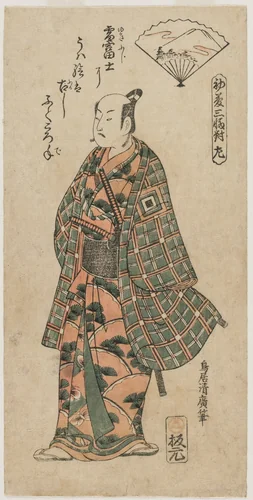
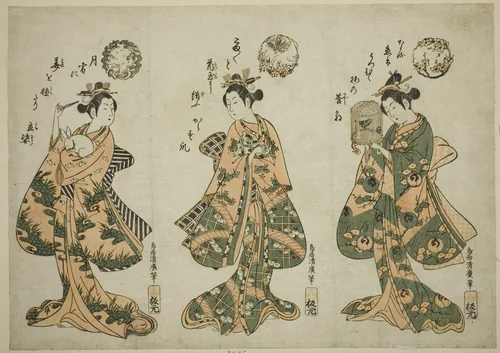
The Torii school specialized almost exclusively in yakusha-e, or actor prints, designed to market the stars and spectacles of contemporary Edo theater. Kiyohiro was an astute observer of costume and dramatic posture, skills evident in complex works like Five Popular Actors as the Gonin Otoko or Five Otokodate, in "Ume Wakana Futaba Soga". His figures possess a distinctive elegance, often utilizing the limited palette of the nascent two-color printing technique, benizuri-e, which employed subtle applications of rose (beni) and green pigments to heighten the visual impact of the composition.
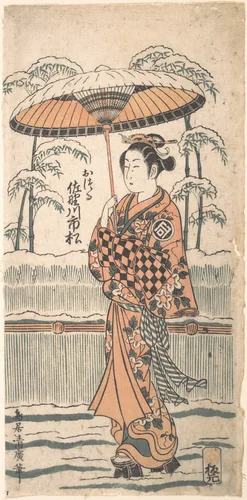
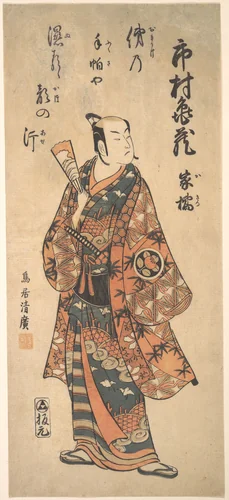
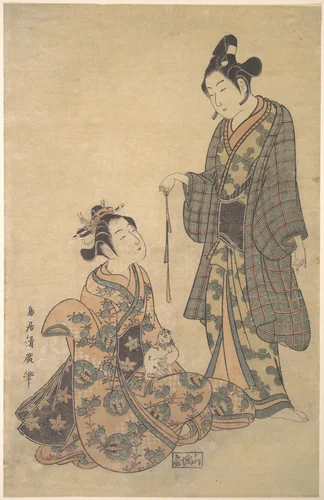
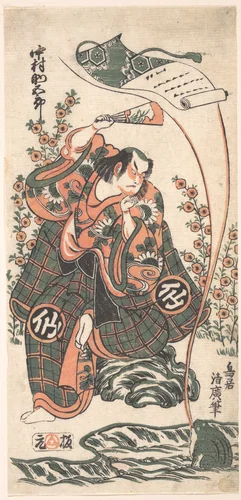
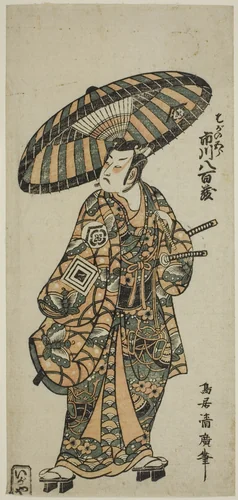
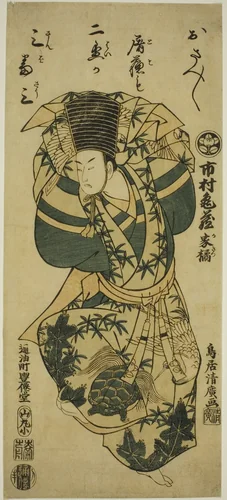
The surviving corpus of Torii Kiyohiro prints, though small—around fifteen major works are attributed to him—is consistently high in caliber, securing their place as museum-quality examples of the period. His representations of celebrated actors, such as Sanogawa Ichimatsu in the Role of Otsuru and The Actor Tohimura Kamezo as a Warrior, capture the heroic intensity required by the Kabuki repertoire.
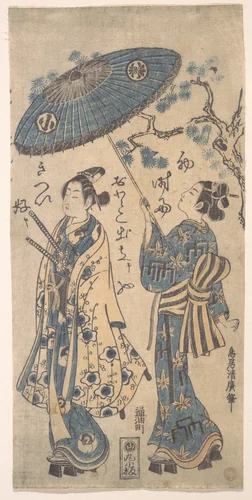
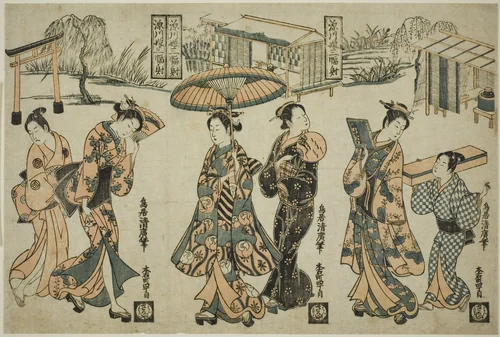
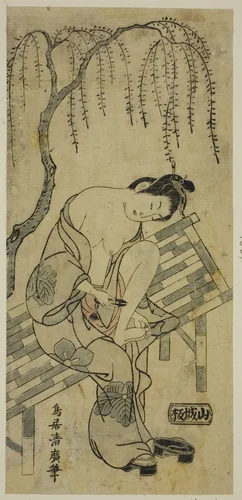
One intriguing aspect of Kiyohiro’s art is his handling of the gender complexities of the stage. Works such as The Actor Arashi Wakano as a Young Samurai in Woman's Clothes reflect the delightfully complicated aesthetics inherent in a theater reliant on male actors for female roles (onnagata). These artifacts, preserved today in institutions including the Metropolitan Museum of Art and the Art Institute of Chicago, offer direct insight into the visual culture of eighteenth-century Edo. Thanks to widespread digitization efforts, many of these influential Torii Kiyohiro paintings and prints have entered the public domain, ensuring their availability as downloadable artwork for scholars and enthusiasts alike.
Source: Wikipedia · CC BY-SA 4.0