Tina Modotti
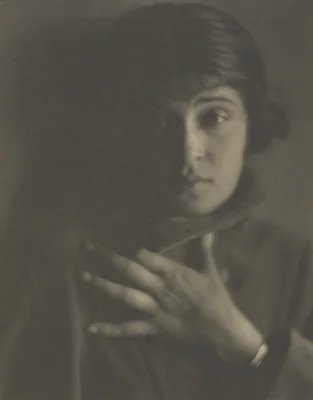
Tina Modotti (1896-1942) remains one of the most compelling figures in 20th-century visual culture, notable for an intensely focused, if brief, artistic career that spanned just four active years, primarily between 1923 and 1926. Her early life established a lifelong pattern of international movement and aesthetic evolution. Modotti emigrated from her native Italy in 1913, settling first in the United States, where she worked across several fields in San Francisco and Los Angeles, transitioning from seamstress and model to a performer in theater and film.
Modotti’s life took a decisive artistic and political turn upon her move to Mexico in 1922. Immersing herself in the post-revolutionary cultural and intellectual milieu, she abandoned her acting career to fully commit to photography and essay writing, simultaneously becoming an active member of the Mexican Communist Party. This confluence of visual modernism and intense social commitment defines her brief but potent photographic output.
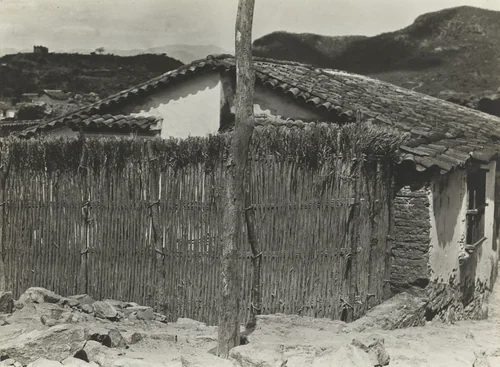
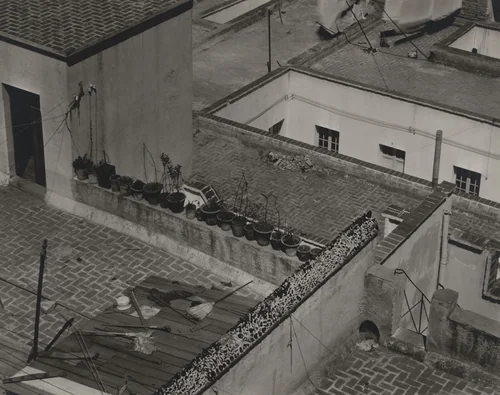
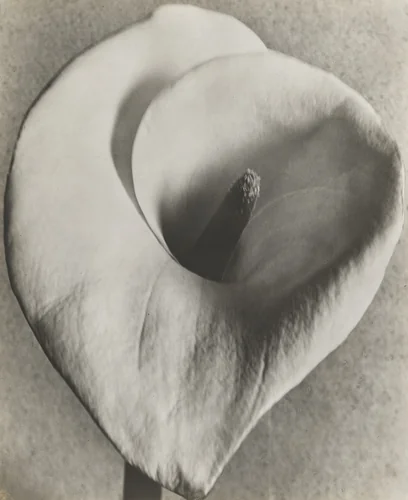
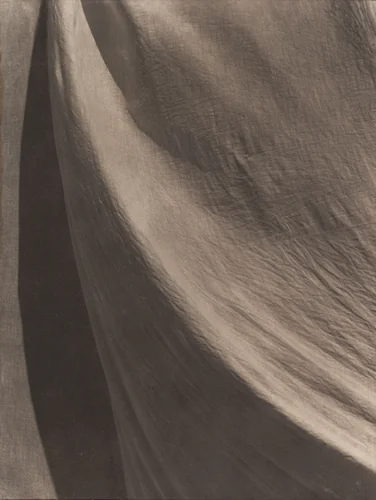
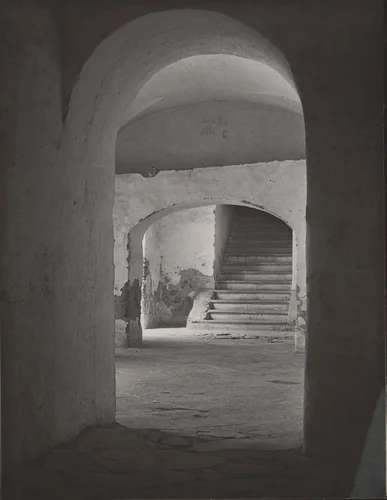
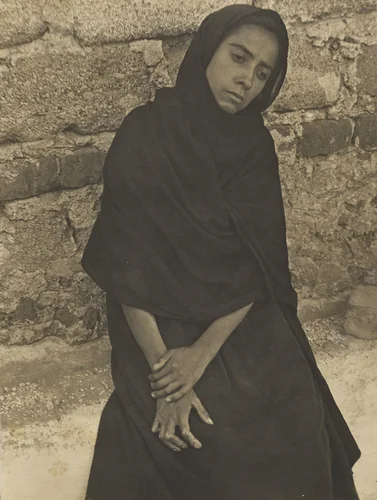
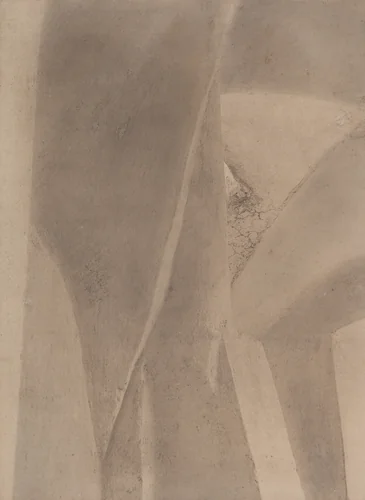
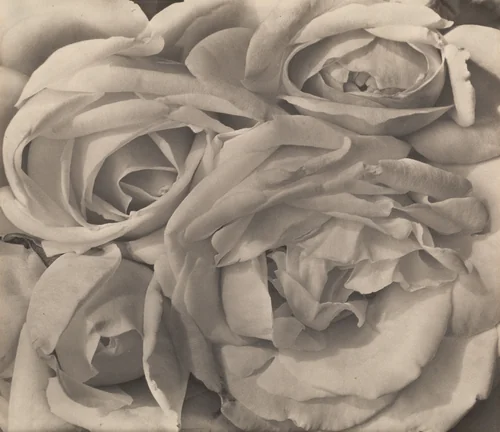
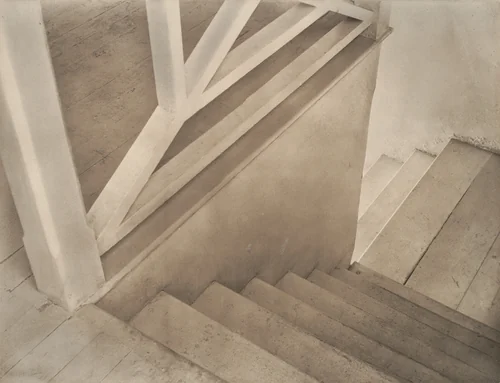
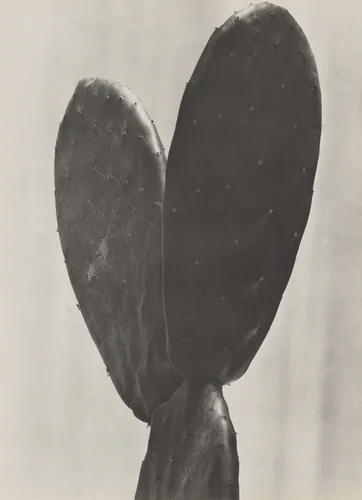
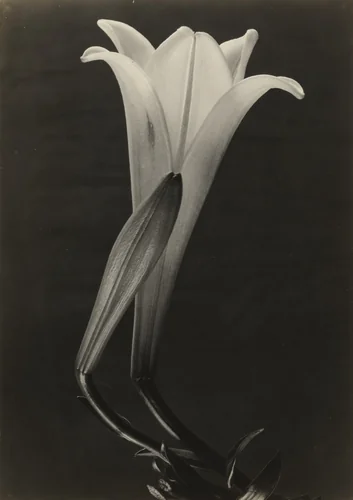
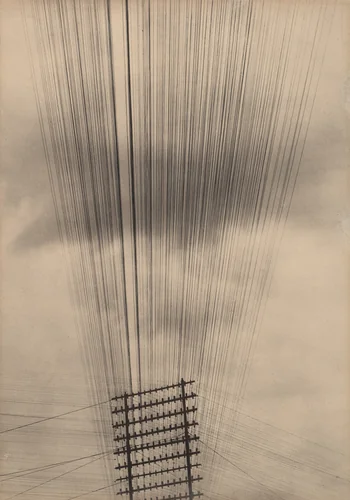
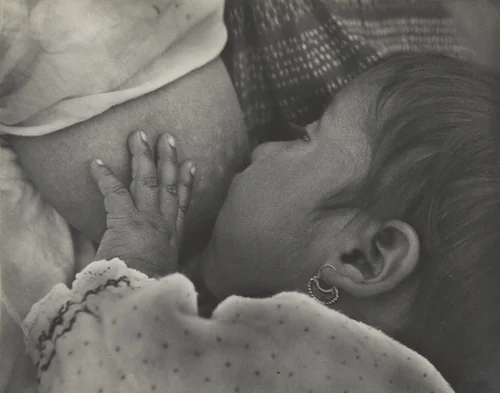
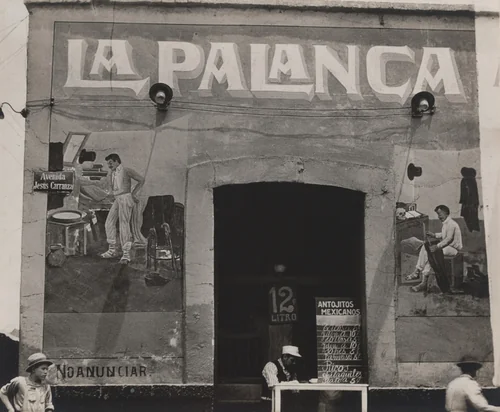
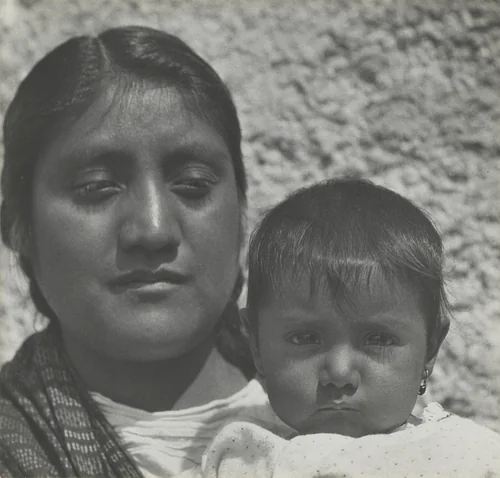
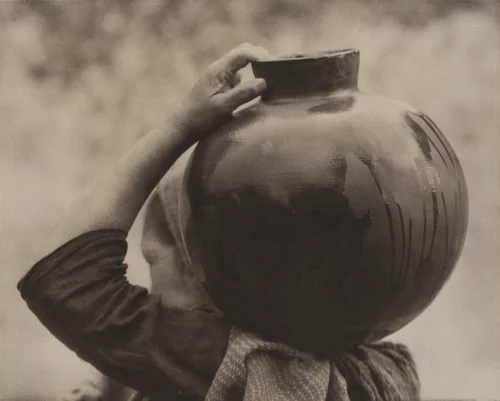
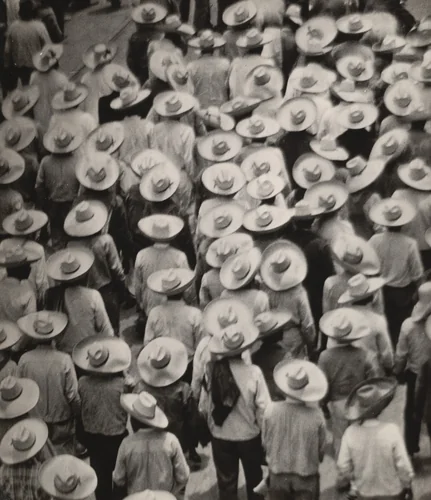
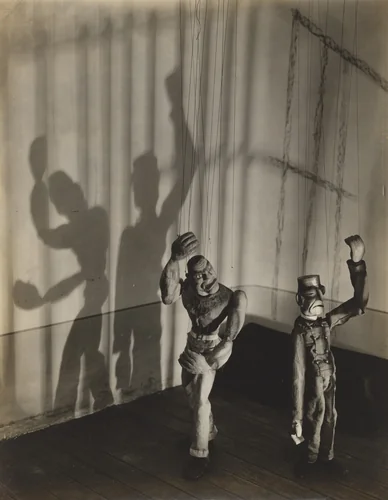
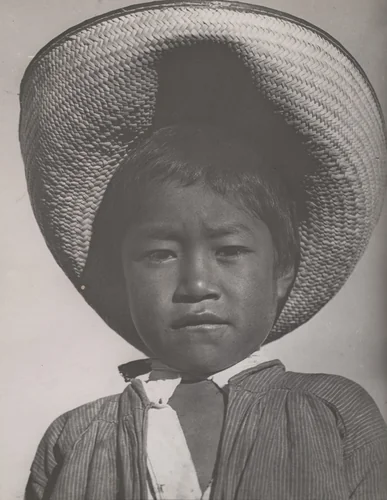
Modotti’s work is characterized by a precise, modernist aesthetic that seamlessly marries geometric abstraction with potent social commentary. She captured the structure and texture of the new nation with rigorous focus, moving fluidly between architectural forms, as seen in Roofs of Mexico City and Convent of Tepotzotlán, Mexico, and symbolic close-ups of vernacular objects. Her formal control is evident in key images like House in Tehuantepec and the powerful textural study Cloth Folds, revealing an eye keenly attuned to pattern and light. It is perhaps a great irony that someone so politically driven could capture the serene, formal purity of a single blossom in her famous Calla Lily with such compositional mastery.
Though Modotti’s active photographic output ceased relatively early as she prioritized revolutionary political activism for the Comintern, her contribution to the medium is enduring. The small body of work she produced remains central to the history of socially engaged modernism. While Modotti’s rare originals are housed in major international institutions, including the Museum of Modern Art, her photographic legacy is widely accessible today. Many high-quality prints of her photographs, now considered public domain, ensure that Tina Modotti prints remain influential for the study of early 20th-century art.
Source: Wikipedia · CC BY-SA 4.0