.jpeg)
Tibet
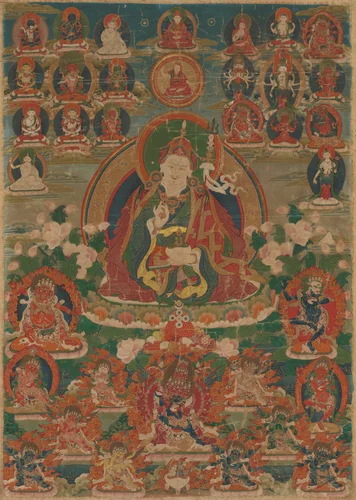
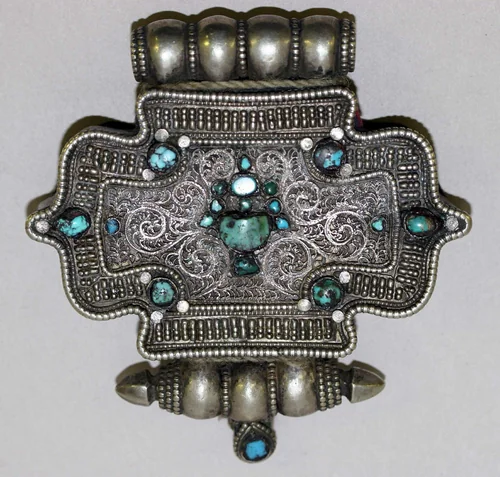
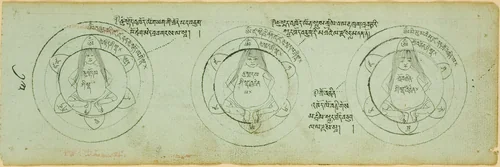
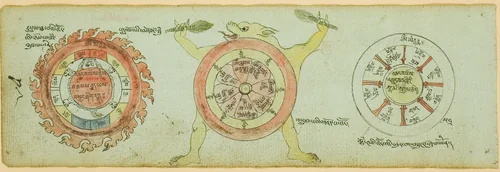
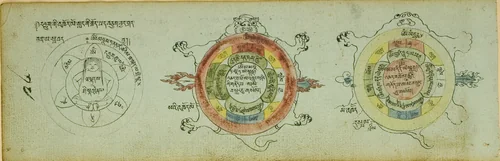
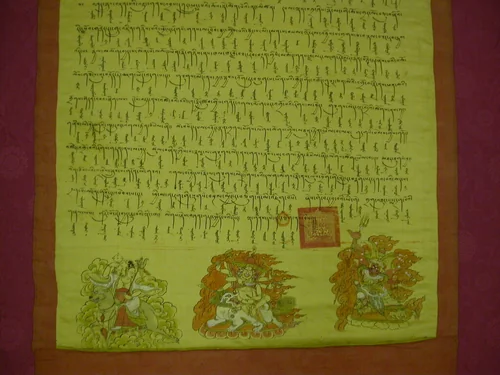
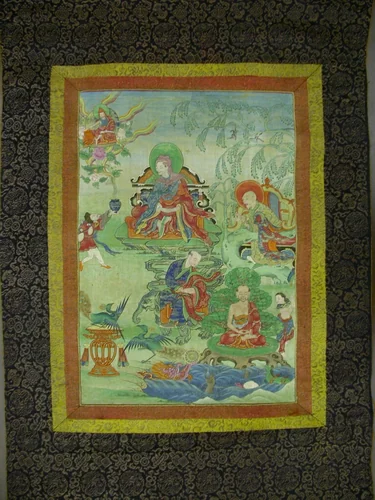
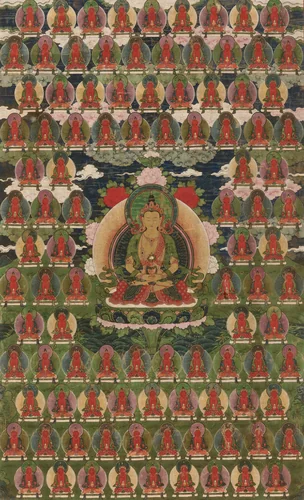
The artistic activity designated simply as Tibet refers not to a single individual, but to a crucial and highly defined period of ritual artistic production flourishing across the Tibetan Plateau between 1299 and 1400. This era, centered in the homeland of the Tibetans, yielded specialized devotional objects, most notably the Tsakali, or small initiation cards, 14 drawings of which are known to survive and are held in institutions such as the Art Institute of Chicago.
The physical environment of the Tibetan Plateau, the highest region on Earth with an average elevation exceeding 4,380 m, profoundly shaped the spiritual and aesthetic character of the work. The demanding altitude and relative isolation created an art form resistant to transient outside influences, favoring codified symbolism and a meticulous, internalized approach to iconography. Furthermore, the artistic output of the period benefited from the cultural contributions of the numerous resident ethnic groups-including the Mongols, Monpa, Tamang, and Sherpa-resulting in a synthetic visual vocabulary that blended diverse stylistic traditions into a coherent and unique regional identity.
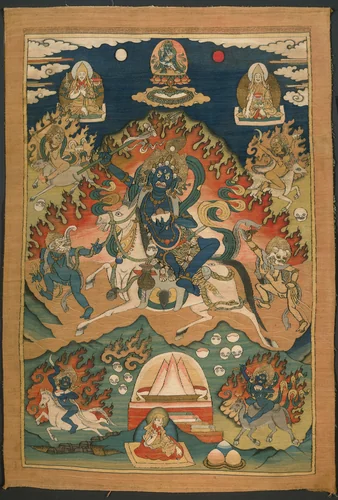
The primary focus of this artistic cycle was on didactic and ritual function, with works often deployed in temporary, personalized ceremonies. Key surviving pieces exemplify this function, detailing symbolic supports of divinity, such as the Elephant Throne, from a Set of Initiation Cards (Tsakali) and the corresponding Horse Throne, from a Set of Initiation Cards (Tsakali). These works demonstrate a mastery of line and color saturation, miniaturizing complex cosmological structures onto small, portable supports suitable for instruction and meditation. Perhaps fittingly for an artistic tradition originating from the highest region on Earth-Mount Everest reaching 8,848 m-the visual language often prioritizes verticality and an astonishing level of compressed symbolic detail.
Due to the scarcity of surviving 14th-century works on paper and cloth, the documented existence of these pieces in major Western collections provides vital insights into esoteric practices of the late Yuan and early Ming periods. Today, many of these museum-quality historical resources are available as royalty-free downloadable artwork, ensuring that the stylized precision of historical Tibet prints remains accessible to researchers globally. The continued study of this focused artistic period sheds light on the complex interplay between geography, belief, and the development of specialized religious drawing traditions.
Source: Wikipedia · CC BY-SA 4.0