Thomas Woolnoth
Thomas Alfred Woolnoth (1785-1857) holds a distinguished, if perhaps understated, position in the history of British reproductive engraving. An active artist for over half a century, his career culminated in the esteemed appointment as engraver to Queen Victoria. Operating during a critical period when engraved reproductions served as the primary means of artistic and historical dissemination, Woolnoth’s work was instrumental in shaping the visual understanding of both historical personages and contemporary cultural figures. His technical skill is evidenced by the inclusion of his works in major international holdings, including the Metropolitan Museum of Art and the National Gallery of Art.
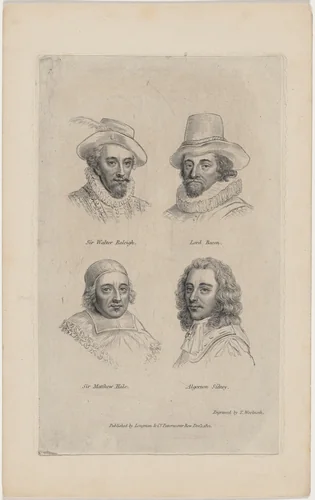
Woolnoth was known particularly for his penetrating portraits of London’s theatre community, capturing the likenesses of actors and stage personalities with precision. However, his output encompassed a wide range of subjects, extending deeply into historical portraiture. He meticulously executed likenesses of significant English figures, including Sir Walter Raleigh, Lord Bacon, Algernon Sidney, and Sir Matthew Hale.
His proficiency in translation across media was remarkable, demonstrating his mastery not only in interpreting painted portraits into line engraving but also in producing original Thomas Woolnoth paintings. His commitment to the lineage of art history is further displayed in his engravings based on the canvases of Old Masters, notably Correggio and Van Dyck. This dual role, as both a creator of original artwork and a highly skilled interpreter of others, solidified his reputation among his peers and the public. His contribution to Cadell and Davies’s influential early nineteenth-century topographical guide, Britannia depicta, further illustrates his established standing in the realm of publishing and printmaking.
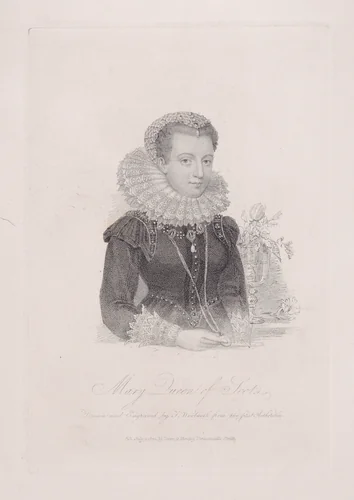
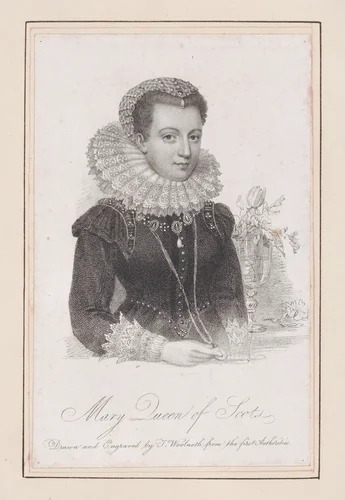
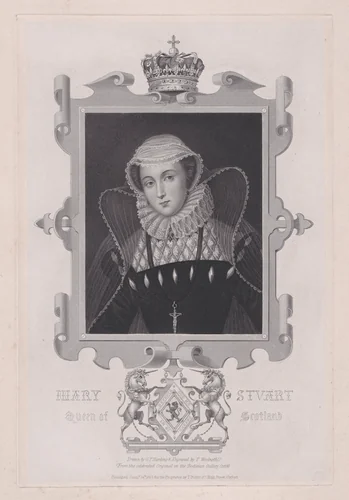
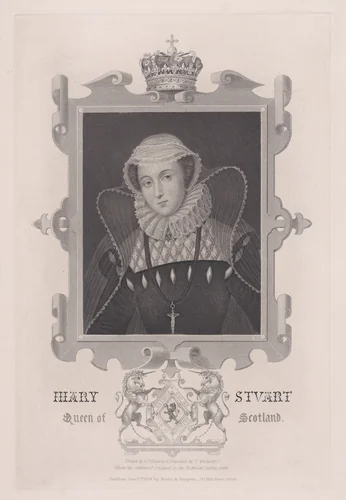
A recurring theme in his catalog is the enduring fascination with political tragedy; the production of multiple, subtly distinct versions of Mary, Queen of Scots illustrates a clear understanding of the market’s demand for high-quality prints featuring evocative historical narratives. These detailed images, originally circulated privately, are increasingly available for study, especially since many original impressions have entered the public domain, allowing institutions to offer downloadable artwork and museum-quality reproductions for academic research.
Source: Wikipedia · CC BY-SA 4.0