Thomas Wijck
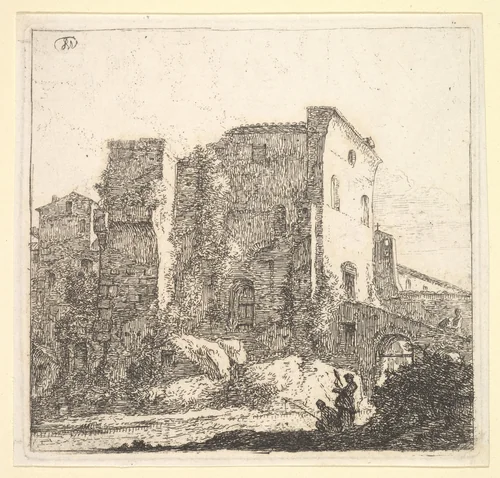
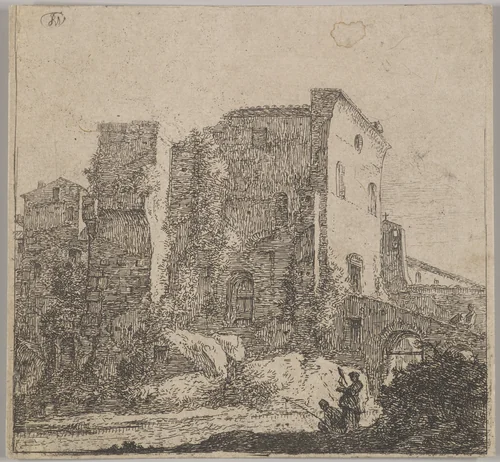
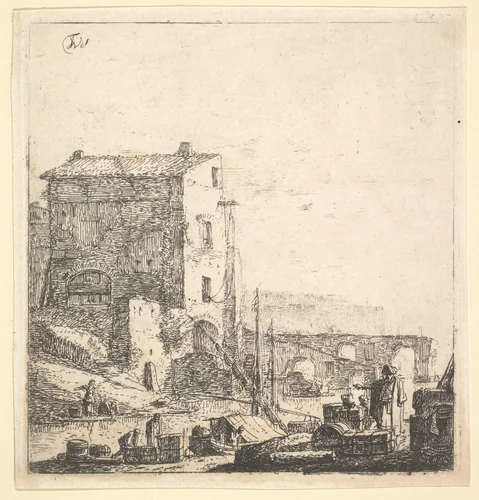
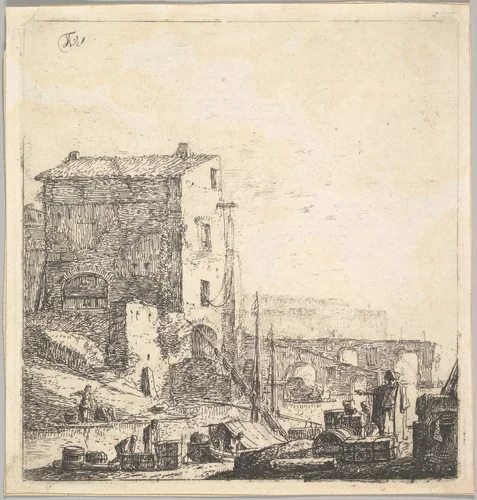
Thomas Wijck (active 1610-1616) occupies a notable, if often understated, position within seventeenth-century Dutch painting. Primarily recognized as a highly competent painter of port views and genre scenes, his output during this brief period demonstrated an unusual focus on the complex nexus between local activity and distant trade. His meticulous approach to detailing both the humble domestic sphere and the bustling, mercantile waterfront provided viewers with a distinct vision of the Dutch Golden Age.
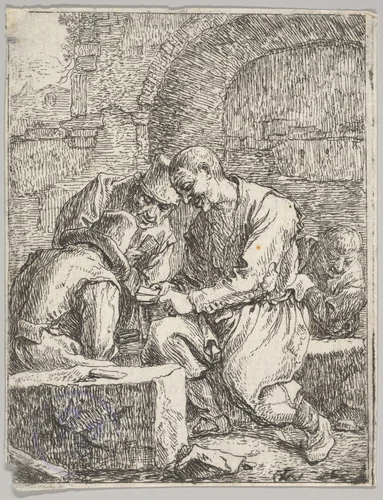
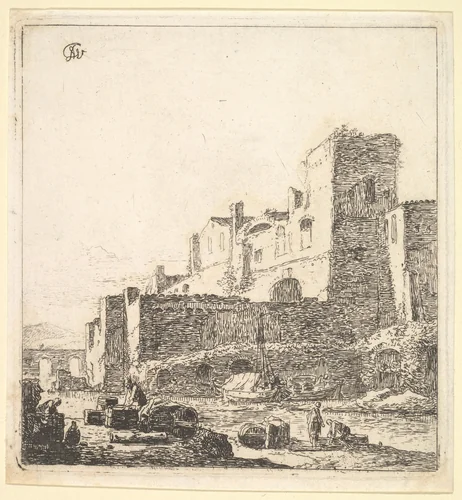
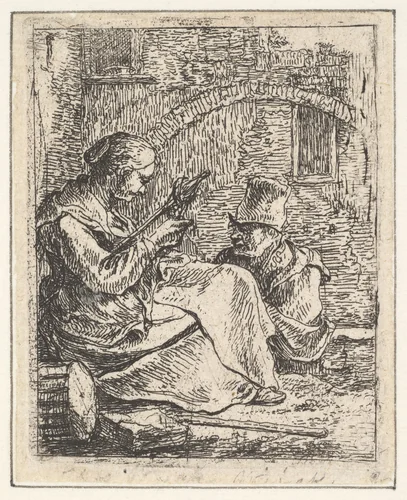
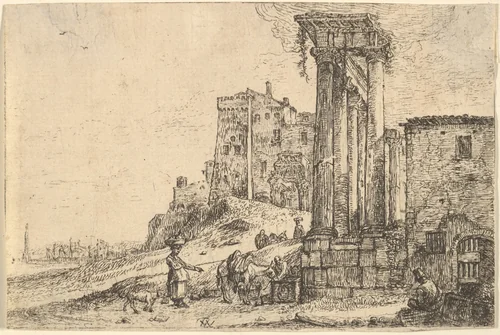
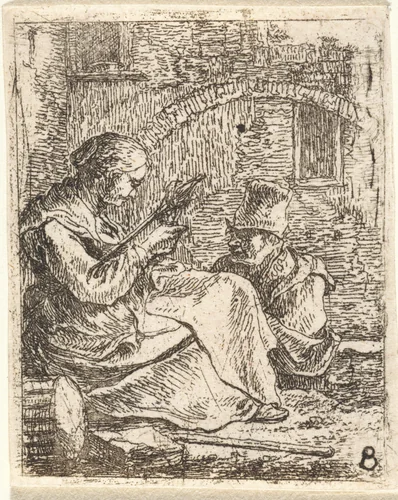
Wijck excelled in capturing the labor and rhythms of ordinary life, elevating quotidian subjects through precise rendering. His genre scenes, such as the repeated study A Woman Spinning and a Fisherman, highlight the interrelation of traditional domestic industry and the economic engine of the sea. Yet, what distinguishes Wijck’s print output is his willingness to incorporate subjects far beyond the typical Dutch milieu. His fascination with the exotic is notably evident in works like An Oriental Merchant with Merchandise at Riverside, a sophisticated composition that situates foreign figures and goods directly onto the familiar northern European riverbank. It is worth noting that this integration of the globally sourced into the locally observed was a subtle artistic acknowledgement of the period’s burgeoning world market.
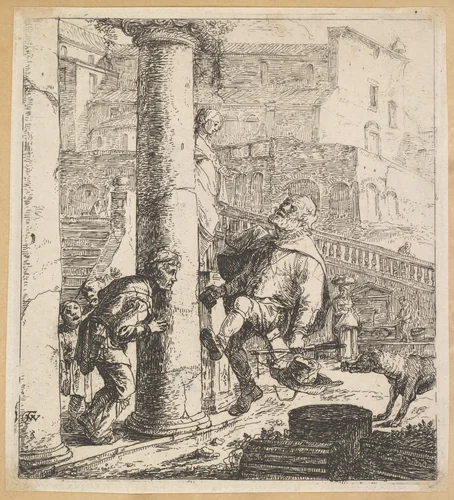
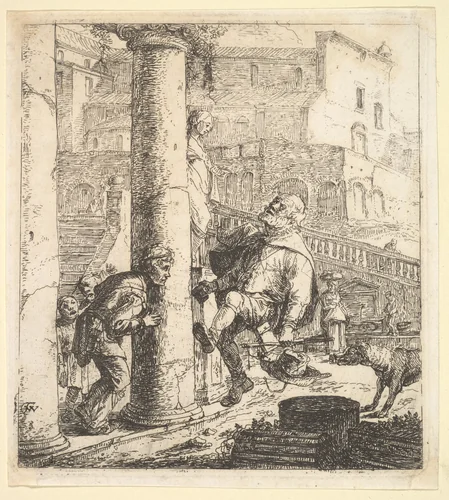
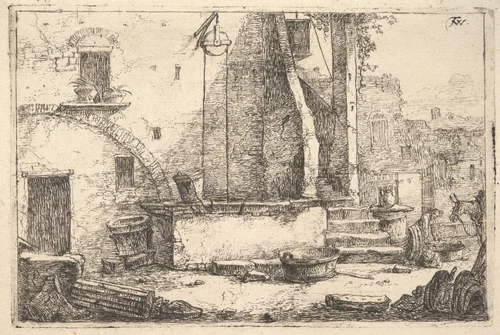
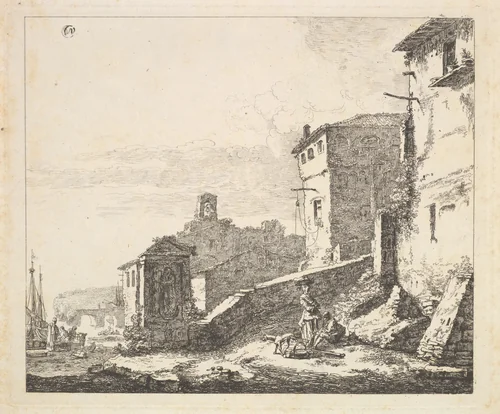
Although the span of his documented career was short, Wijck's compositions were widely appreciated, demonstrating his proficiency across different media. His surviving body of work, comprising fifteen known prints, is held in major international institutions, including the Metropolitan Museum of Art. These prints often balance pathos and observation, exemplified by the stark social commentary found in Blind Beggar Bumping A Pillar.
Due to the enduring historical interest in Thomas Wijck prints, and their status as public domain artwork, many of these museum-quality compositions are available as high-quality prints for study and collection today. The availability of downloadable artwork ensures his precise observation of 17th-century life continues to resonate with contemporary audiences and scholars.
Source: Wikipedia · CC BY-SA 4.0