Thomas Waterman Wood
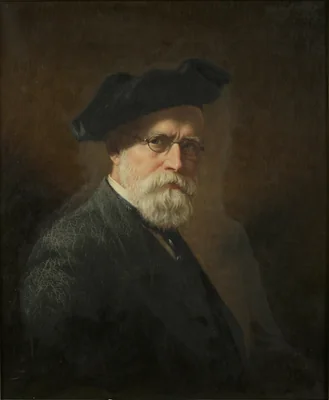
Thomas Waterman Wood (1823-1903) was an influential American painter whose significance is often measured by the widely circulated print versions of his genre and narrative canvases. Born in Montpelier, Vermont, Wood eventually became a fixture in the New York art establishment, yet his subjects remained rooted in the detailed observation of American life, particularly the social shifts catalyzed by the Civil War. His compositions are held in major public collections, including the Metropolitan Museum of Art, the National Gallery of Art, and the Cleveland Museum of Art.
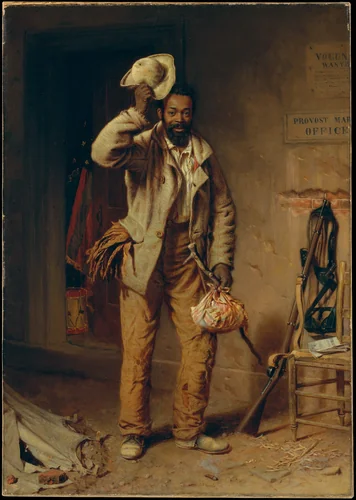
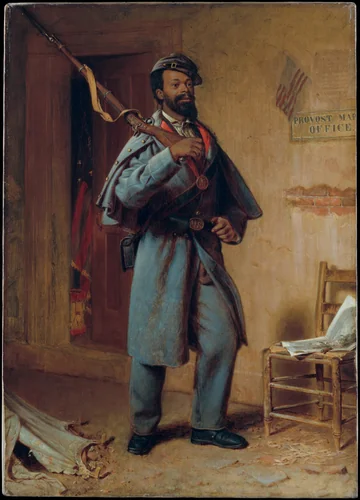
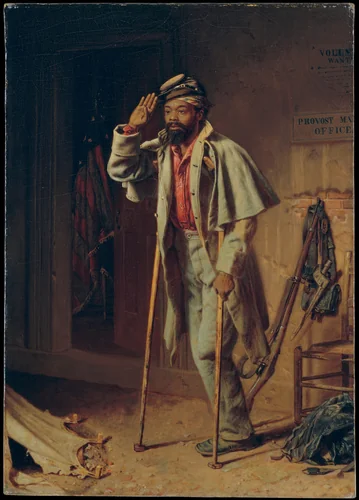
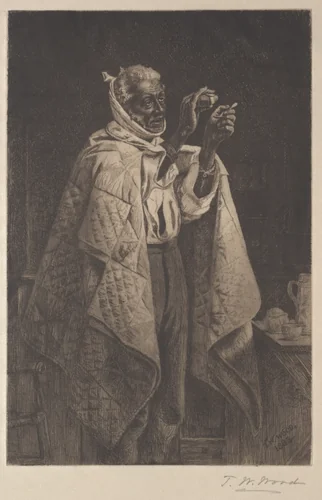
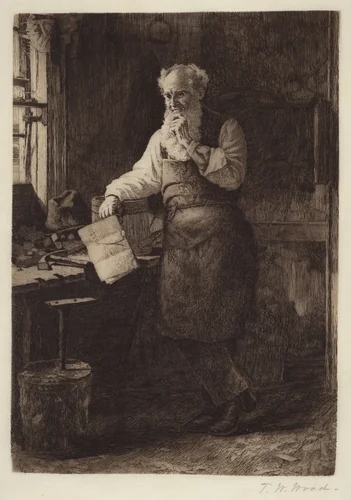
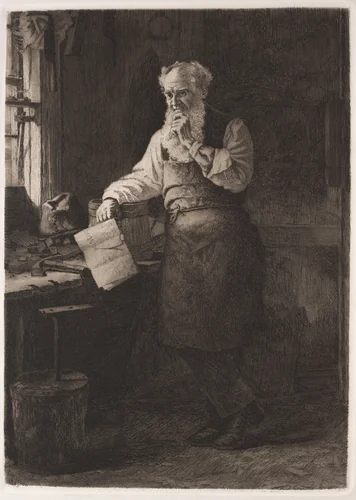
Wood was active primarily in printmaking between 1865 and 1887, a critical period during which American artists sought to visualize the complex aftermath of the national conflict. His most enduring contribution to this visual history is the powerful trilogy A Bit of War History. This series, comprising the individual prints A Bit of War History: The Contraband, A Bit of War History: The Recruit, and A Bit of War History: The Veteran, eschewed traditional heroic battle scenes. Instead, Wood focused on the specific personal transformations engendered by military service and the abrupt shifts in racial and social status. The works function as understated visual documents, detailing the experience of the individual soldier, from the enthusiasm of enlistment to the weary return.
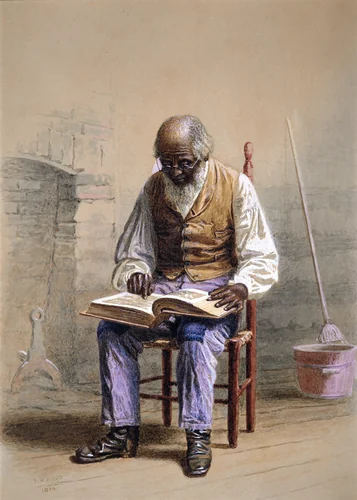
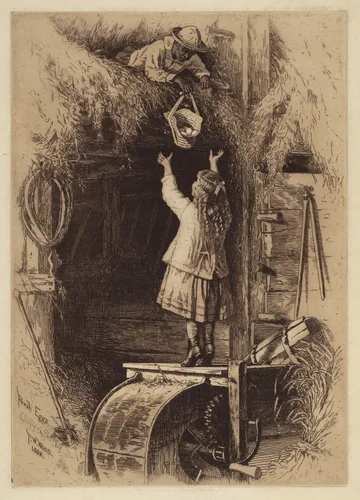
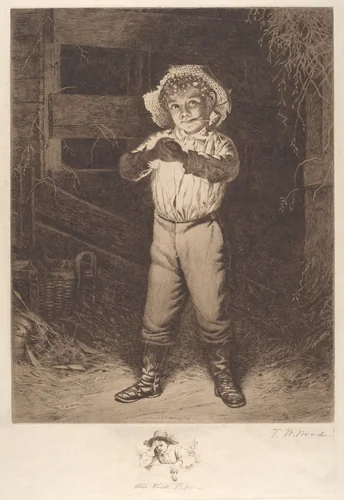
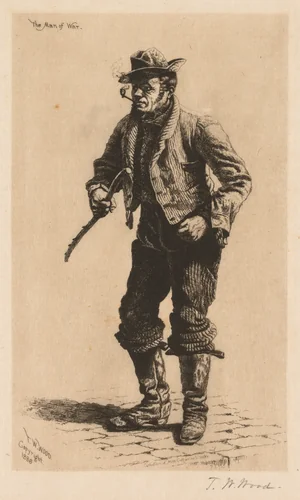
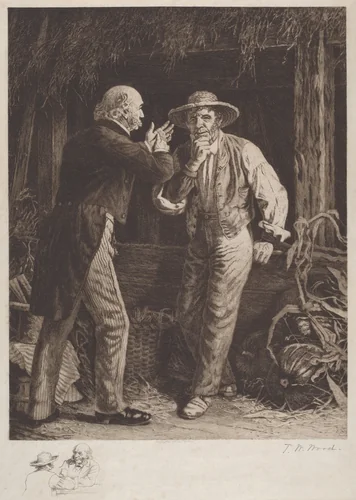
Beyond historical commentary, Wood excelled in genre scenes, capturing simple, compelling domestic narratives. Prints like Reading the Scriptures and the pragmatic study Fresh Eggs demonstrate his keen attention to texture and light, characteristic of 19th-century American Realism. Although the original Thomas Waterman Wood paintings often remain within institutional archives, his commitment to producing museum-quality print versions ensured his artistry reached a broad audience. It is this dedication to accessibility that subtly defines his legacy, suggesting an early understanding of visual democratization.
Today, Wood's images remain vital sources for documenting the era’s social conditions. Given the age and historical significance of the material, many of these images are now considered royalty-free and exist in the public domain, allowing enthusiasts access to high-quality prints. This widespread availability of his Thomas Waterman Wood prints ensures his narratives continue to educate and influence subsequent generations of viewers.
Source: Wikipedia · CC BY-SA 4.0