Thomas Sutherland
Thomas Sutherland (1785–1838) was a British artist recognized primarily for his distinguished activity as a printmaker during the transition from Neoclassicism toward the Romantic appreciation of the sublime. Though recorded generally as a painter of maritime and naval subjects, his enduring contribution rests in the nine known surviving high-quality prints produced between 1803 and 1819, a period during which reproducible visual art gained unprecedented commercial importance.
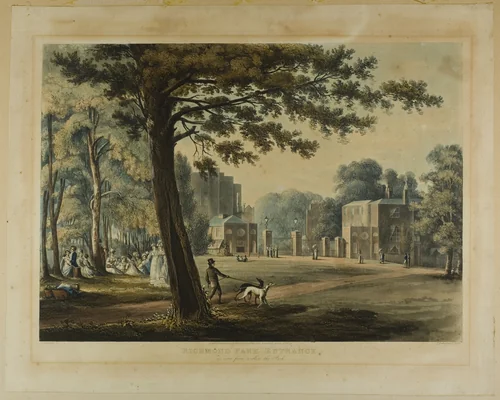
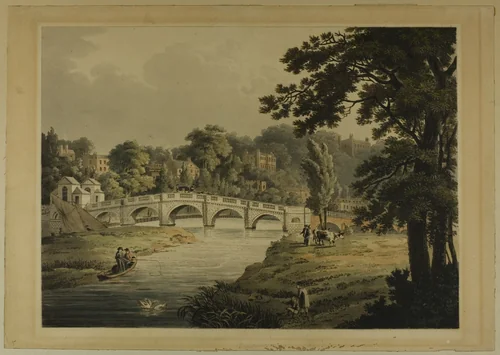
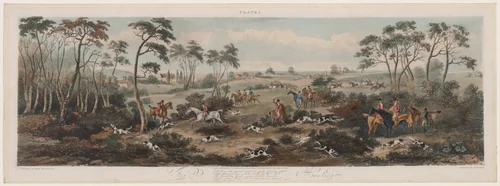
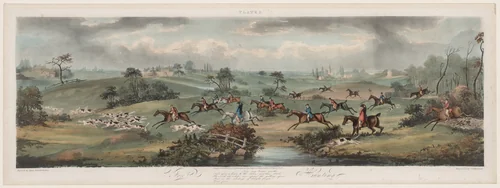
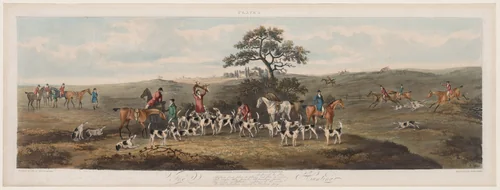
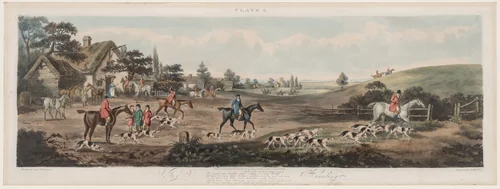
Sutherland’s work reveals a mastery of line and composition suited to varied thematic demands. His catalog encompasses topographical scenes, sporting life, and depictions of catastrophic natural phenomena. His views of local geography, such as Richmond Park Entrance and View of Richmond from the Bridge, display the meticulous detail characteristic of early nineteenth-century documentation, catering to the growing demand for accurate, yet beautifully rendered, local views. Simultaneously, his print work demonstrates an astute commercial awareness by addressing the enduring aristocratic interest in leisure and hunting, evidenced by pieces like Fox Hunting, No. 1.
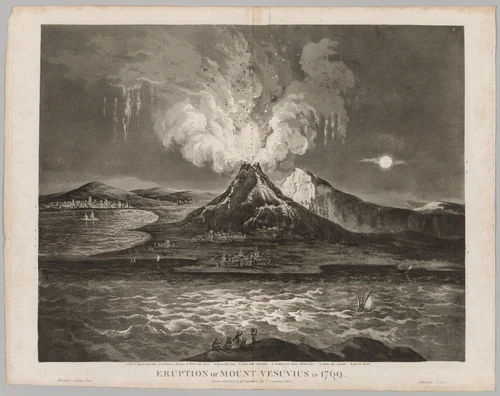
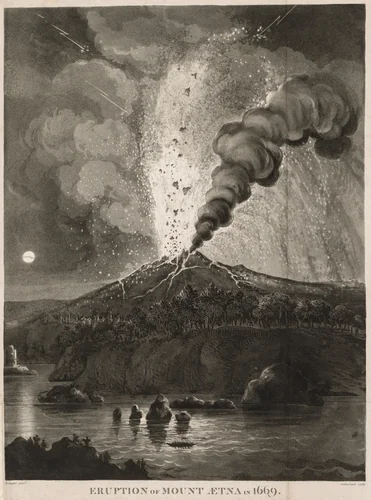
The most dramatic elements in Sutherland’s portfolio, however, are his treatments of geological violence. Prints such as Eruption of Mount Vesuvius in 1769 and Eruption of Mount Aetna in 1669 place the viewer squarely before forces beyond human control. By translating these fiery spectacles into the cool, controlled medium of the print, Sutherland tapped into the popular appetite for the terrifying grandeur celebrated by the era’s Romantic poets. His ability to move seamlessly from the placid countryside to scenes of apocalyptic fire is perhaps the most fascinating aspect of his brief but intense working period.
Though relatively little archival material survives concerning Sutherland’s personal life or broader career as a painter, his status is affirmed by the inclusion of his graphic works in prestigious international collections, including the Art Institute of Chicago and the Cleveland Museum of Art. His technical proficiency ensured his works were widely distributed and copied, and today many of these Thomas Sutherland prints are available for study in the public domain, offering direct insight into the visual culture of early nineteenth-century Britain.
Source: Wikipedia · CC BY-SA 4.0