Thomas Stevens
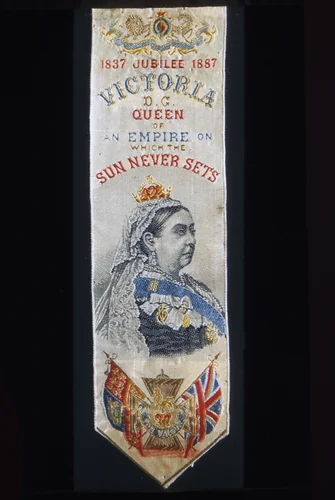
Thomas Stevens (or Stephens), a significant figure in nineteenth-century industrial art, defined a career specializing in finely woven pictorial silk textiles. Active across a remarkably long span from 1801 to 1887, Stevens contributed to the burgeoning market for accessible, high-quality prints and decorative novelties enabled by advancements in the Jacquard loom technology. His production bridged the gap between traditional fine art and collectible, mass-market consumer goods, ensuring his works quickly became ubiquitous Victorian souvenirs.
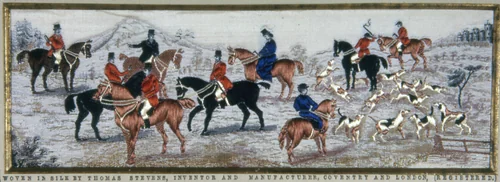
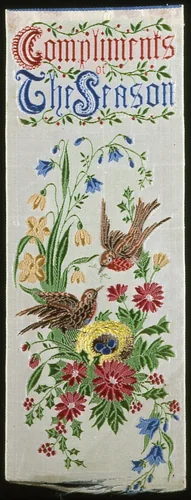
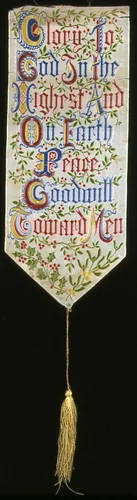
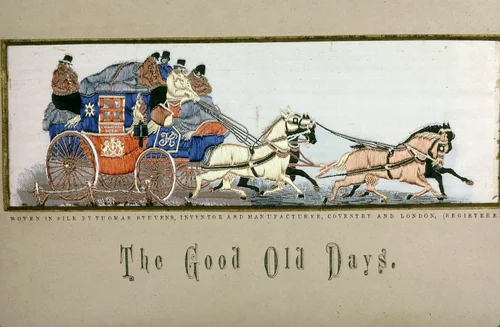
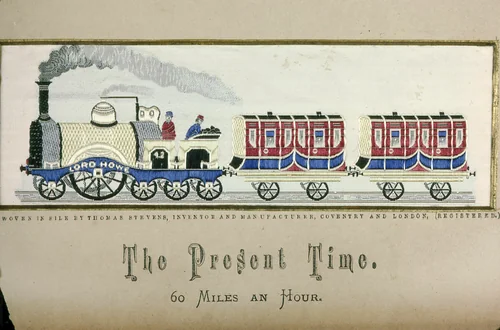
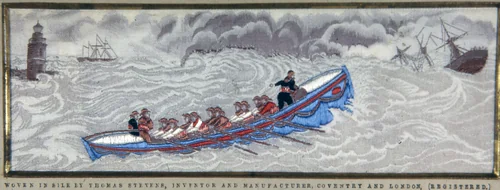
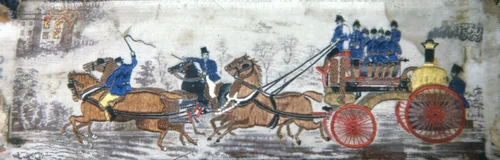
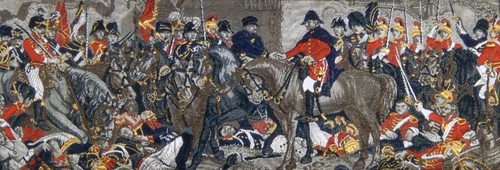
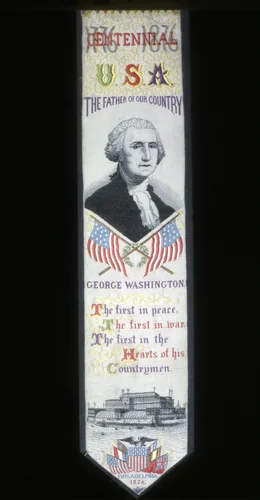
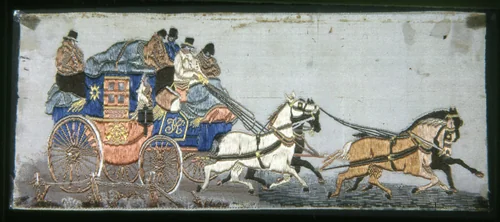
The thirteen extant textiles definitively attributed to Stevens, housed in collections such as the Art Institute of Chicago, reveal a mastery of complex weaving processes that translated popular contemporary imagery into shimmering, permanent silk. Stevens’ output diversified across genres required by the middle-class consumer, encompassing the sentimental, the devotional, and the sporting. Examples include the commemorative ribbon Glory to God in the Highest, the seasonal greeting Compliments of the Season, and the elegant hunting depiction, The Meet (A Hunting Scene).
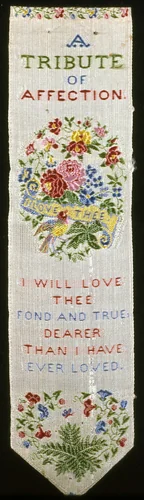
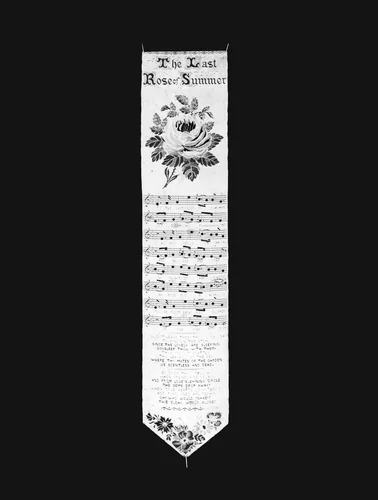
These small, intimate items, often designed as bookmarks or ribbons, demonstrate Stevens’ facility for adapting sentimental Victorian verse and imagery. The bookmark A Tribute of Affection and the musically-inspired The Last Rose of Summer encapsulate the era’s taste for poetry rendered in tangible, collectible form. Stevens' artistic contribution lay in this translation of design into scalable, mechanical production, establishing standards for museum-quality textile art that was, paradoxically, intended for daily use and exchange.
It is a fascinating historical footnote that despite the widespread dissemination of his output, Stevens’ identity remains slightly fluid—often recorded interchangeably as Thomas, Tom Stevens, or Stephens—a minor anonymity inherent in the industrialization of art itself. Today, the enduring commercial success of his legacy means that many of these Thomas Stevens prints and similar high-quality examples of woven art are now in the public domain, allowing for downloadable artwork and study by contemporary textile historians.
Source: Wikipedia · CC BY-SA 4.0