Thomas Simon
Thomas Simon (c. 1623-1665) stands as one of the pre-eminent English medalists of the mid-seventeenth century. Born in Yorkshire around 1623, as documented by the chronicler George Vertue, Simon’s brief but impactful career spanned the politically complex years of the English Commonwealth and the early Restoration period. While his known active professional life appears tightly focused between 1656 and 1660, the works produced during this narrow window exemplify a masterful command of portraiture and sophisticated heraldic design in high-relief metalwork.
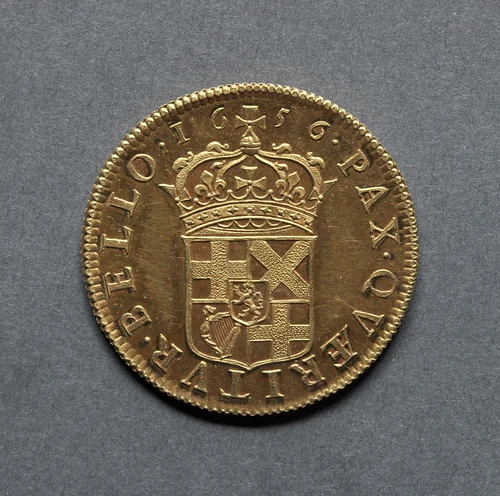
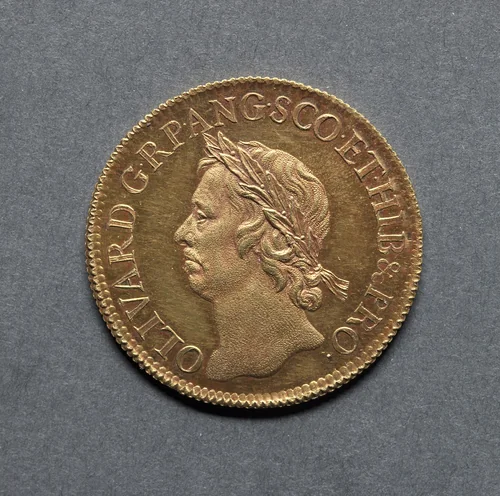
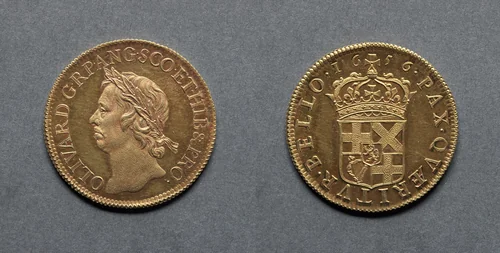
Simon’s primary artistic contribution lies in his exceptional skill applied to coinage and medallions for the reigning power. His ability to render complex facial features, deeply etched inscriptions, and detailed texture on small surfaces set a high standard for the era. The pieces associated with Oliver Cromwell are frequently cited as his finest achievements, requiring immense precision to capture the gravity of the Protectorate's authority shortly before its collapse. These include the famous broads featuring the detailed portrait of Oliver Cromwell Lord Protector (obverse) often paired with the finely detailed Crowned Shield of Arms (reverse).
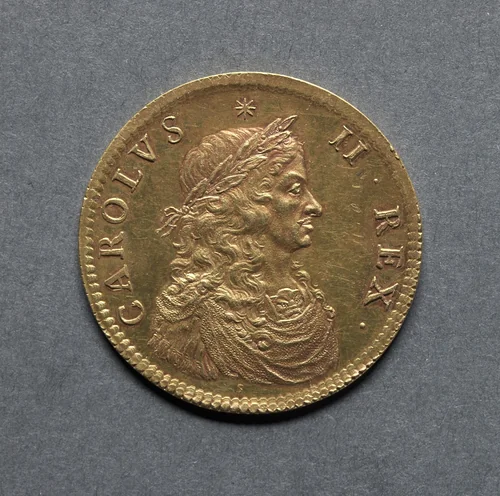
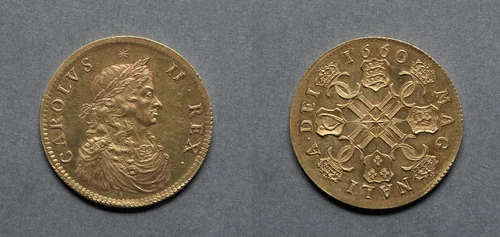
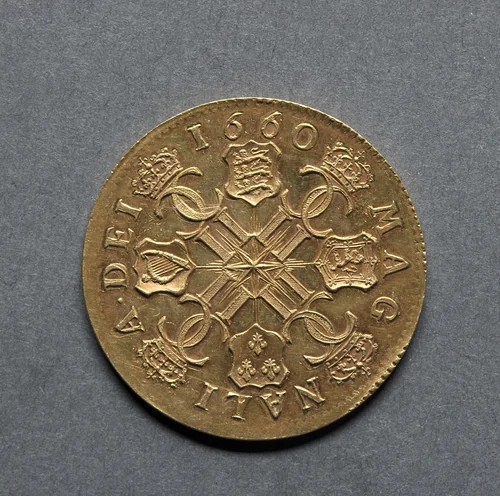
Following the dramatic collapse of the Commonwealth, Simon demonstrated remarkable political agility, swiftly transitioning his skills to the new royal regime. His subsequent commissions included powerful depictions of the restored monarch, exemplified by pieces such as Charles II (obverse) matched with Shields (reverse). It is perhaps a subtle, amusing observation on the nature of court artists that a single master craftsman could so effectively capture the definitive essence of two diametrically opposed rulers within a four-year span. Although Thomas Simon paintings are not known, the enduring impact of his medallic designs ensures their continued study.
The surviving corpus of Simon’s six known metalworks is highly prized for its historical significance and museum-quality artistry. Examples are held in prestigious institutions globally, including the collection of the Cleveland Museum of Art. Because many of these historic designs fall into the public domain, collectors and researchers can access high-quality prints and downloadable artwork derived from his influential dies, ensuring Thomas Simon prints remain a vital reference point for 17th-century numismatic history.