Thomas Seir Cummings
Thomas Seir Cummings (1804–1894) was a foundational figure in American miniature portraiture, active across a critical transitional period stretching from 1822 until the mid-1840s. An English-American artist and noted chronicler of the arts, Cummings’s primary legacy resides in the highly refined execution of intimate portraits created just prior to the widespread adoption of photographic technology. His importance is underscored by institutional holdings, with key examples of his work preserved in major collections, including the Metropolitan Museum of Art.
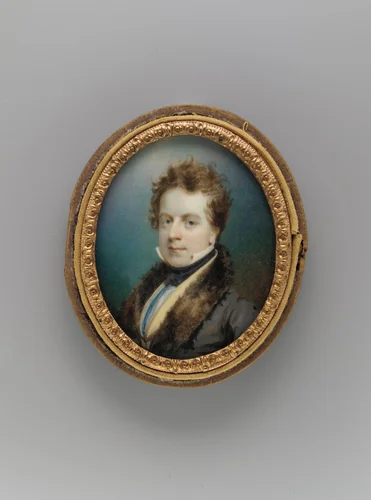
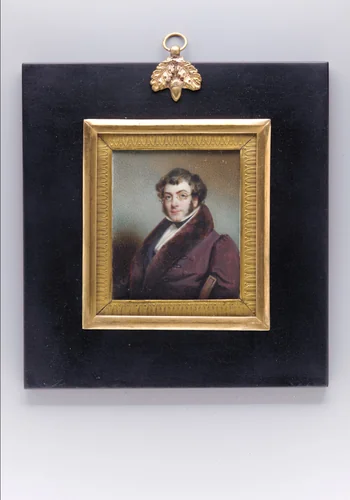
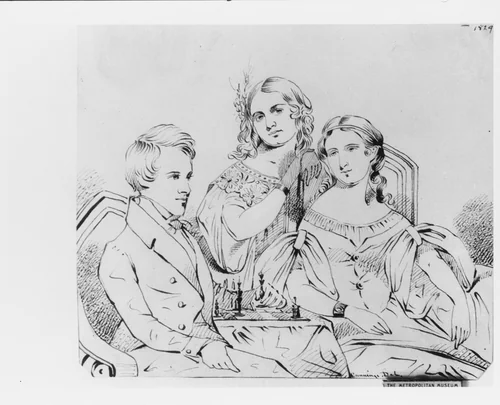
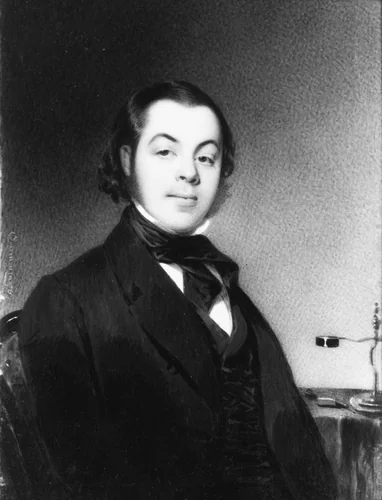
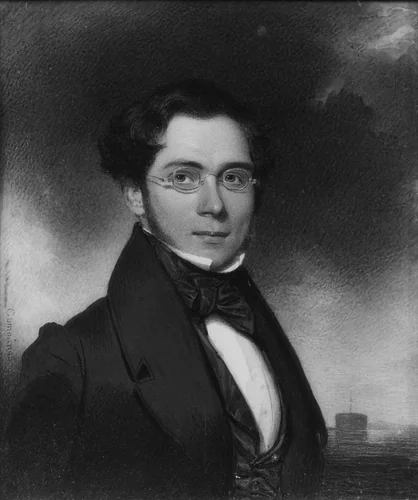
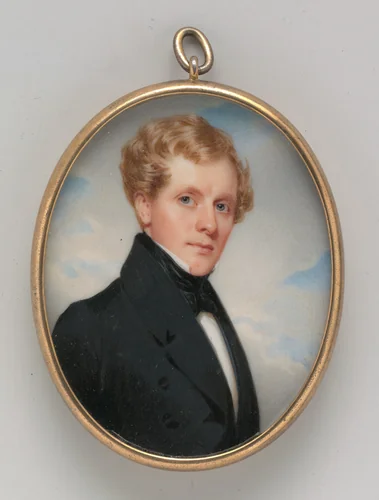
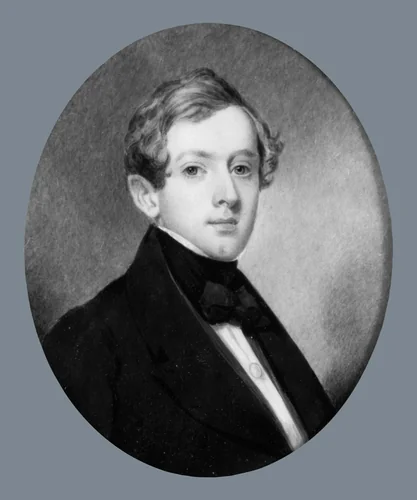
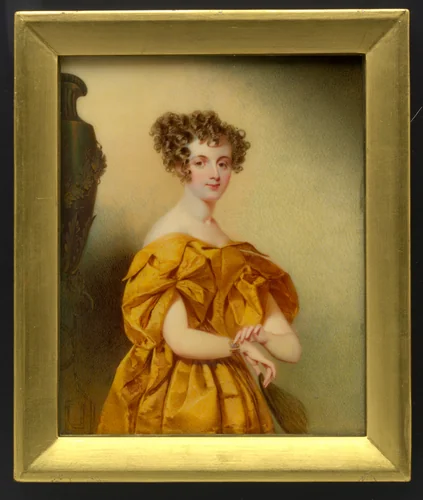
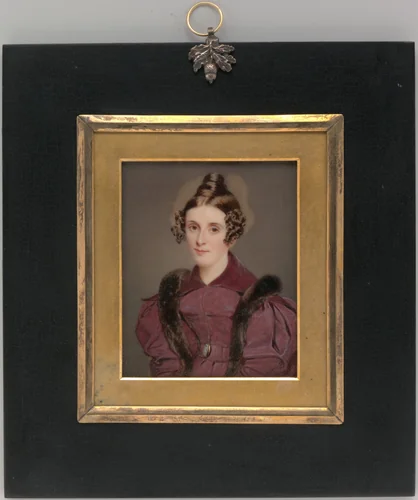
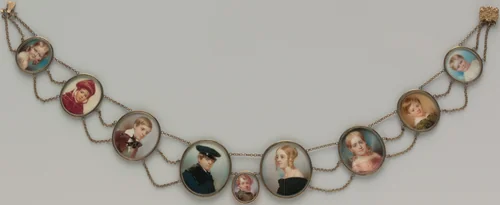
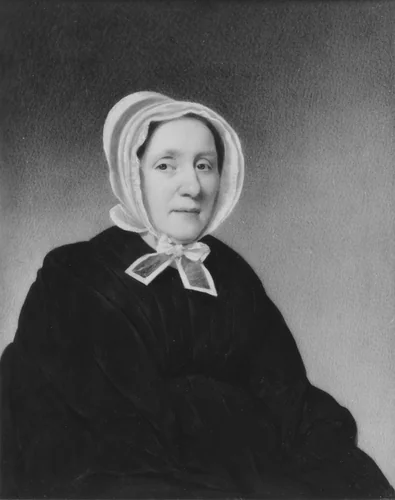
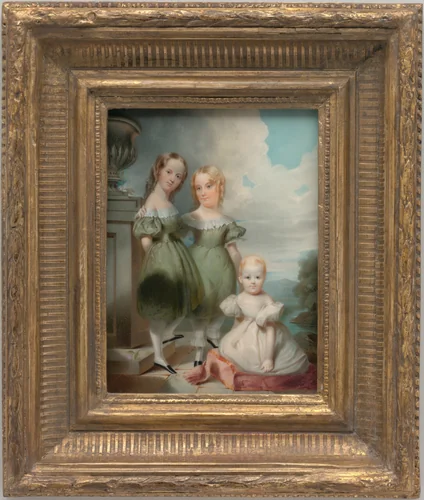
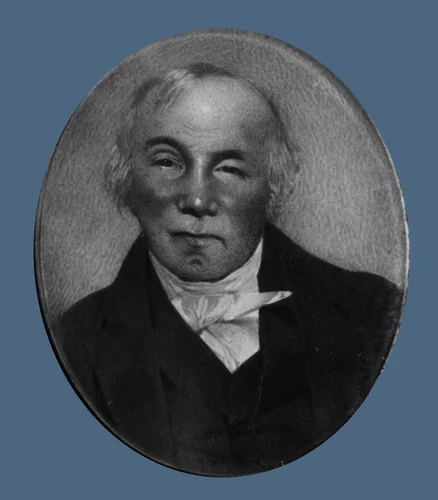
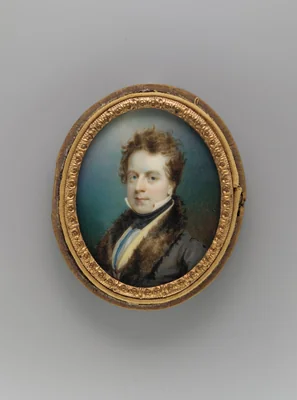
Cummings’s artistic career focused on the precise application of watercolor on ivory, capturing the likenesses of New York’s elite and their families. His technical precision is evident in works such as the compelling early Self-portrait, the sophisticated depiction of Frederick Gore King, and the expressive Benson John Lossing. These pieces reflect the standard expectation of high-status portraiture during the Federal and Jacksonian eras—detailed, small-scale works that served as cherished personal mementos long before the advent of affordable photographic prints. The complexity of composition is demonstrated further in his sensitive arrangement, Family Group (from McGuire Scrapbook).
His professional engagement extended well beyond his painting output. Cummings was a key co-founder and long-time official of the National Academy of Design (NAD), the institution that defined the standards and curriculum of American art for generations. His active period coincided with the peak and subsequent rapid decline of miniature painting, as the rising tide of the daguerreotype began to render the time-consuming medium commercially obsolete. Yet, his influence endured through his literary efforts.
Cummings famously documented his entire cohort and institutional history in the two-volume Historic Annals of the National Academy of Design (1865). This text remains the most exhaustive primary account of the NAD’s founding and early development, cementing Cummings’s role not merely as an artist but as the meticulous record-keeper of his own generation—a responsibility he undertook with considerable authority. Given the clarity and museum-quality detail of his work, such as the portrait of Gustavus Adolphus Rollins, there is continuing interest in Thomas Seir Cummings prints. Many of the original portraits now reside in the public domain, ensuring scholars and collectors can easily access and utilize high-quality prints for study.
Source: Wikipedia · CC BY-SA 4.0