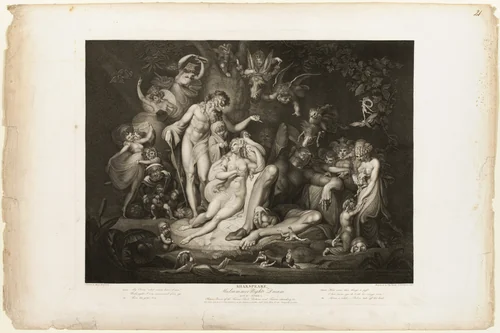
Thomas Ryder
Thomas Ryder (1746-1810) was a prolific English engraver whose active career spanned the late eighteenth and early nineteenth centuries. He specialized in reproductive engraving, a technically demanding medium that required exceptional dexterity to translate the textures and tones of complex oil paintings and sketches into detailed ink-on-paper prints. Ryder thus played a crucial role in popularizing the work of his contemporary painters across Europe and America. His masterful execution ensured the longevity of the images he captured, leading to their inclusion in prestigious institutional collections, including the Metropolitan Museum of Art, the National Gallery of Art, and the Art Institute of Chicago.
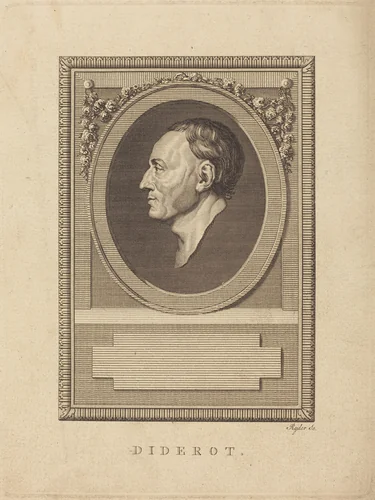
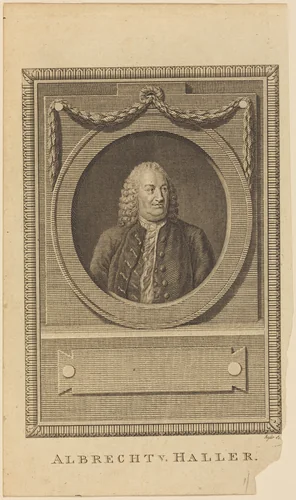
The scope of Ryder’s output was broad, ranging equally across high-minded intellectual portraits and lively theatrical or genre scenes. He is recognized for capturing the likeness of influential figures, notably the monumental portrait of the French philosopher Diderot and the detailed rendering of the Swiss polymath Albrecht V. Haller. Equally important was his ability to interpret the burgeoning social satire and dramatic comedy prevalent in Georgian Britain.
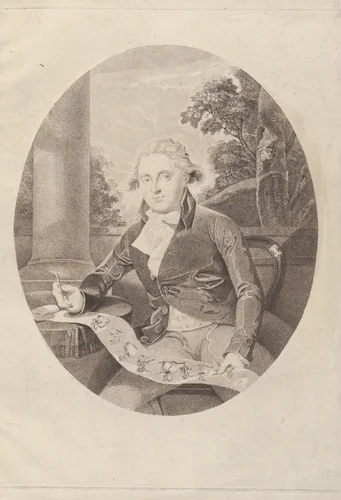
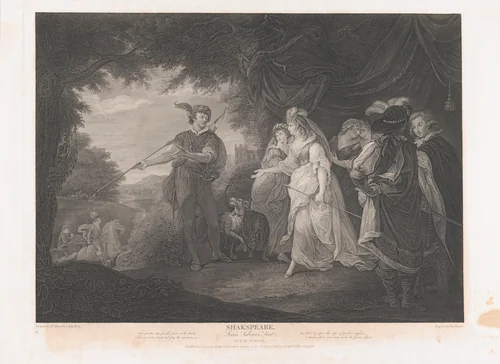
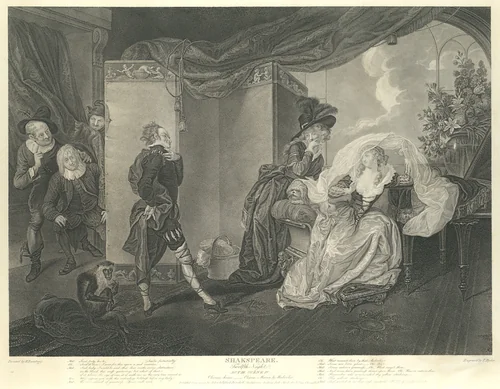
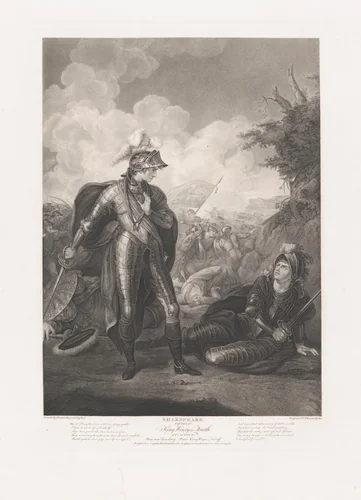
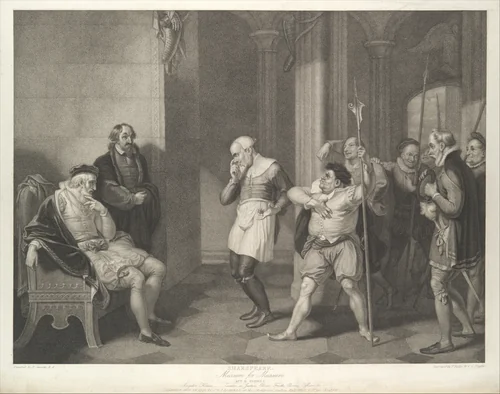
This connection to the social milieu of the time is perhaps best exemplified by his work after Henry William Bunbury, specifically Henry William Bunbury Drawing his "Long Minuet". This image captures the often-comical posturing of fashionable society, demonstrating Ryder’s rare skill of translating the immediate wit of a sketch into the technical permanence of an engraved plate. While he seldom originated the designs he printed, the high-quality prints produced by Ryder ensured the legacies of the artists whose work he championed. He also contributed significantly to the dissemination of Shakespearean iconography, with plates like The Princess, Rosaline, etc. (from Love’s Labour Lost). For contemporary audiences, the surviving impressions of Thomas Ryder prints remain vital; many of his important works are now housed within the public domain, offering historians and researchers direct access to the visual culture of the Georgian age.
Source: Wikipedia · CC BY-SA 4.0