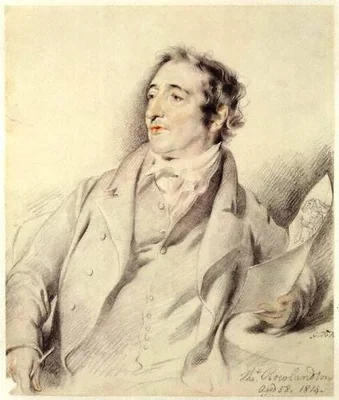
Thomas Rowlandson
Thomas Rowlandson stands as one of the most significant visual commentators of the Georgian Era, transforming the nascent art of caricature into a powerful vehicle for political and social observation. Active throughout the late eighteenth and early nineteenth centuries, Rowlandson established himself as both an accomplished draftsman and an unparalleled satirist, capturing the vigor and absurdity of British life with relentless energy. His prolific output bridged the worlds of fine art and mass-produced graphics, ensuring that Thomas Rowlandson prints circulated widely among the populace, influencing popular perceptions of power and morality.
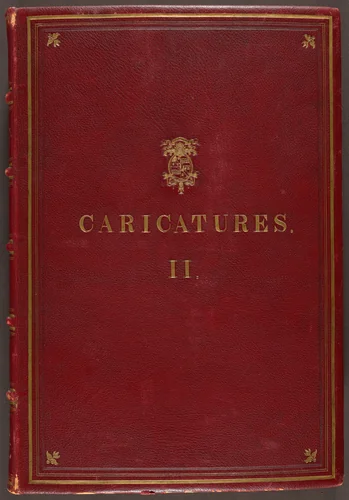
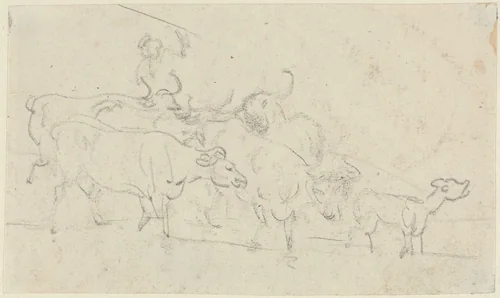
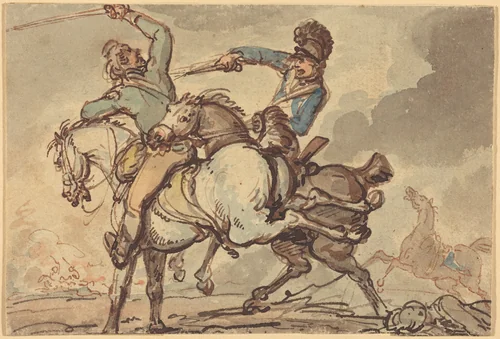
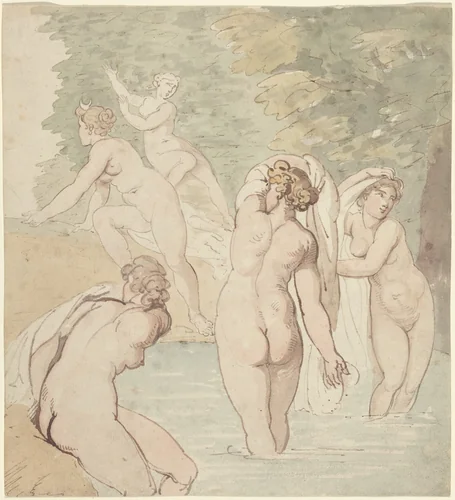
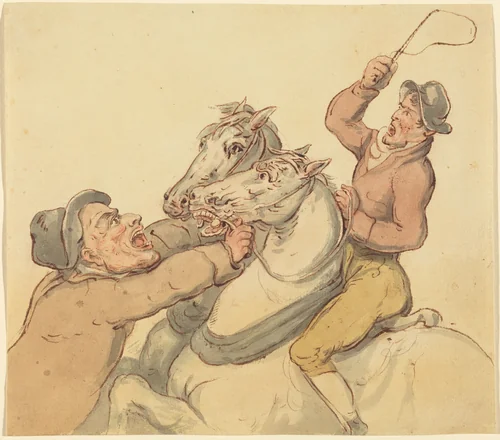
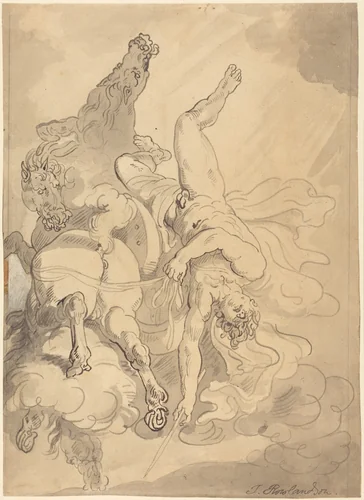
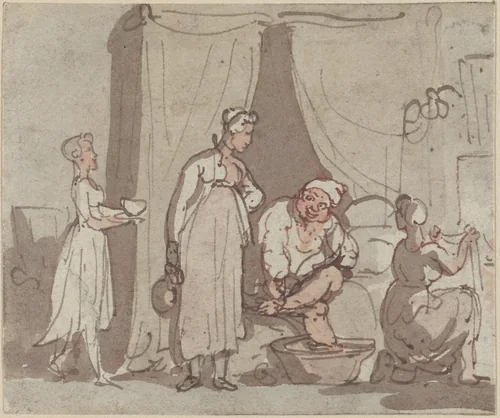
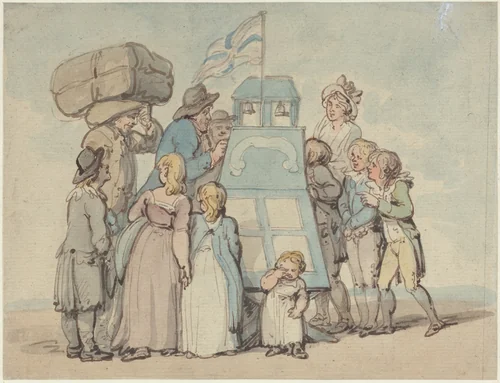
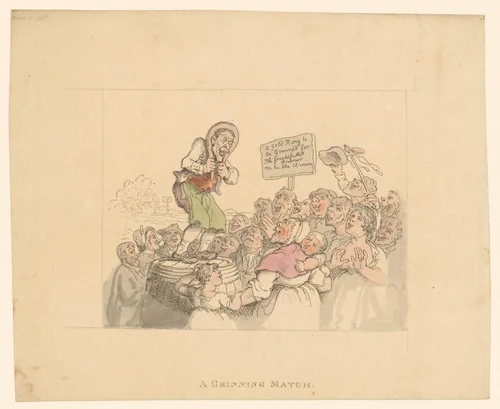
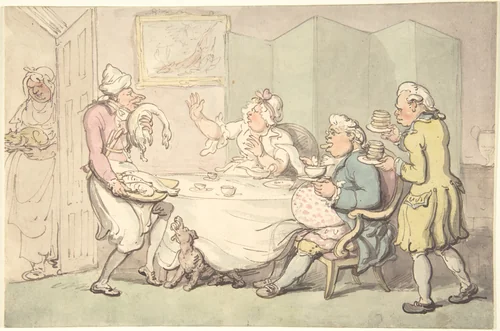
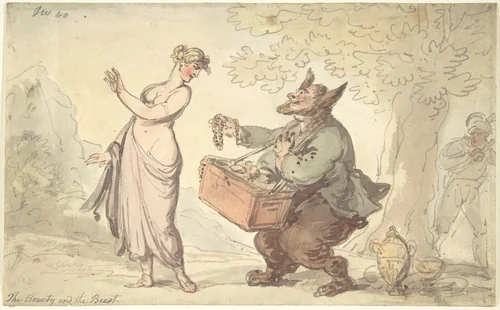
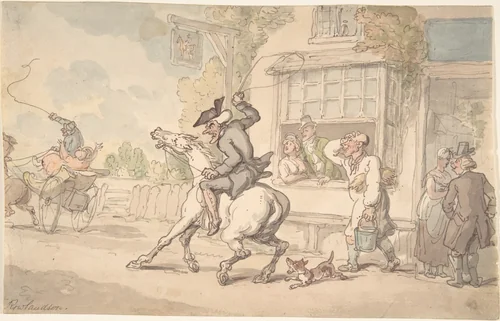
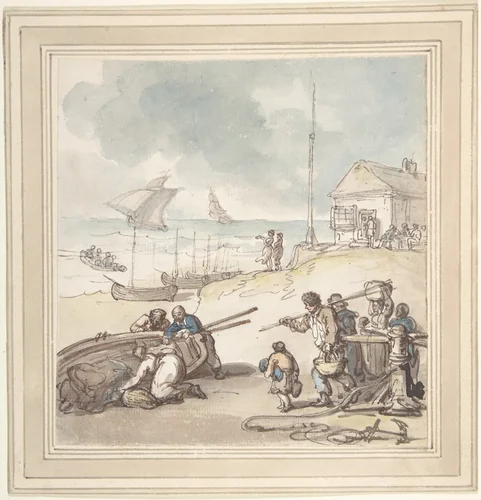
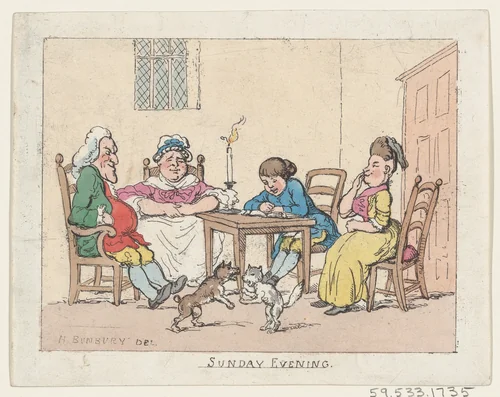
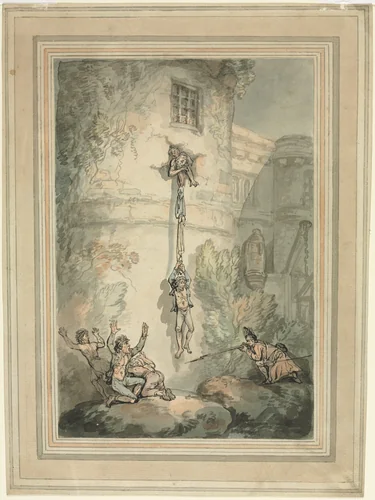
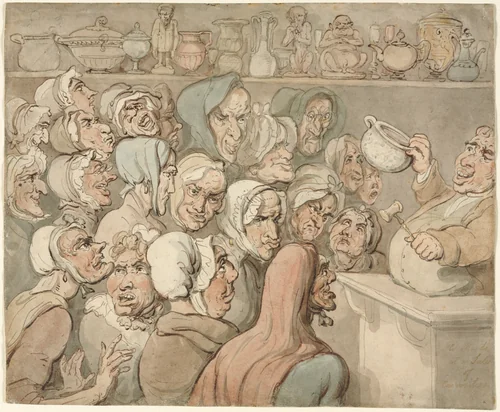
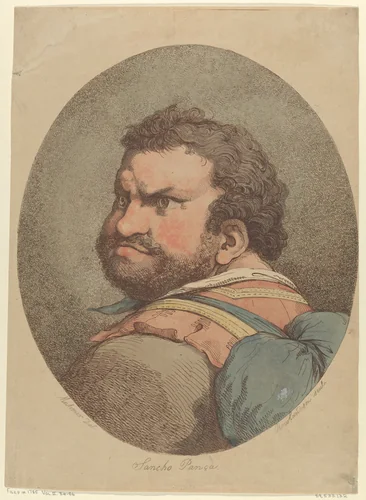
Rowlandson’s artistic approach was characterized by a fluid, vigorous line, often using pen and wash to create compositions of immense vitality. Unlike many of his contemporaries who focused exclusively on portraiture or high-minded subjects, Rowlandson moved effortlessly between genres. He produced studies that demonstrate technical mastery, such as Drovers with a Pair of Rearing Horses or the mythological scene Diana and Her Nymphs Bathing, while simultaneously developing caustic political satires. This dual capacity allowed him to illustrate everything from elegant topographical volumes to collections of robust, bawdy social commentary, often published in volumes like Caricatures (volume II).
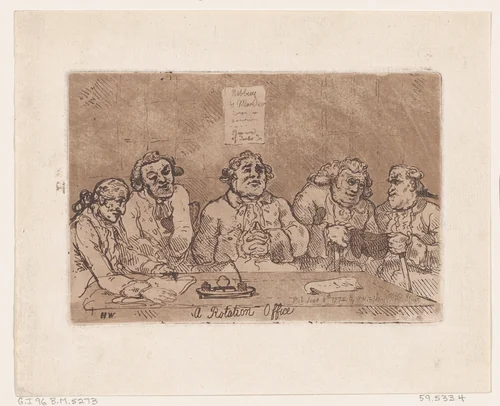
His critical lens spared few, targeting the highest echelons of society and politics, from the extravagant Duchess of Devonshire to powerful international figures like William Pitt the Younger and Napoleon Bonaparte. Like James Gillray, a major figure in the same tradition, Rowlandson utilized exaggeration and exaggeration to deliver potent, often coarse, commentary. Yet, his influence extended beyond the public sphere. Intriguingly, while his commercial work was universally available, Rowlandson maintained a small, private practice producing erotica for a select clientele, works which remained unpublished and largely sequestered during his lifetime.
Today, Rowlandson’s impact is measured not only by the enduring social record contained within his work but also by the extensive holdings in institutions globally, including the Rijksmuseum and the Metropolitan Museum of Art. His importance ensures that many of his key works now reside in the public domain, offering access to high-quality prints and downloadable artwork, allowing contemporary viewers to appreciate the sheer scope and wit of this essential Georgian chronicler.
Source: Wikipedia · CC BY-SA 4.0