Thomas Pingo
Thomas Pingo was a premier English medallist and die engraver of the mid-eighteenth century, known for his integral role in shaping the official numismatic and commemorative landscape of Georgian Britain. Born in London in 1714, he established himself as a central figure within the machinery of state artistry, executing sensitive commissions for the Royal Mint over several decades. His active professional period, recorded from 1746 to 1790, spanned the reigns of two significant monarchs, securing his reputation as a trusted purveyor of official iconography.
Although earlier art history presumed Pingo to be an Italian émigré who arrived in England around 1742, modern research has definitively placed him as the son of Thomas Pingo Sr. of Plumbtree Court. The Pingo family maintained a traceable, established presence in the Parish of St Martins-in-the-Fields starting in the 1650s, firmly rooting Thomas Pingo as an indigenous London craftsman whose lineage was deeply woven into the city’s complex, competitive trade system. This correction solidifies his place not as a foreign import, but as a crucial inheritor of native English medallic tradition.
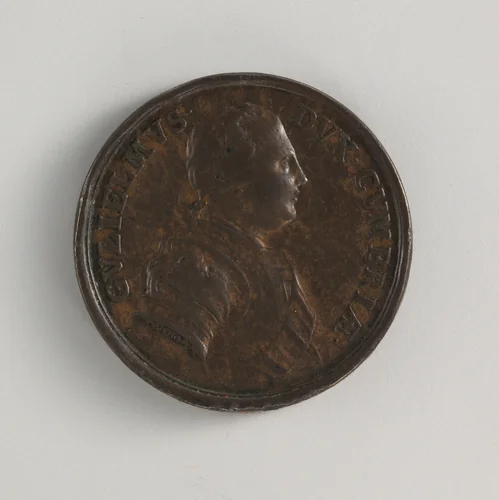
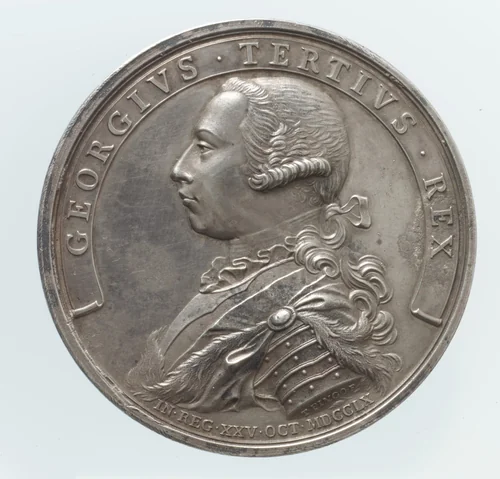
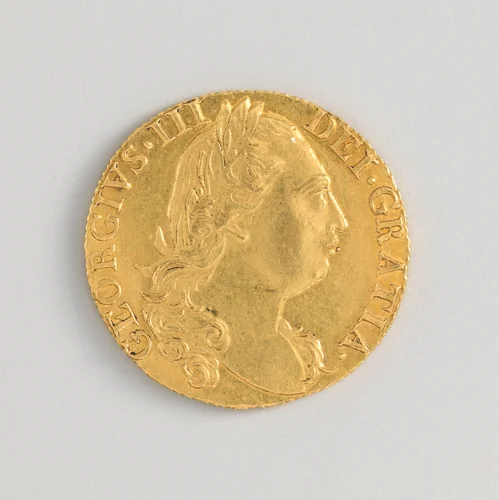
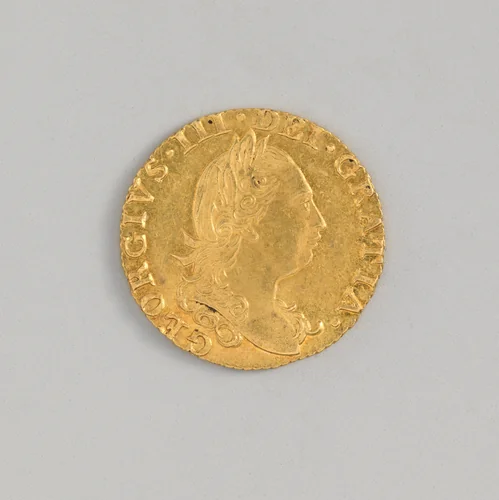
Pingo’s primary responsibilities involved the precise execution of dies for both currency and civic awards, providing a museum-quality record of commercial and political life. Chief among his official output was the coinage produced for the ascending monarch, documented through works such as the dies for the George III guinea and the George III half guinea, which standardized the king’s official profile across the realm. He also contributed to major political statements, including a medal commemorating the Accession of King George III.
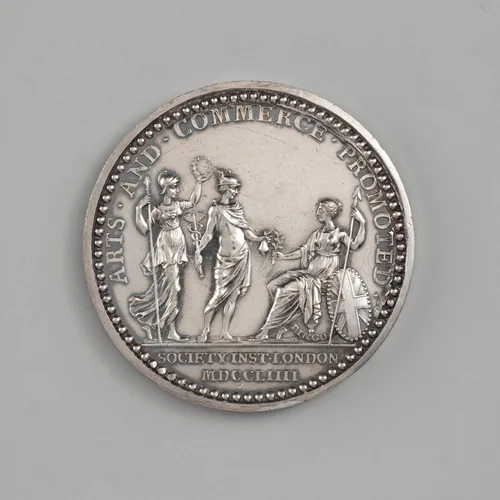
Beyond currency, Pingo demonstrated considerable versatility in commemorative tokens and honors. Examples include the Theatre Royal Covent Garden Token, which documents London’s burgeoning entertainment economy, and the sophisticated design for the London Royal Society of Arts Medal. Though he is not known for Thomas Pingo paintings, his masterful precision as an engraver ensures that his small-scale metallic arts, held in prestigious institutions such as the Metropolitan Museum of Art, are meticulously documented. These works are frequently available as royalty-free downloadable artwork, allowing scholars worldwide to study his craftsmanship and enduring historical impact.