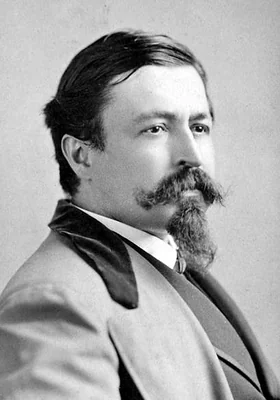
Thomas Nast
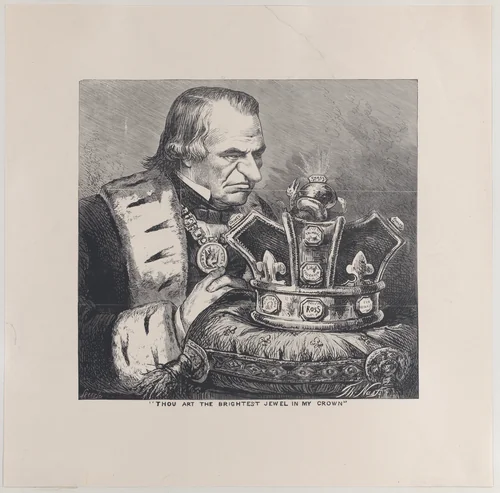
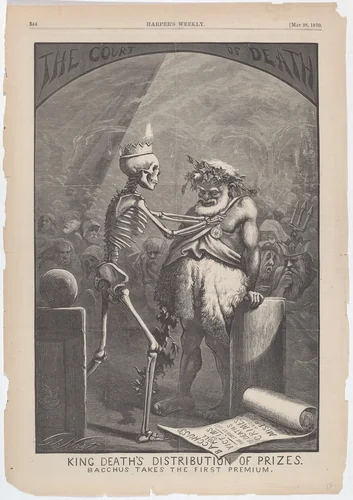
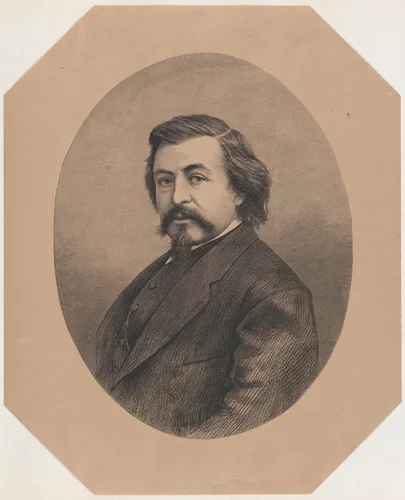
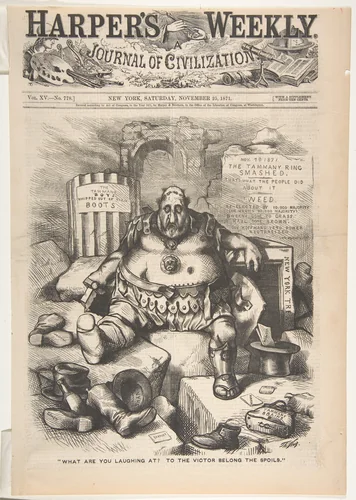
Thomas Nast was the German-born American artist whose innovative visual language fundamentally defined the genre of editorial cartooning in the United States. Widely recognized as the "Father of the American Cartoon," Nast used the power of mass-reproduced illustration to engage directly with the political and social upheavals of the mid-nineteenth century, transforming pictorial journalism into an instrument of political influence.
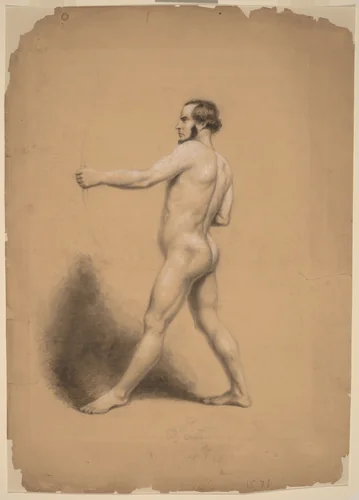
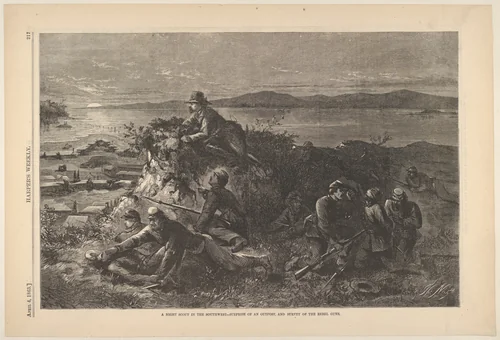
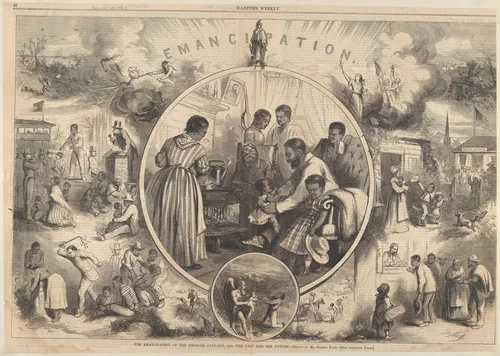
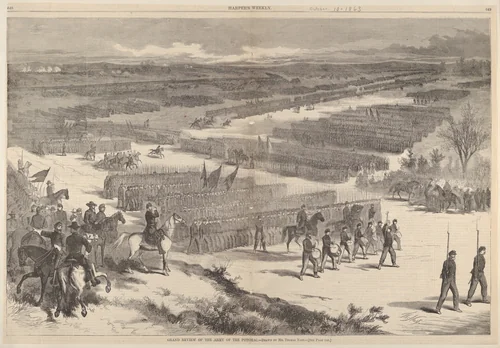
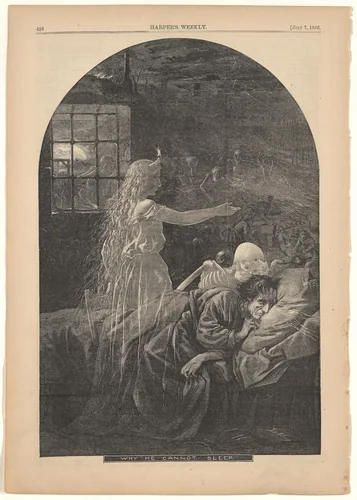
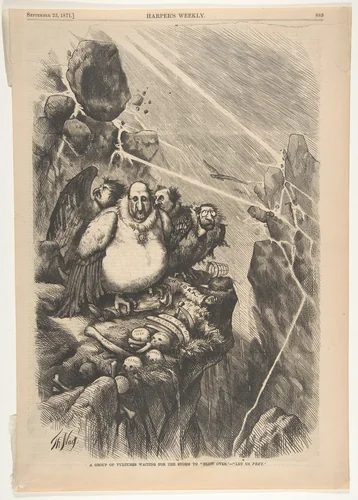
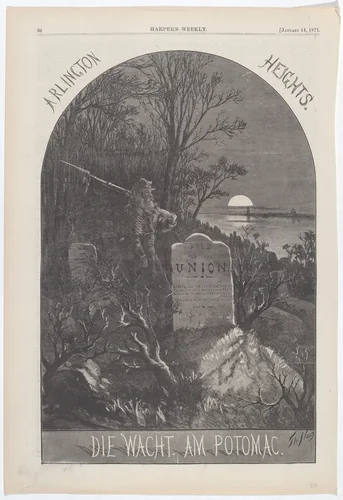
Operating primarily through the highly influential illustrated periodical Harper’s Weekly, Nast’s tenure coincided with the Civil War and Reconstruction eras, allowing him to serve as a pivotal visual chronicler. Unlike earlier illustrators, Nast pioneered the development of enduring visual symbols that allowed complex political arguments to be instantly graspable by a broad populace. His technical skill across both drawing and printmaking provided the foundation for his formidable output. Early works, such as the detailed study Archer, Nude Study, contrast sharply with the urgency of journalistic illustrations like A Night Scout in the Southwest – Surprise of an Outpost, and Survey of the Rebel Guns, demonstrating a versatile command of form.
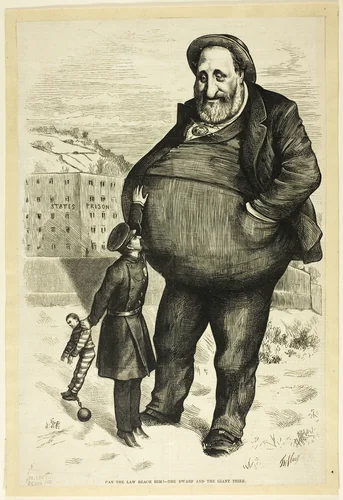
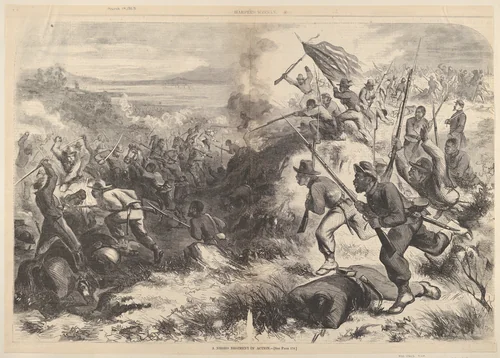
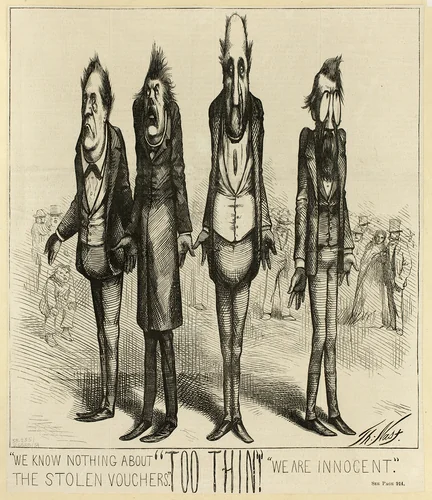
His immediate and often devastating critiques of corruption and injustice made him one of the most powerful and feared commentators of his day. The print Can the Law Reach Him? encapsulates the moral urgency he injected into journalistic illustration, forcing readers to confront societal failings through stark, dramatic imagery. Works related to conflict, such as A "Negro" Regiment in Action, solidify his role in documenting the shifting dynamics of the era.
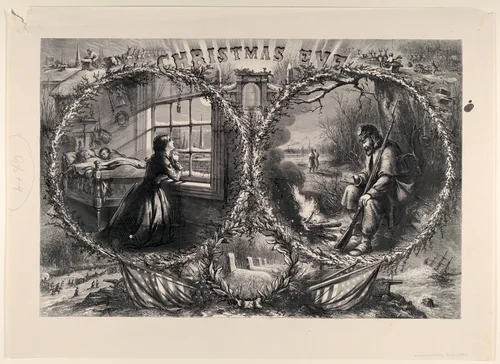
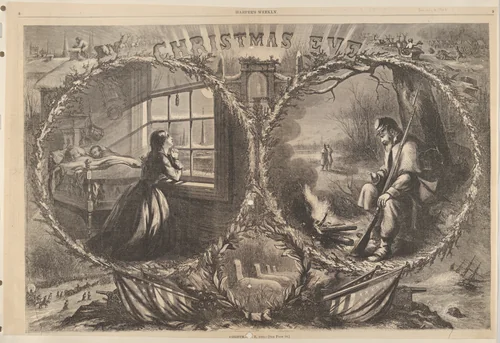
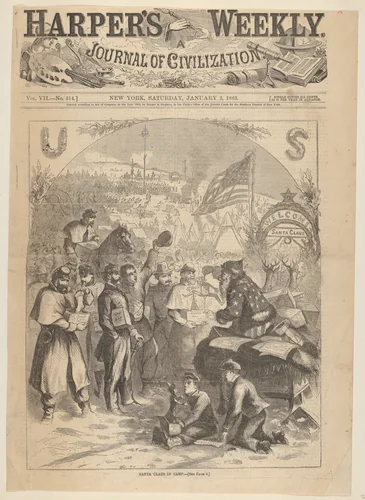
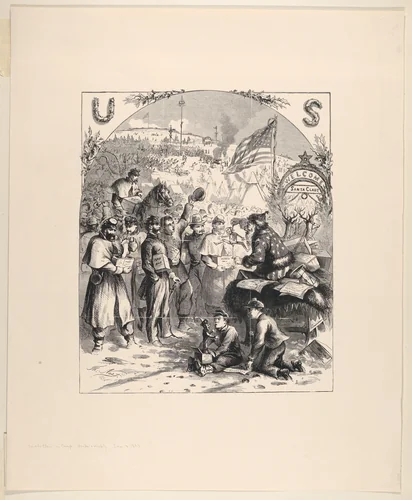
Nast’s legacy extends far beyond political commentary. It is perhaps his greatest understated achievement that many of the visual symbols essential to American culture today originated from his pen. He is credited with establishing the enduring visual form of Santa Claus and, crucially, for popularizing the donkey and the elephant as the respective symbols for the Democratic and Republican parties. Due to their historical significance and the technical mastery evident in his originals, Nast’s drawings and high-quality prints are essential holdings in major institutions, including the National Gallery of Art, the Metropolitan Museum of Art, and the Art Institute of Chicago. Today, a significant portion of his substantial output resides in the public domain, allowing for the widespread access and study of these museum-quality narratives.
Source: Wikipedia · CC BY-SA 4.0