Thomas Moran
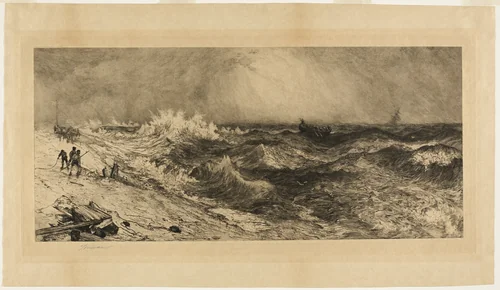
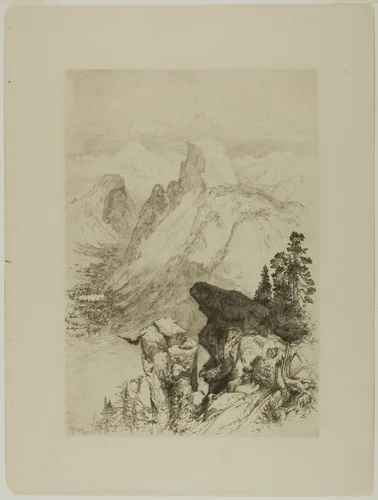
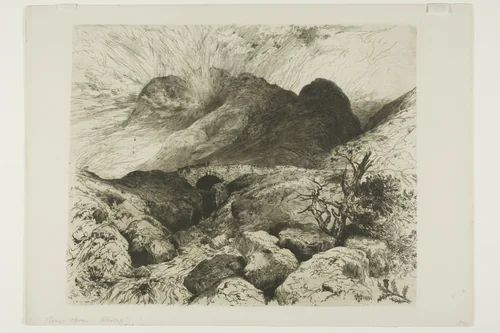
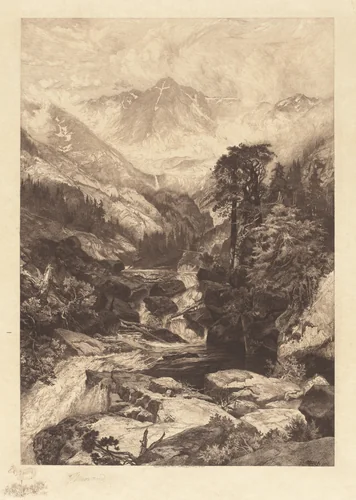
Thomas Moran (1837-1926) stands as an indispensable painter and printmaker of the late nineteenth-century American artistic establishment, recognized primarily as a leading figure of the Hudson River School. His work provided the definitive visual lexicon for the American West, transforming the Rocky Mountains and Yellowstone into cultural icons through the language of grand Romantic landscape.
Moran built his career upon a foundation of technical mastery developed in the sophisticated environment of New York. Sharing a studio with his older brother, the noted marine artist Edward Moran, Thomas cultivated his skills as both a talented illustrator and an exquisite colorist. This early professional acumen led to an influential post at Scribner’s Monthly, where he resided with his own family, including his wife Mary Nimmo Moran, an accomplished artist in her own right. By the late 1860s, Moran had risen to chief illustrator for the magazine, a position that launched his transition from commercial graphic work to fine art painting on a monumental scale.
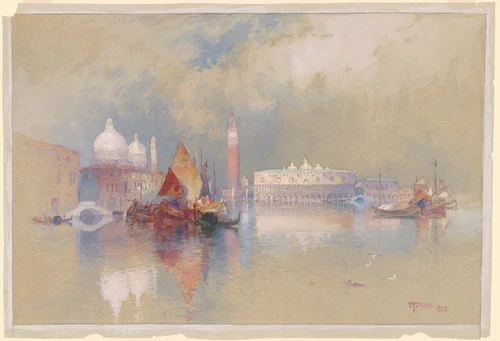
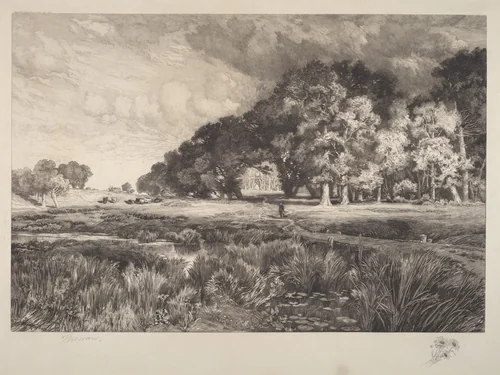
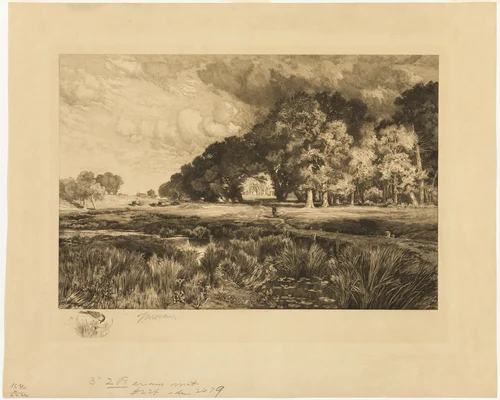
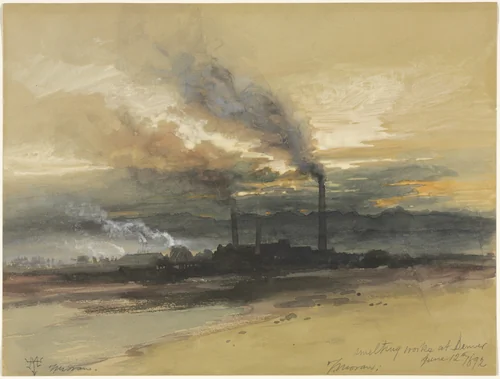
His versatility across media is reflected in his diverse output; documentation confirms a substantial body of drawings, paintings, and prints spanning his key active period (1862-1880). Whether capturing the atmospheric industrial realism of St. Paul's from Under Waterloo Bridge, Low Tide or the intimate mood of The Juniata, Evening, Moran demonstrated profound control over light and perspective.
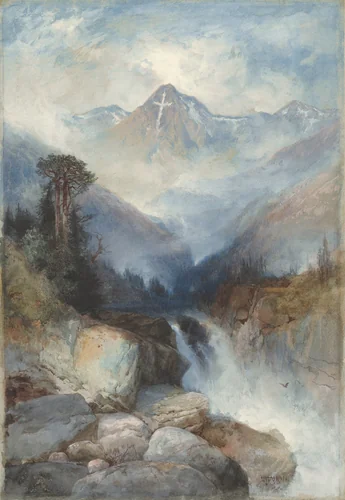
Moran’s enduring historical significance stems from his participation in exploratory expeditions to the American interior. His resulting grand canvases, synthesizing field sketches and artistic imagination, provided the public with their first dramatic, widely accessible images of the Western territories. This marriage of high-quality illustration and painting, exemplified by works such as Minerva Terrace, Yellowstone, cemented his reputation as the foremost chronicler of the new national landscape. Today, these seminal Thomas Moran paintings are preserved in major American institutions, including the Art Institute of Chicago and the National Gallery of Art. Thanks to institutional preservation efforts, a vast selection of his work, including high-quality prints, is frequently available in the public domain for research and appreciation.
Source: Wikipedia · CC BY-SA 4.0