Thomas Monro
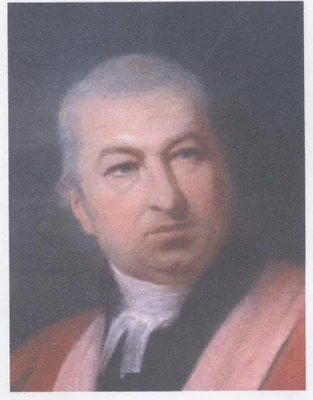
Dr. Thomas Monro (1759-1833) occupies an unusual, yet foundational, position in the trajectory of British watercolor painting. While widely known as a physician and collector, his enduring legacy stems from his role as an influential patron who inadvertently established a critical training ground for the next generation of landscape masters, notably J.M.W. Turner and Thomas Girtin.
Operating from his house at Adelphi Terrace, Monro provided young, promising artists free access to his extensive collection of topographical drawings and Old Master prints, encouraging them to copy and interpret the works by candlelight. These informal evening sessions fostered a spirit of technical experimentation and spontaneity that fundamentally shifted British landscape representation away from rigid classicism towards the dynamism of Romanticism.
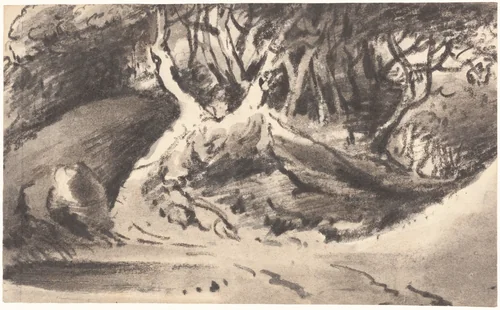
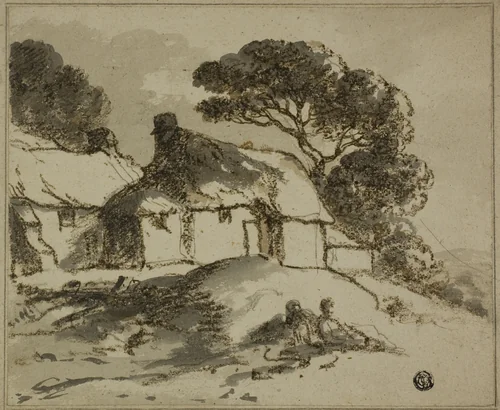
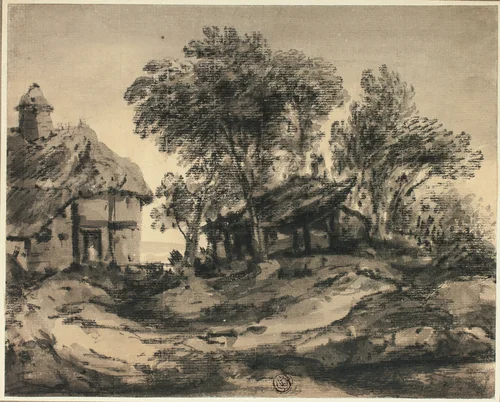
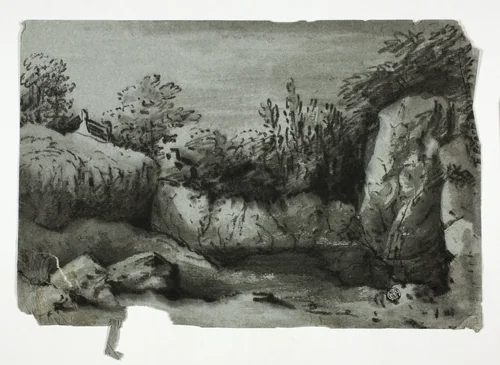
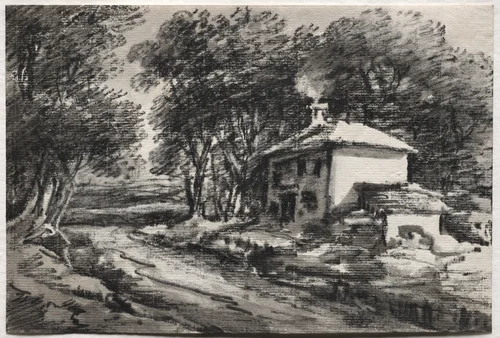
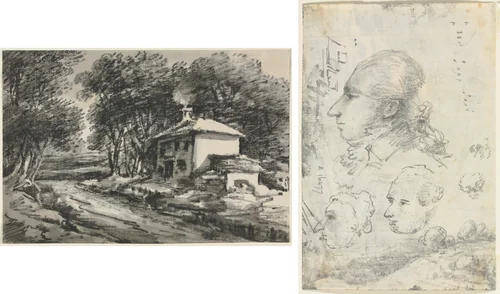
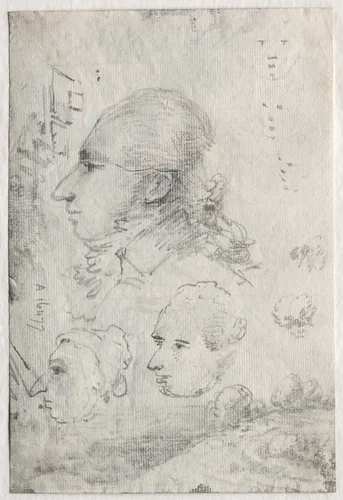
Monro’s own surviving oeuvre, comprising a modest catalogue of drawings, demonstrates the fluid, suggestive style he advocated. Works such as Wooded Landscape, Cottages and Trees on Hillside, and Rocky Pool reveal a confident application of brown and gray washes, often prioritizing rapid execution and atmospheric effect over precise detail. These studies, which include Landscape with Cottage (recto), exemplify the quick, experimental approach that became the hallmark of the developing watercolor school. The availability of studies and reproductions often sought by researchers, known as Thomas Monro prints, underscores the ongoing academic interest in this period.
His significance lies not only in his direct output but in the intellectual atmosphere he cultivated. He amassed a remarkable collection that included works by Canaletto and Gainsborough, positioning him at the center of London’s artistic society. The informal tutoring sessions at Adelphi Terrace, where artists were allegedly paid with dinner and half a crown to copy masterpieces, provided an invaluable education to men who would later define the field. Today, his drawings are considered museum-quality examples of late eighteenth-century British art and are held in major institutions, including the Art Institute of Chicago and the National Gallery of Art. Historians often access the records related to his collection, now in the public domain, to better understand this pivotal era. Scholars recognize Monro’s home as the crucible where modern British watercolor was truly forged.
Source: Wikipedia · CC BY-SA 4.0