Thomas Holloway
The name Thomas Holloway spans an intriguing, nearly two-century period within the history of printmaking, though the foundational artistic reputation rests primarily on the English draftsman and engraver active in the late eighteenth and early nineteenth centuries. Holloway is recognized for his exacting skill in academic reproduction and original design, and his significant output is preserved today in essential institutions, including the Rijksmuseum, the National Gallery of Art, and the Metropolitan Museum of Art.
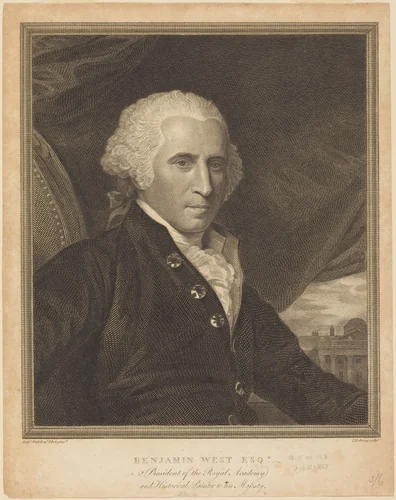
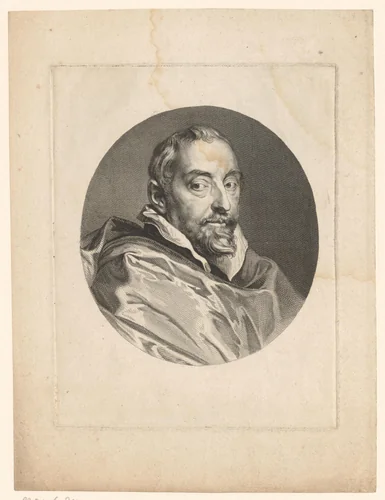
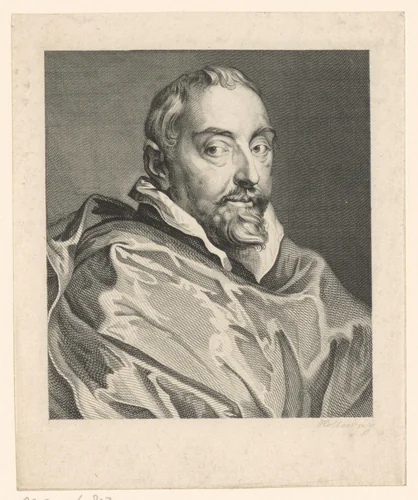
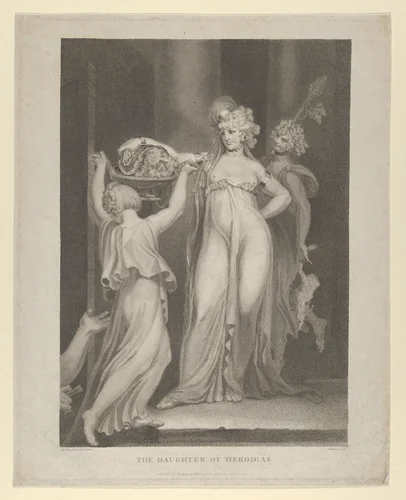
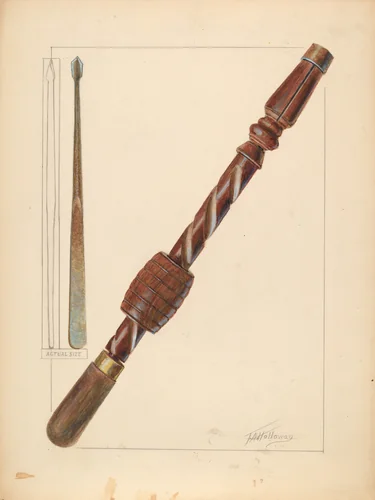
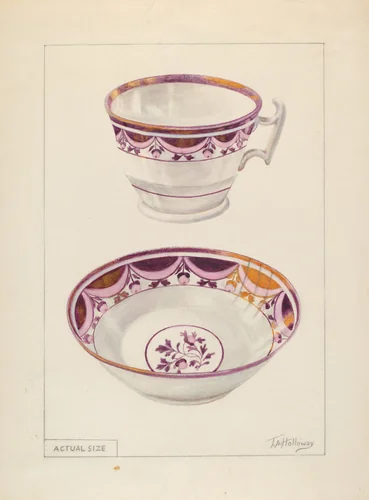
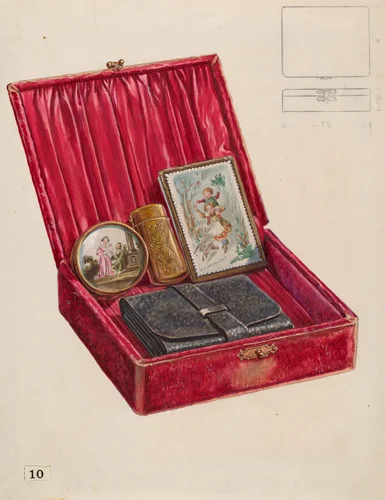
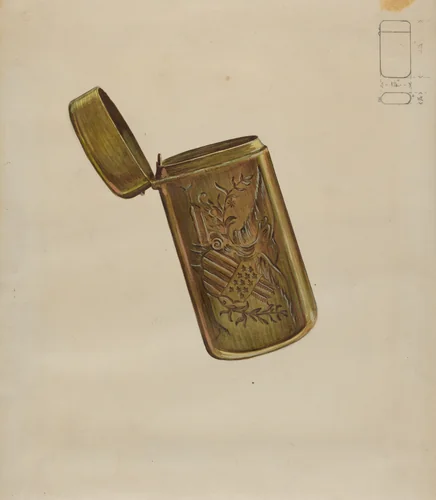
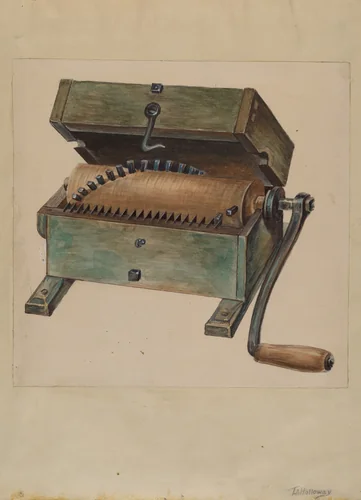
Holloway specialized in subjects demanding historical accuracy and profound technical skill, often translating established masters into widely disseminated copperplate engravings. His portfolio, which includes eleven specific designs indexed within the American historical record, shows a particular affinity for classical figurative work and portraiture. Notable examples held in major collections include the detailed study of the Portret van Antonius Triest and the dramatic rendering of the New Testament scene, The Daughter of Herodias (Salome Receiving the Head of John the Baptist, Matthew 14:10-11). These works, often executed as high-quality prints, provided necessary access to crucial historical and religious imagery across Europe and America during a period when such reproductions were the primary means of artistic dissemination. Even practical subjects, such as his rendering of the Hand Tool, demonstrate the precise draftsmanship underlying his varied practice.
The historical record presents a peculiar dual identity for the name: while the artistic legacy is cemented through these precise Thomas Holloway prints, records also indicate an English individual of the same name who was a successful businessman and notable philanthropist. It is a curiously apt observation that an artist whose skill was dedicated to the painstaking reproduction of established masterpieces often operates outside the limelight of the original creators. Yet, Holloway’s impact on visual culture is undeniable; his technical excellence ensured the widespread proliferation of images, long before photography became ubiquitous. This dedication to craft means many of these detailed renderings are now accessible as downloadable artwork, having entered the public domain. The enduring collection and study of his works, spanning production and acquisition dates from 1748 to 1936, cements his place as an indispensable master of academic printmaking.