Thomas Hearne
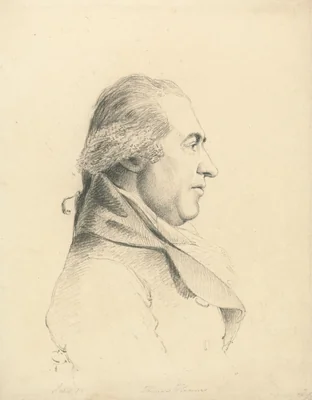
Thomas Hearne (1744-1817) stands among the most sophisticated English landscape artists of the late 18th and early 19th centuries, recognized particularly for his pioneering influence in the development of the British watercolor tradition. Though sometimes conflated with the Oxford antiquarian of the same name, the artist Hearne built his reputation on meticulously composed drawings that bridged the era of strict topographical documentation with the emerging Romantic sensibility.
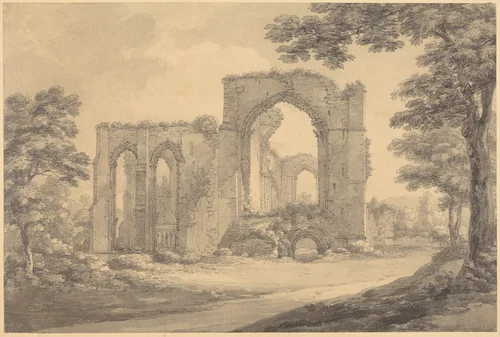
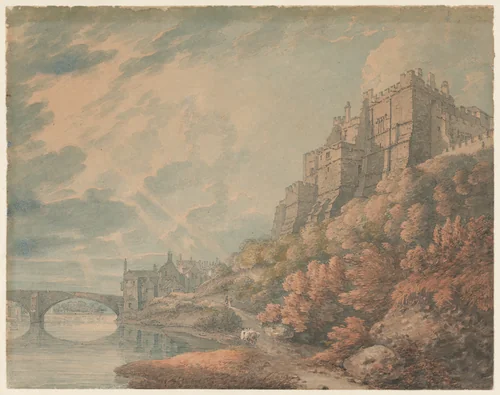
After completing studies under the noted engraver William Woollett, Hearne found success illustrating antiquarian travel books, developing a technique defined by precision and atmospheric subtlety. He mastered the application of wash, tint, and line work to create a veritable repertoire of British ruins and domestic scenery, including views like Furness Abbey and the detailed architectural study, Durham Castle and Framwellgate Bridge from the Banks of the River Wear. These works elevated the status of the landscape drawing from preparatory sketch to finished artwork.
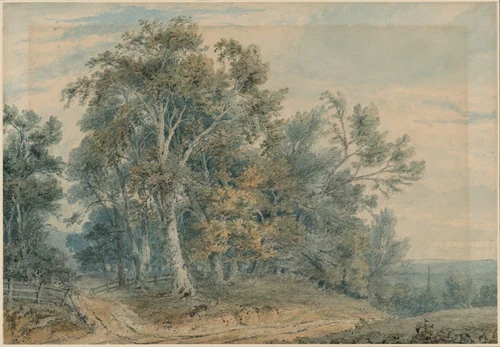
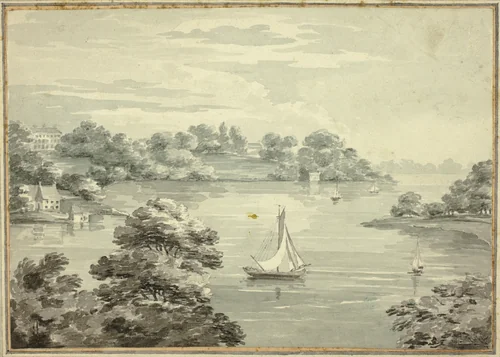
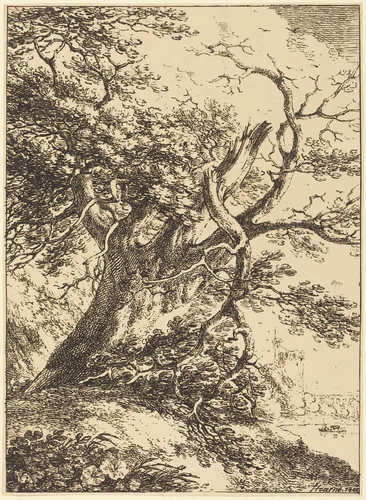
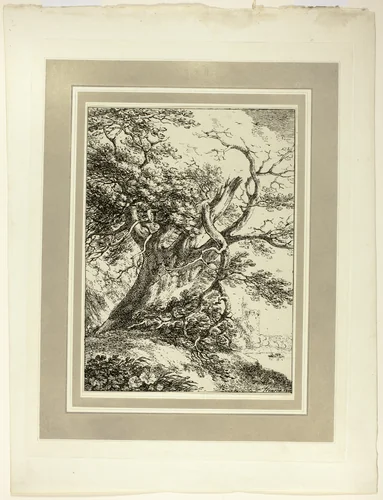
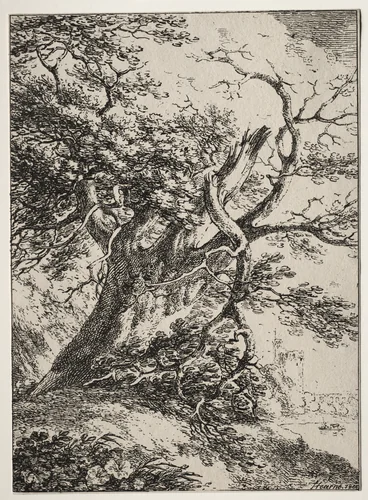
Hearne’s genius lay in his ability to imbue architectural recording with emotional resonance. Unlike his contemporaries who often focused solely on structure, Hearne introduced a profound sense of place, frequently isolating monumental subjects against sweeping, nuanced skies, as exemplified by his stark study of nature, Old Tree. His output also included delicate scenes of leisure and watercraft, such as Sailing Boats on Lake with Houses near Shore, demonstrating a versatile approach to composition.
His drawings proved highly suitable for reproduction. His collaboration with engravers resulted in influential series like The Antiquities of Great Britain (1778-1807), which helped define the visual vocabulary for romantic nationalism. The pervasive reach of these resulting Thomas Hearne prints solidified his legacy. Today, major institutional holdings, including the National Gallery of Art and the Cleveland Museum of Art, ensure that high-quality prints and downloadable artwork of his primary drawings remain accessible. Given the artist’s prolific output and his death date in 1817, his entire body of work rests securely in the public domain, available royalty-free for contemporary study and enjoyment.
Source: Wikipedia · CC BY-SA 4.0