Thomas Hartley Cromek
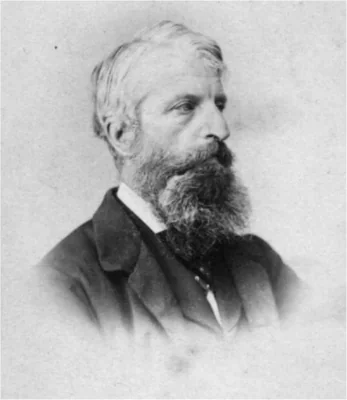
Thomas Hartley Cromek (1809-1873) was an English painter and draughtsman whose legacy rests upon a significant body of detailed topographical work documenting classical sites and romantic scenery across the Mediterranean. Active primarily between 1825 and 1846, Cromek established himself as a meticulous visual chronicler, appealing directly to the enduring European fascination with antiquity and the demands of the extended Grand Tour.
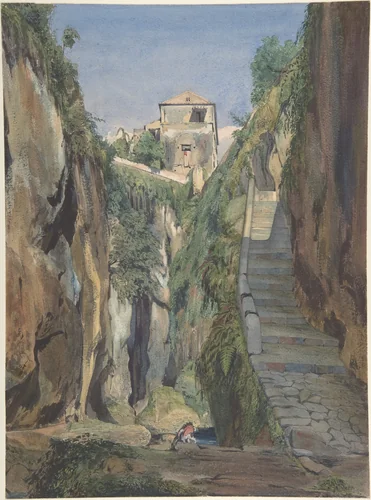
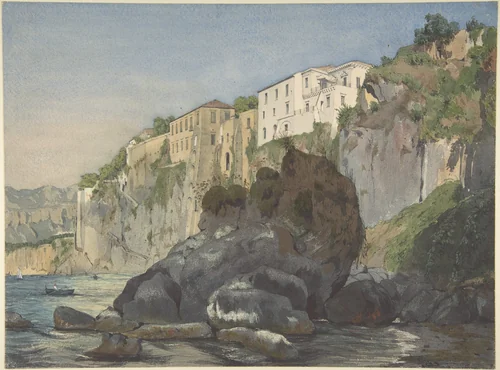
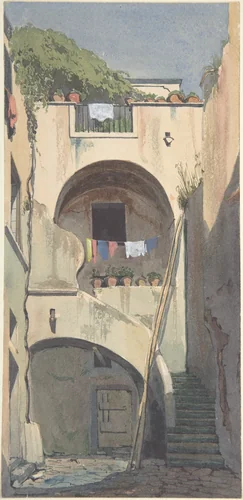
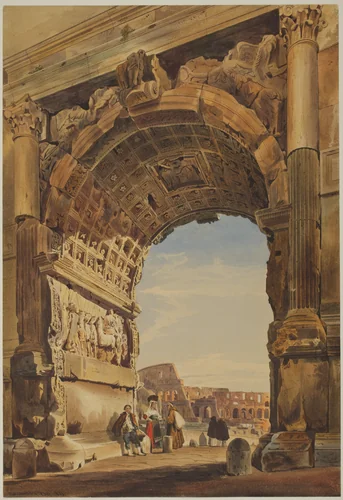
Cromek spent considerable time navigating Italy, focusing his attention on rendering both the monumental and the everyday with disciplined clarity. His Italian repertoire demonstrates a keen sensitivity to both architectural structure and the quality of Mediterranean light. His works from Campania, such as A Glen in Sorrento and the related studies Houses at Sorrento and A House at Sorrento, eschew the overt drama often favored by his contemporaries, prioritizing instead observational rigor. This careful documentation placed him firmly within the British topographical tradition, though his aesthetic preference leaned toward factual presentation rather than picturesque exaggeration. These detailed records provide an invaluable window into the urban and natural environment of the 19th-century peninsula, appealing directly to travelers who sought visual evidence of the sites they encountered.
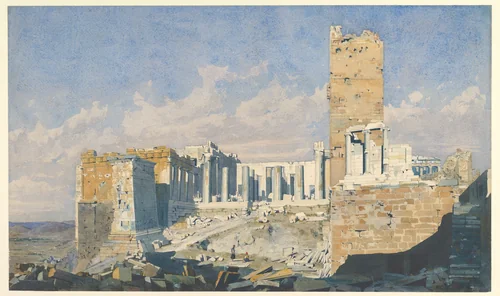
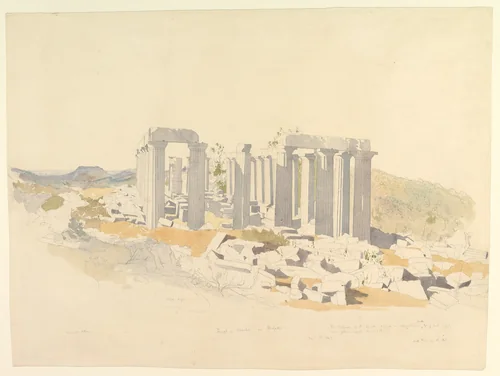
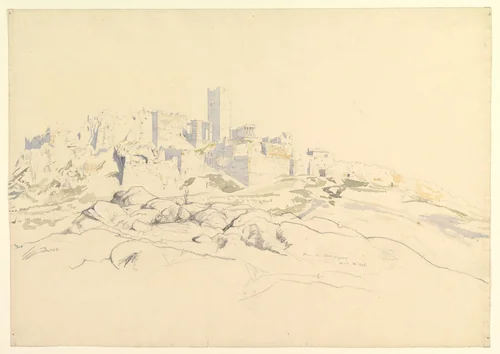
His voyages extended eastward, yielding historically significant views of ancient Greek architecture. Drawings like The Acropolis from the West, with the Propylaea and the Temple of Athena Nike, Athens and the focused study The Temple of Apollo at Bassae serve as important visual archives. These works capture the iconic structures at a crucial moment in their history, providing highly accurate, museum-quality documentation before the extensive conservation and reconstruction projects of the modern era.
While his historical record is brief, Cromek’s output reveals him to be a diligent practitioner whose meticulous approach ensured the longevity of his imagery. It is perhaps an understated observation that Cromek seems to have viewed the world not as a source of romantic allegory, but as a series of intricate geometric problems to be solved with pencil and wash. His surviving works, held in distinguished North American collections including the Metropolitan Museum of Art and the Cleveland Museum of Art, affirm his historical status. Due to the age of the originals, many of the Thomas Hartley Cromek prints are now within the public domain, allowing for the free art prints and circulation of high-quality prints for modern accessibility.
Source: Wikipedia · CC BY-SA 4.0