Thomas Hardwick
Thomas Hardwick (1752–1829) holds a significant position in the history of English Neoclassical architecture, though his early artistic legacy rests primarily on a concise corpus of high-quality drawings produced during the formative years of his career, specifically between 1770 and 1776. A foundational member of the Architects' Club in 1791, Hardwick’s professional achievements were intrinsically tied to the rigorous academic traditions of the era. The surviving fifteen drawings, now conserved in prominent institutions like the Metropolitan Museum of Art, are not mere sketches; they are precise, museum-quality presentations of classical rigor.
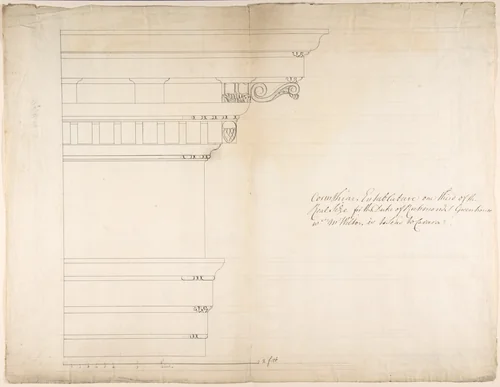
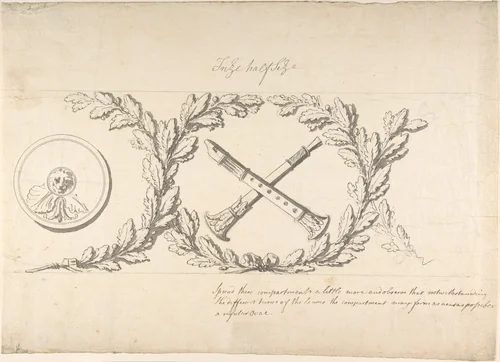
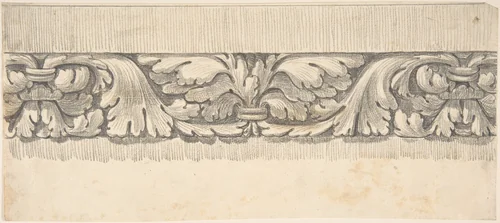
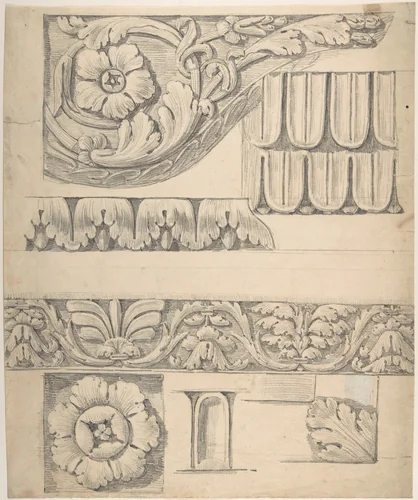
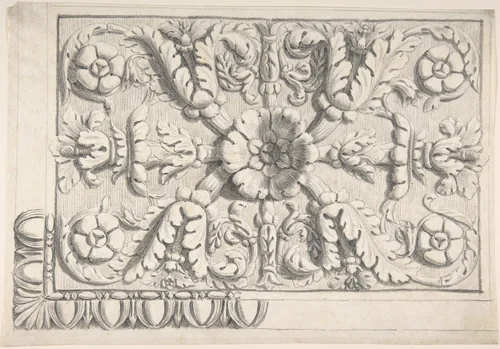
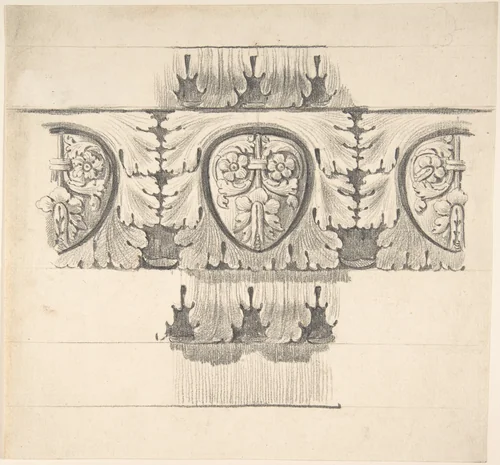
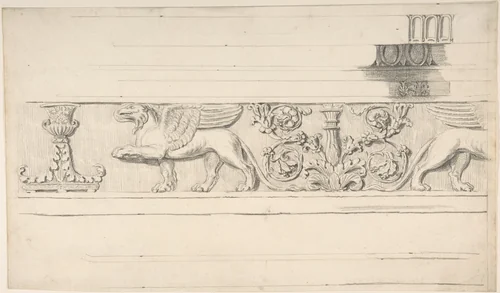
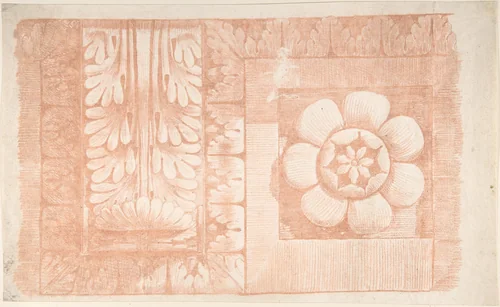
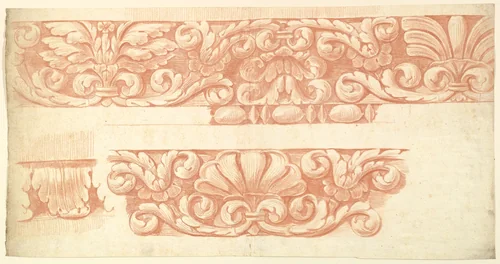
Hardwick’s early work demonstrates a keen focus on executing the established architectural orders, visible in studies such as Design for a Corinthian Entablature for the Duke of Richmond, which likely informed structures at Richmond House in Whitehall or the estate at Goodwood. Other pieces reveal an intense interest in ornamental detailing required for interior and exterior enrichment. The elaborate Design for a Frieze Ornamented with Musical Instruments is a prime example of the refined taste expected from patrons of the period. These detailed studies functioned as both essential academic exercises and practical blueprints for execution.
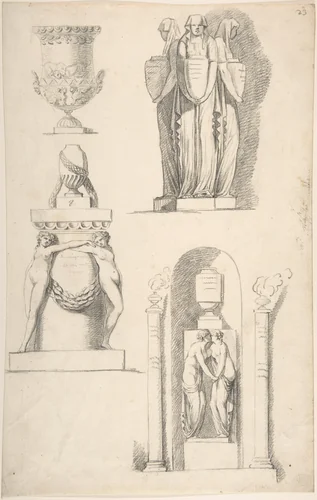
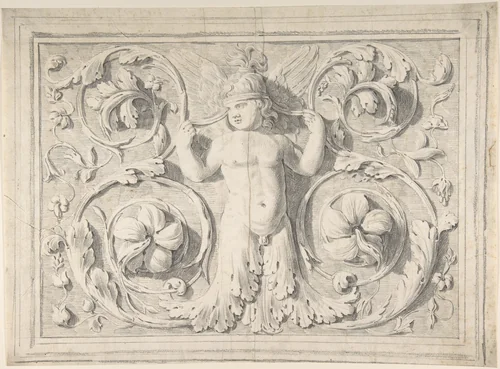
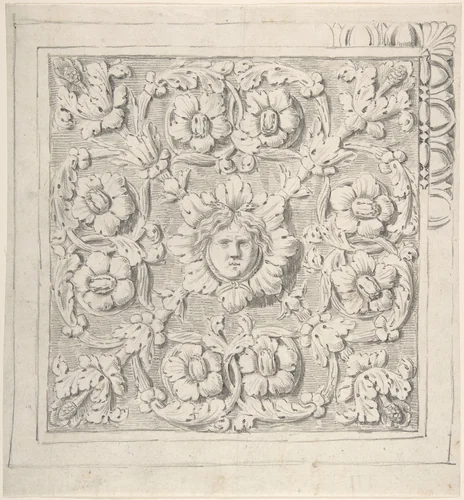
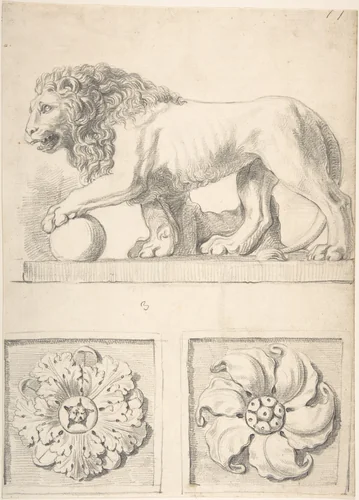
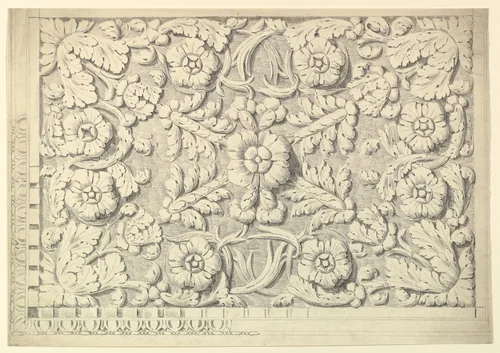
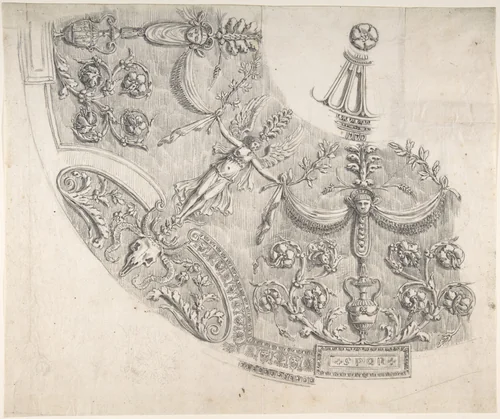
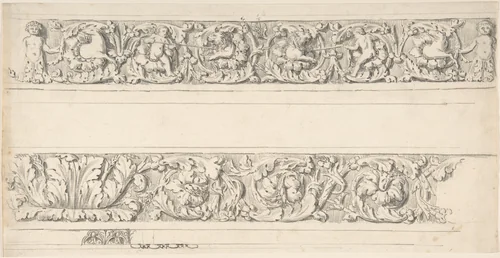
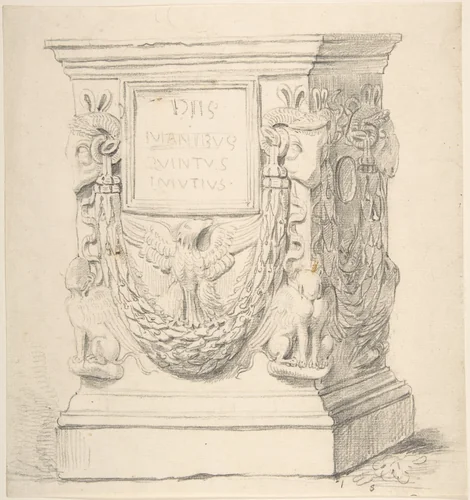
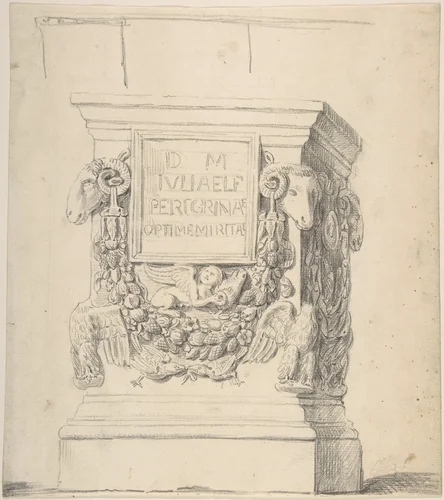
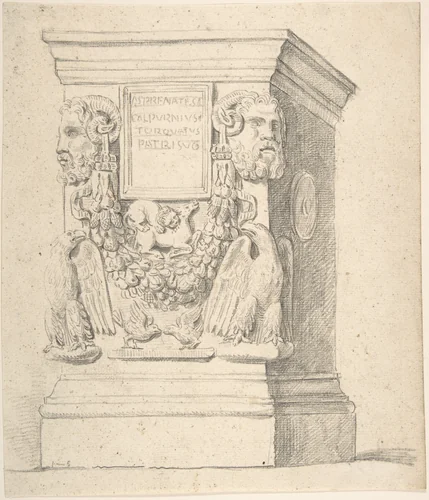
His drafting skill captured the prevailing Georgian fascination with recovered Roman antiquity. Hardwick’s meticulous renderings often combine fragments of classical architecture with sculptural elements, exemplified by the study of Antique Roman Sculpture with Nude Winged Boy at the Center and Leaves and Vines. His designs required a precise hand to integrate complex compositions like A Vase and Classical Monuments Carved with Hooded Women Carrying Urns. Curiously, amidst the academic strictures of Neoclassicism, there is a subtle, almost playful, sensuality in his treatment of decorative figures, notably the study featuring “Two Females Embracing Beneath a Vase and Two Nude Female Figures Supporting a Vase”—a surprisingly intimate detail embedded within a formal design structure.
While Hardwick is most frequently cited as a successful architect of the later Georgian period, his enduring contribution to drawing lies in these focused, early exercises. They provide invaluable insight into the draughtsmanship expected of an English architect preparing to transition from academic study to professional practice. Today, these crucial historical documents are often digitized and available globally as downloadable artwork, securing his place not only among the builders of late eighteenth-century London but also among the masters of precise, high-quality prints of Neoclassical ornament.
Source: Wikipedia · CC BY-SA 4.0