Thomas Doughty
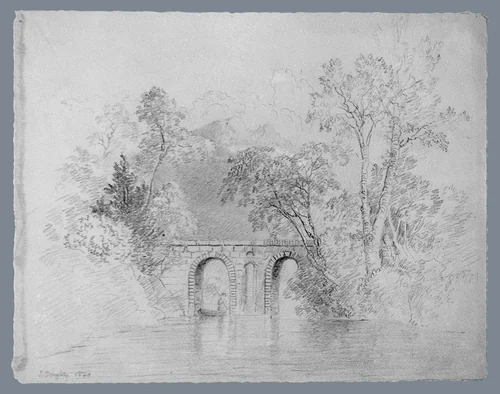
Thomas Doughty (1793-1856) was a formative figure in early American art, credited with shifting the focus of painting away from European historical models and portraiture toward the depiction of domestic landscape. His active period, stretching from the 1790s through the mid-nineteenth century, placed him at the nexus of rising nationalistic sentiment and a burgeoning appreciation for America’s natural topography. Doughty’s five known Thomas Doughty paintings, supplemented by three prints and two drawings, established a tranquil, contemplative approach that set the stage for later, more monumental landscape traditions.
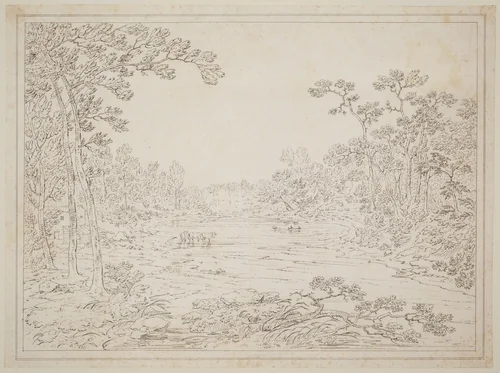
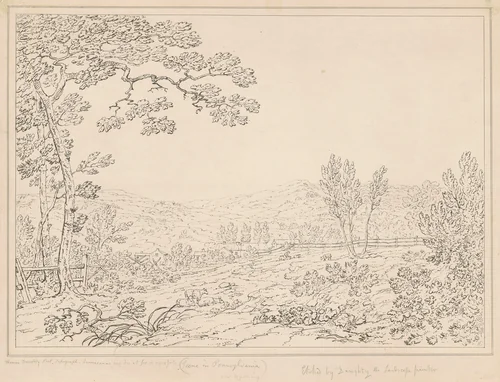
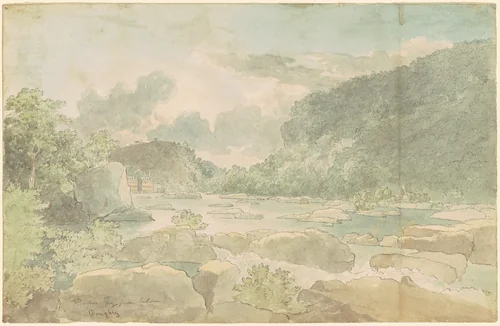
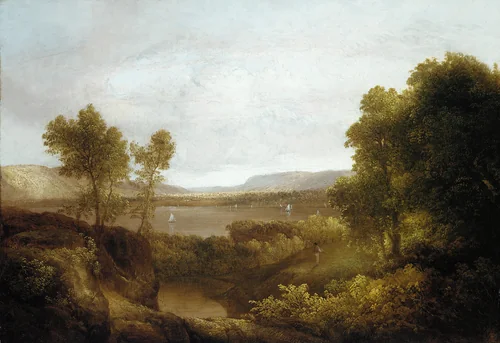
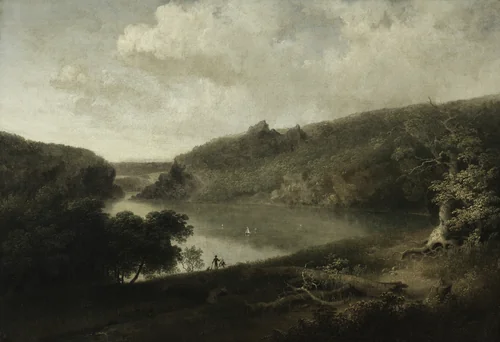
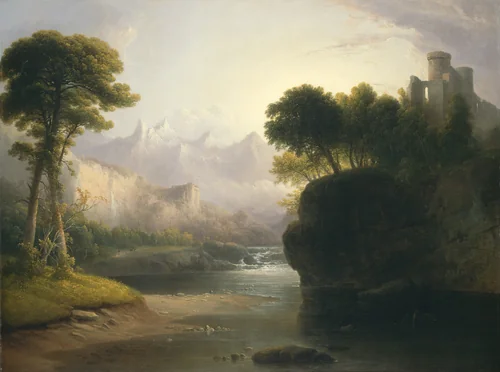
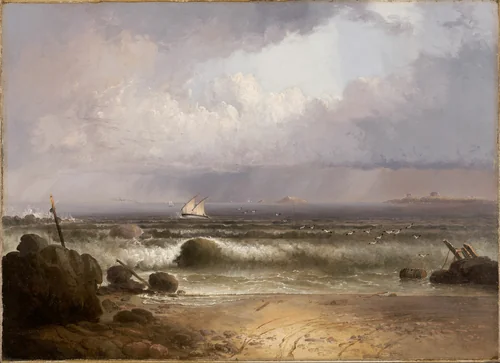
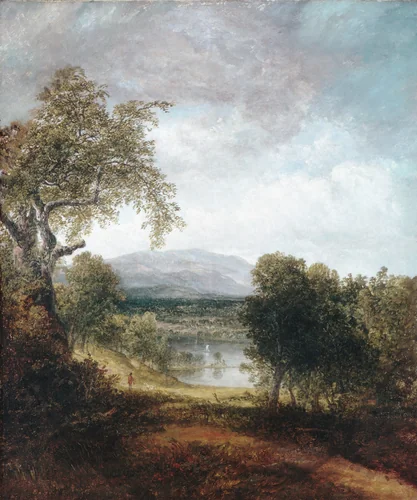
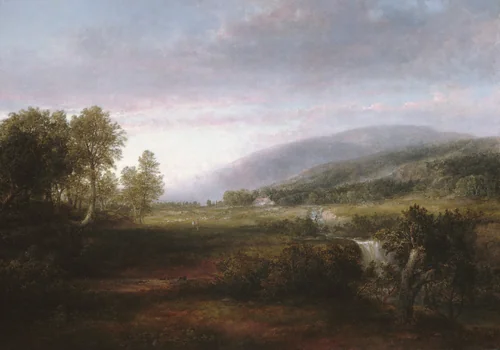
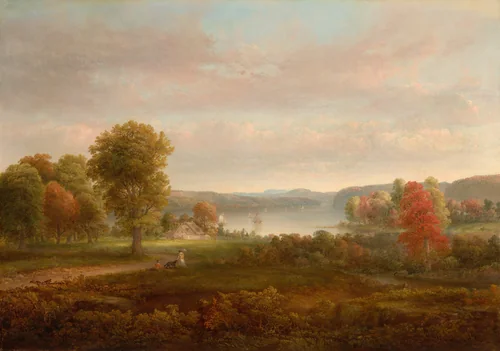
Doughty’s aesthetic favored quiet detail over overt drama. Works such as Pennsylvania Landscape and Harpers Ferry from Below showcase his mastery of atmosphere, rendering light and shadow across familiar terrain. His canvases often emphasize the intimate relationship between water and land, providing early visual documentation of the nation’s key waterways and geographic markers, as seen in the composition On the Hudson. This controlled, often nostalgic style made him particularly appealing to patrons seeking visual confirmation of American pastoral identity during a period of rapid industrial change.
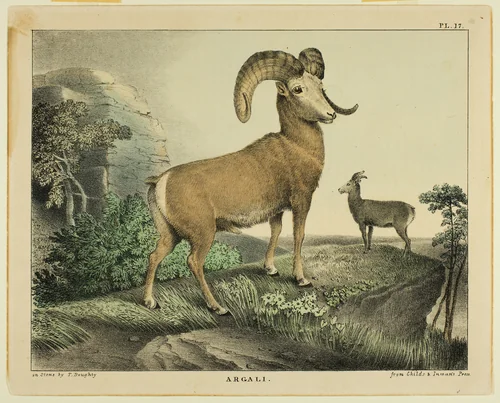
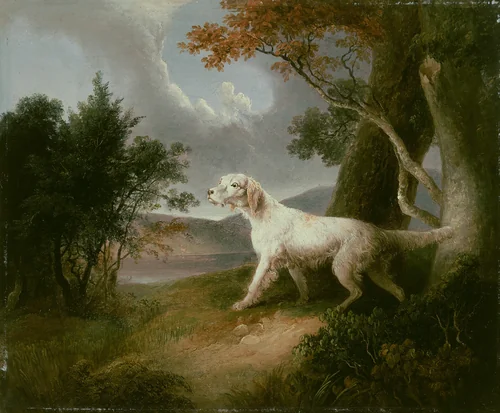
While Doughty’s output primarily centered on familiar eastern subjects, a subtle observation regarding his practice involves a tendency to occasionally introduce elements of exoticism. The existence of a painting such as Argali suggests a fascinating, perhaps whimsical, engagement with global natural history, occasionally blending the familiar American landscape with imported, romanticized wildlife.
Doughty’s historical significance is confirmed by the sustained presence of his museum-quality works in institutional holdings. Key pieces reside in the collections of the Art Institute of Chicago, the National Gallery of Art, and the Cleveland Museum of Art. As foundational images of the American experience, many of his artworks are now entering the public domain, making high-quality prints and downloadable artwork available for academic study and public appreciation. He remains a crucial reference point for understanding the origins of landscape painting in the United States.
Source: Wikipedia · CC BY-SA 4.0