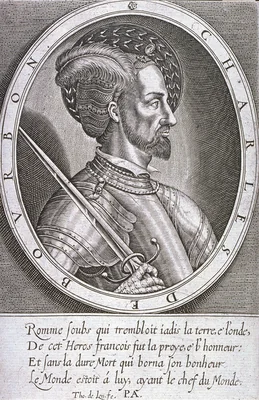
Thomas de Leu
Thomas de Leu (1560–1612), also recorded as Leeuw or Le Leup, was a central figure in the expansion of the European print market at the transition from the sixteenth to the seventeenth century. Though of Flemish origin, De Leu established his robust career in France, where he operated simultaneously as a highly skilled copperplate engraver, a prolific publisher, and a specialized print dealer. This commercially integrated approach allowed him to profoundly influence the dissemination of imagery among the French elite during the critical period of the French Wars of Religion and their aftermath.
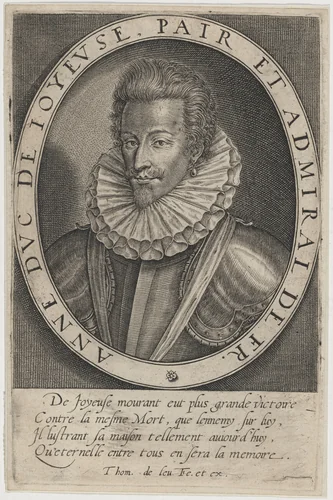
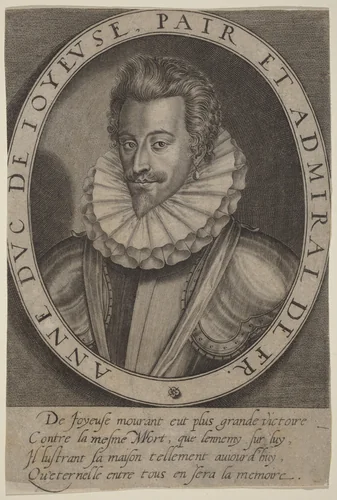
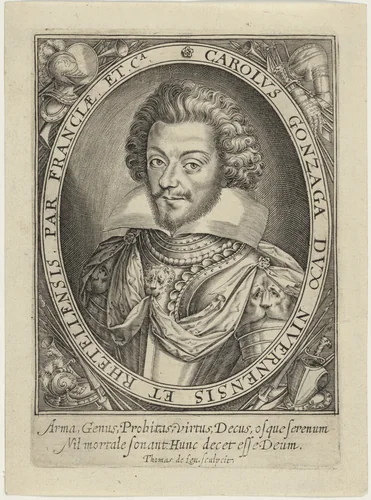
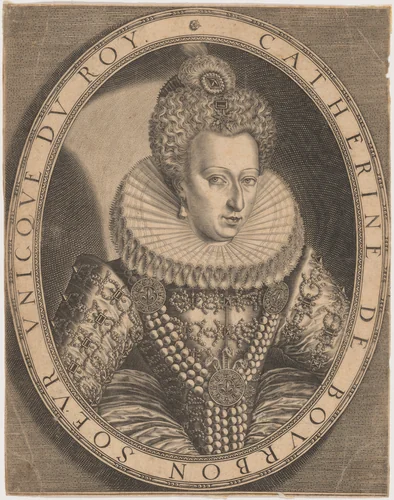
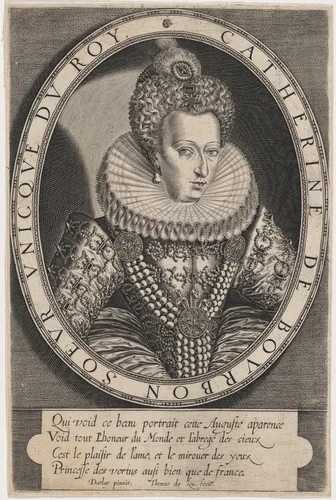
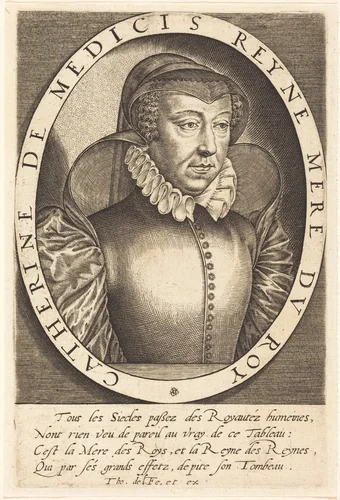
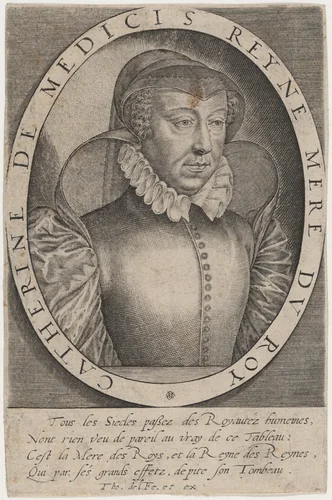
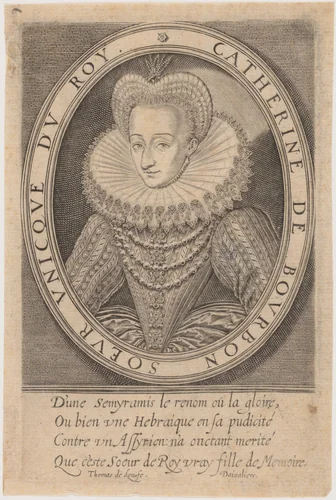
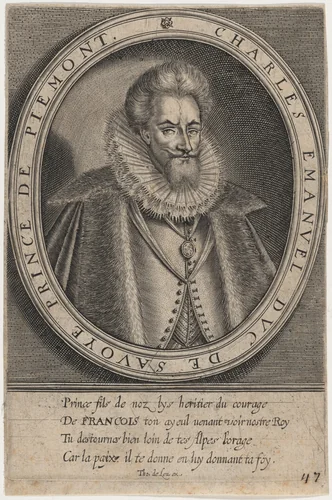
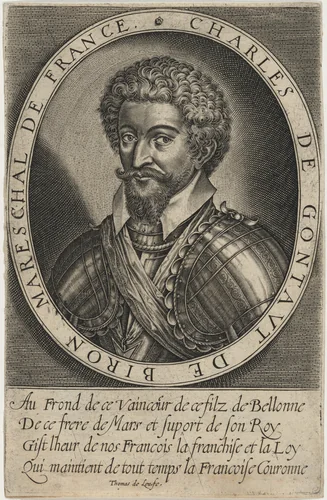
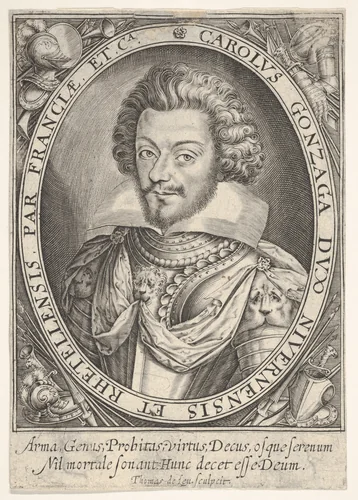
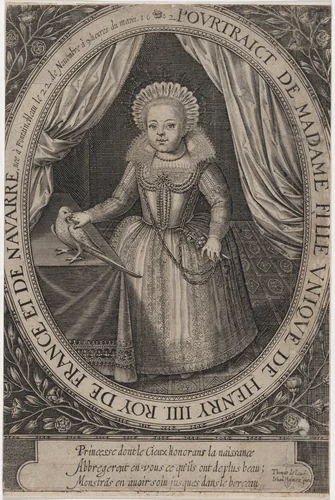
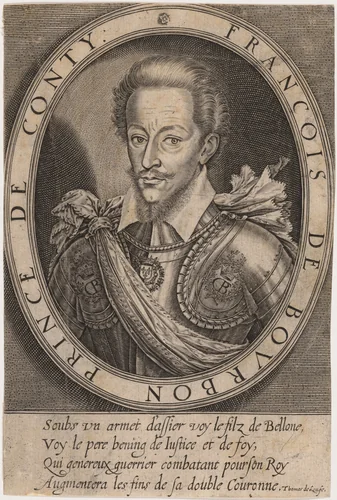
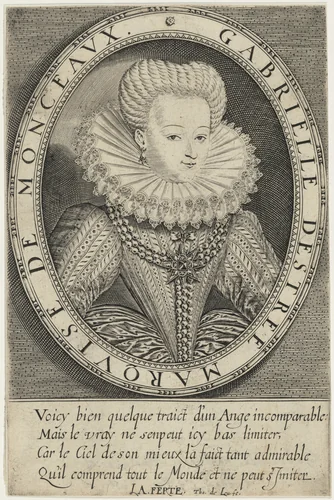
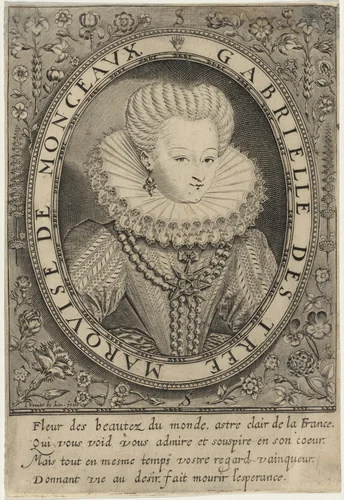
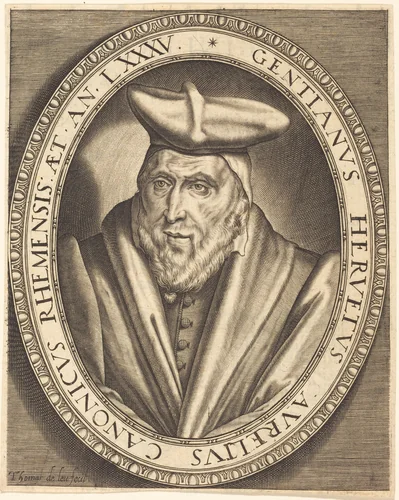
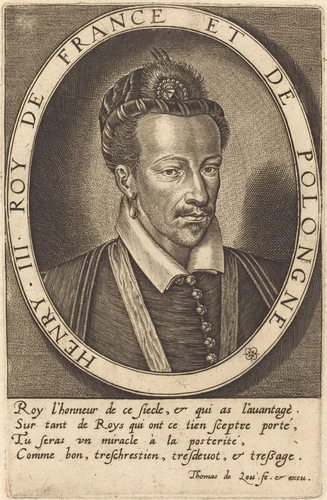
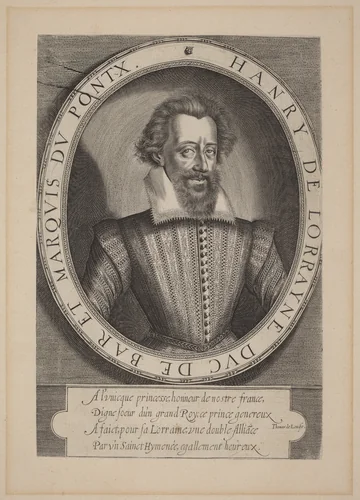
De Leu’s known output, numbering approximately fifteen cataloged prints, reveals a singular dedication to portraiture. His works functioned as highly effective visual propaganda and necessary documentation, capturing the likenesses of those who wielded power in France. His meticulous technique focused on rendering detailed costumes, elaborate ruffs, and specific heraldry, serving the aristocratic taste for visual accuracy and dynastic record-keeping. Key subjects in his oeuvre include powerful sitters such as Anne, Duc de Joyeuse and two distinct depictions of the influential Catherine de Bourbon.
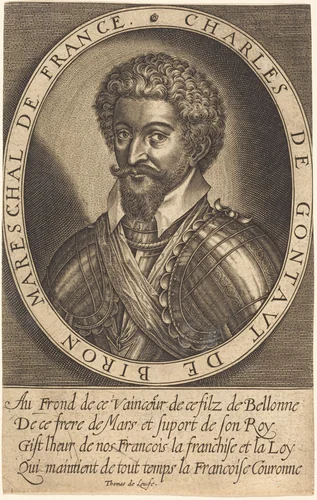
The dual role De Leu played, both in creation and distribution, reflects the professionalization of the art market at the time. He was not merely an artist but a key purveyor of politically and socially significant imagery. It is perhaps telling of the intense market demand that he often produced multiple, slightly varied high-quality prints of the same influential figure, illustrating the need to rapidly supply aristocratic clientele with current effigies of power.
Today, his legacy is maintained through institutional stewardship. Original examples of his artistry are housed in prestigious collections, including the Metropolitan Museum of Art and the National Gallery of Art. While the original plates are rare, the accessibility of his artistry ensures that scholars and collectors alike can access Thomas de Leu prints through major archival programs. Many of his historically significant works are now available in the public domain, guaranteeing that his detailed interpretations of late Renaissance French power remain eternally accessible.
Source: Wikipedia · CC BY-SA 4.0