Thomas Cross
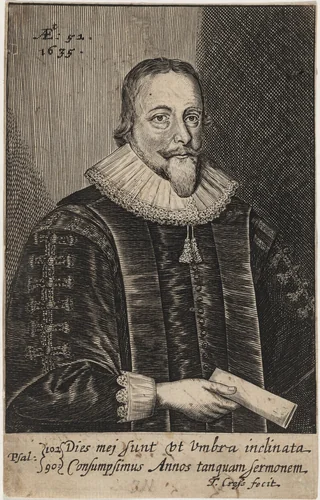
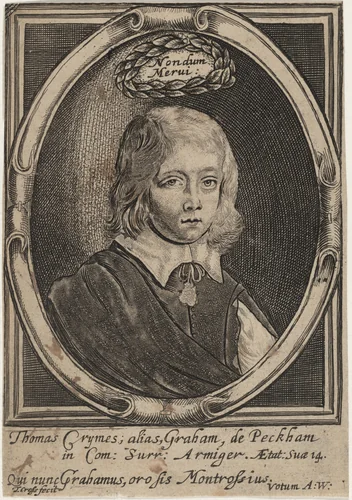
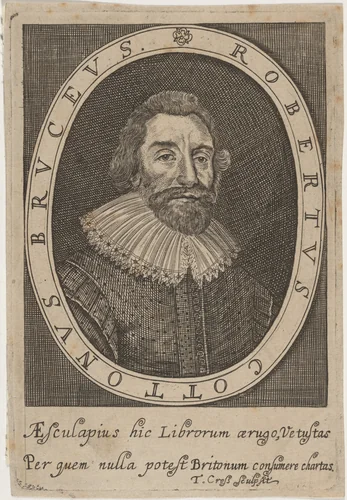
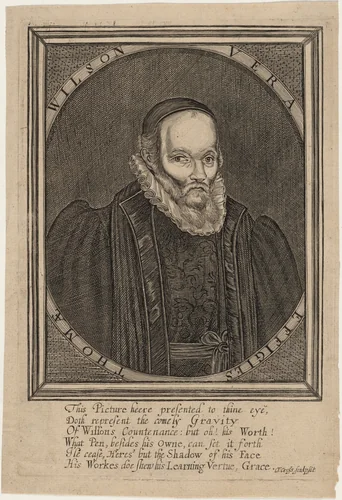
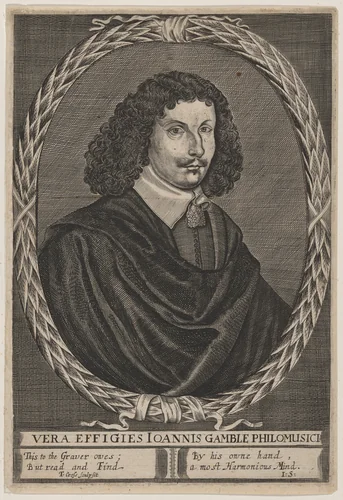
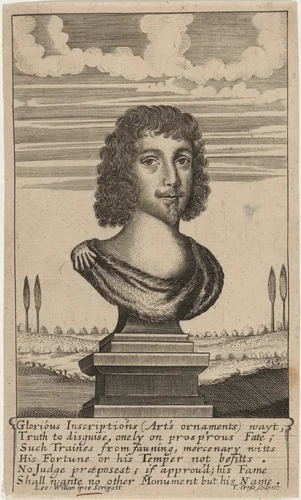
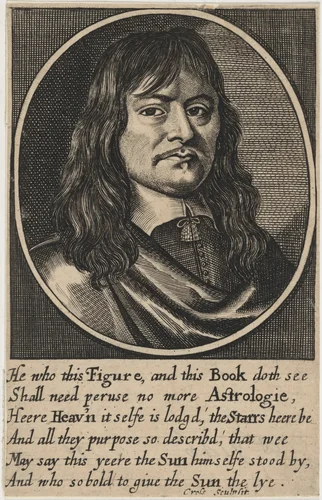
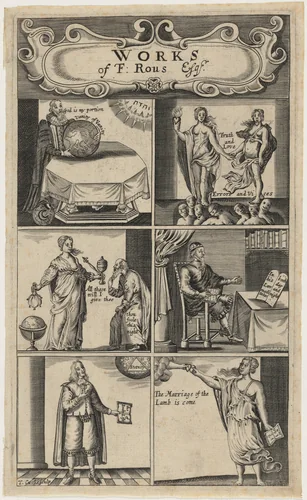
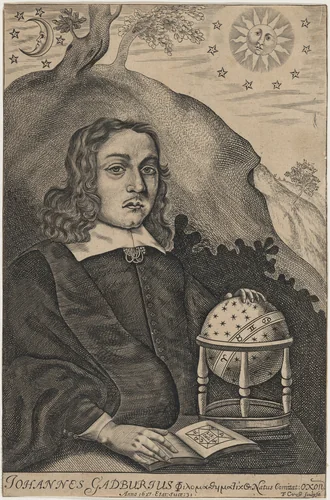
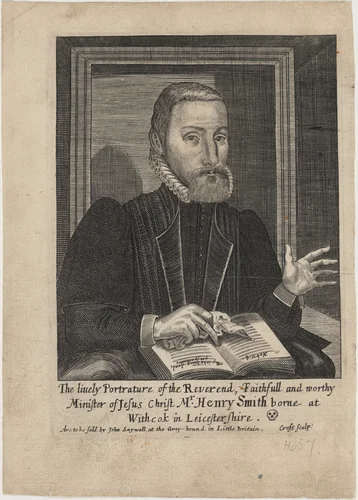
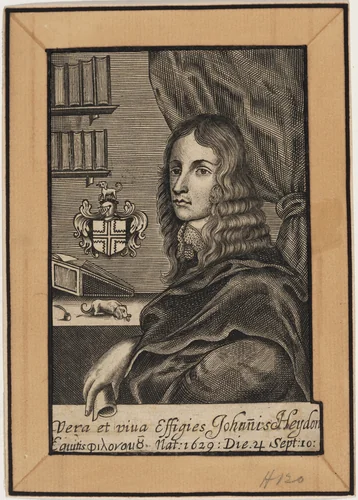
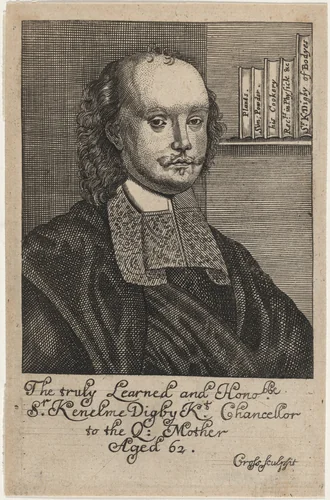
Thomas Cross (active 1602-1653) stands as a foundational, if sometimes understated, figure in 17th-century English reproductive printmaking. Operating across the Jacobean and Caroline periods, Cross specialized in copperplate engraving, a medium that served the era’s burgeoning demand for standardized, portable iconography. His primary historical importance rests on his prolific creation of portrait prints documenting significant intellectual and political personalities, making him a critical engine of early modern celebrity and intellectual dissemination.
Engraving served an essential function in the 17th century, providing affordable, high-volume visual records of historical figures whose fame demanded a broader audience than was accessible via expensive painted portraits. Cross’s documented output, currently totaling approximately fifteen known prints, features such luminaries as the philosopher Francis Bacon, the influential Dutch legal scholar Hugo Grotius, and the English poet Francis Quarles. This consistent focus on establishing the visual record of leading thinkers affirms Cross’s position among the foremost commercial engravers of the period. His work required meticulous technical skill to translate the texture and depth of an oil painting into the linear complexity required for a high-quality print.
Further complicating the simple title of "engraver," Cross was also active as a music publisher. This dual vocational existence was not uncommon in 17th-century London, illustrating the interconnected economies of print media, but it suggests a unique facility for engaging with both high intellectual culture and the emerging domestic market for recreational entertainment. His career spanned one of the most tumultuous eras in British history, yet his commitment to producing and distributing likenesses of state figures remained consistent.
Today, Cross’s legacy is preserved in major institutions, including the collection of the National Gallery of Art. Because of their historical age, many of these Thomas Cross prints now reside within the public domain, allowing modern viewers direct access to museum-quality reproductions. His enduring contribution is not only the preservation of specific likenesses, but the articulation of how image dissemination defined the intellectual character of the early Stuart courts.