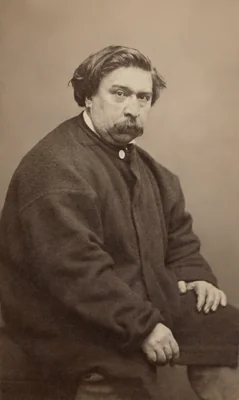
Thomas Couture
Thomas Couture (1815-1879) was a dominant figure in French painting from 1830 to 1870, known officially as a history painter, yet serving unofficially as a pivotal bridge between academic classicism and the emerging tenets of Realism. His significance rests not only on his own sophisticated output but primarily on the extraordinary influence exerted through his Parisian teaching studio, which drew a truly international cohort of aspiring artists.
Couture’s instructional methods were rigorous but innovative, focusing on capturing vitality and rapid execution, emphasizing the importance of the pochade or sketch study over the stiff finish demanded by the established French Academy. This approach proved foundational for an array of artists who would redefine nineteenth-century art, including Édouard Manet, Henri Fantin-Latour, Pierre Puvis de Chavannes, and American masters like John La Farge and William Morris Hunt. It is a subtle irony of art history that Couture, a conservative figure dedicated to tradition, created the very environment in which the succeeding generation formulated its artistic rebellion.
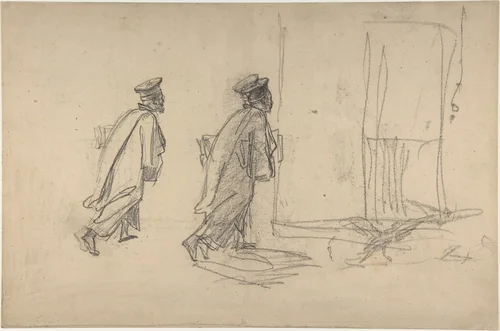
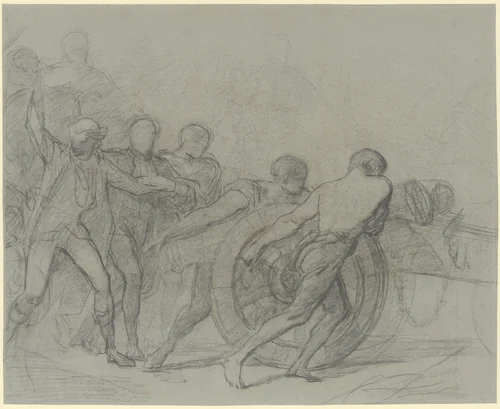
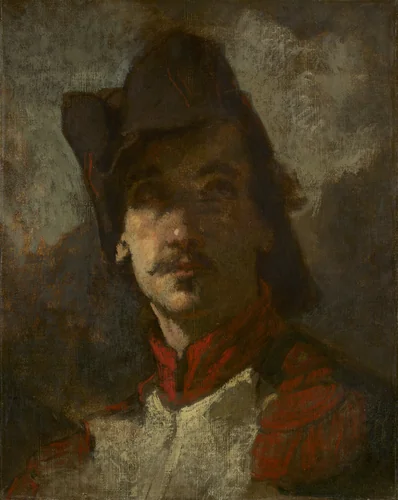
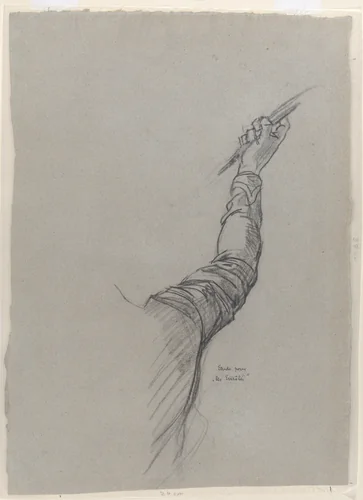
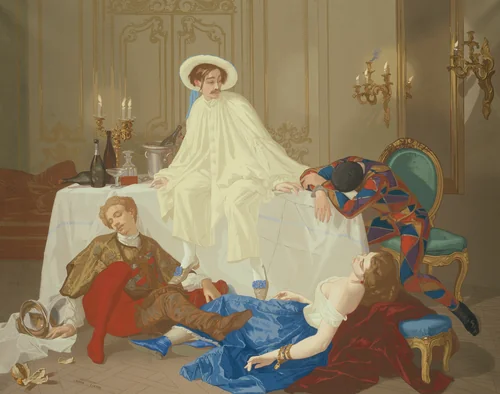
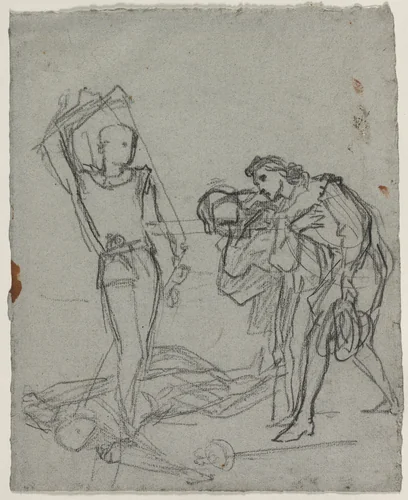
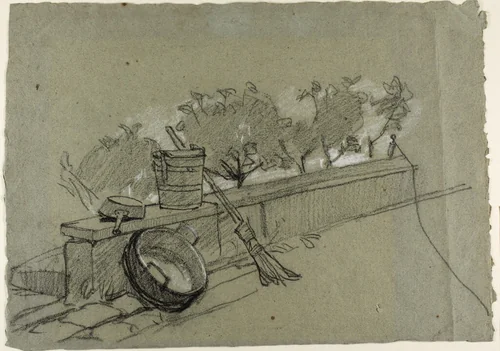
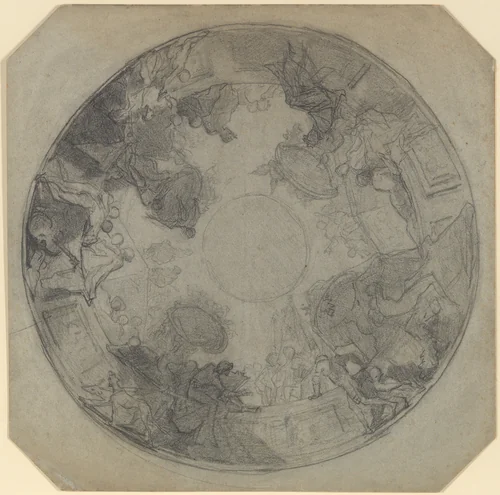
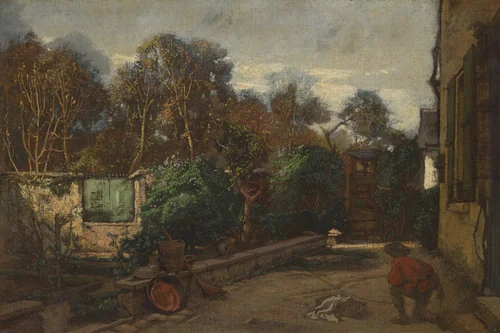
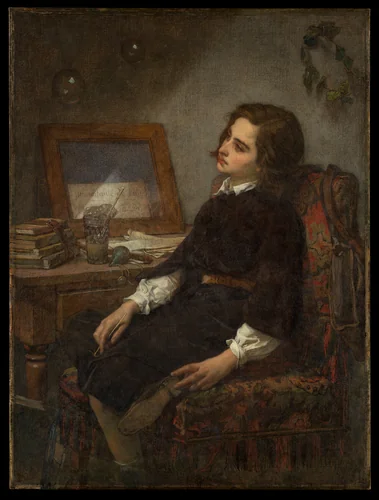
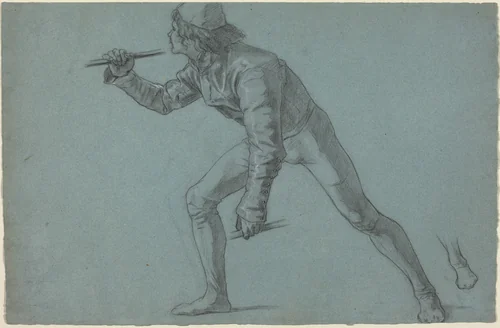
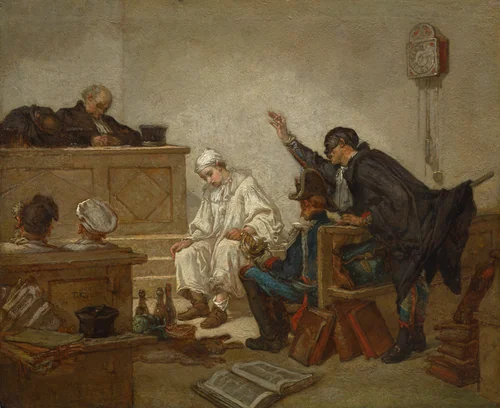
His own body of work demonstrates a keen sense of observation applied to ambitious canvases. While early in his career he undertook monumental projects, such as studies related to The Enrollment of the Volunteers of 1792, he often infused these historical themes with contemporary psychological depth. This dynamic is best observed in his celebrated painting, The Supper after the Masked Ball (1857), a dazzling examination of modern urban ennui and exhaustion rendered with impeccable technique. Likewise, drawings such as Lawyer on His Way to Court (Se Rendant à l'Audience) reflect his ability to distill narrative into striking figure studies.
Today, collections such as the National Gallery of Art, the Metropolitan Museum of Art, and the Art Institute of Chicago hold important examples of Thomas Couture paintings, drawings, and prints. The preservation of these museum-quality works, often available as high-quality prints through public domain initiatives, ensures that his lasting technical and pedagogical contributions continue to inform and inspire students of the nineteenth century.
Source: Wikipedia · CC BY-SA 4.0