Thomas Cecil
Thomas Cecil (1555-1631), the 1st Earl of Exeter and previously styled Lord Burghley during a politically active phase between 1598 and 1605, is primarily documented in historical records as a figure of high standing: a consummate English politician, respected courtier, and career soldier. His long service occurred during the critical juncture spanning the late Elizabethan through the early Jacobean periods, defining him as a man deeply entrenched in the political machinery of the age.
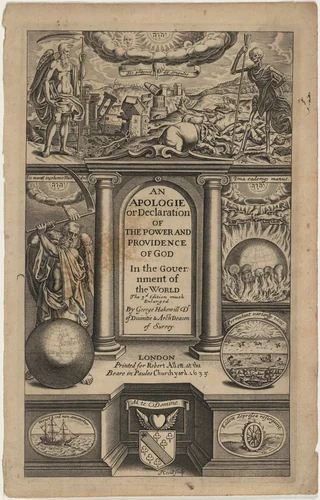
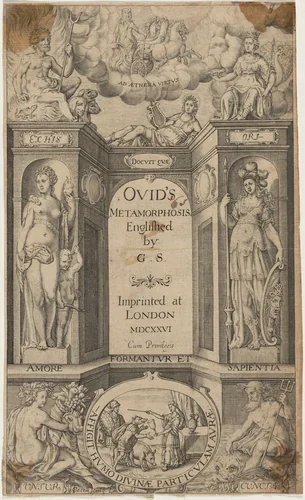
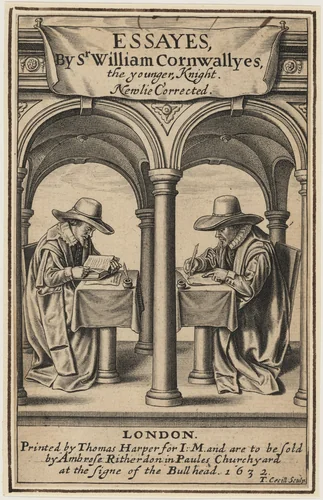
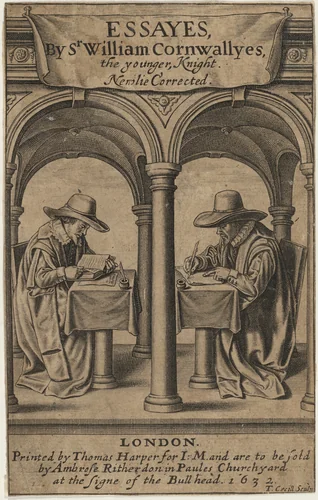
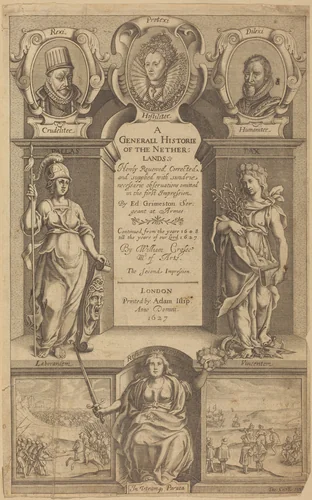
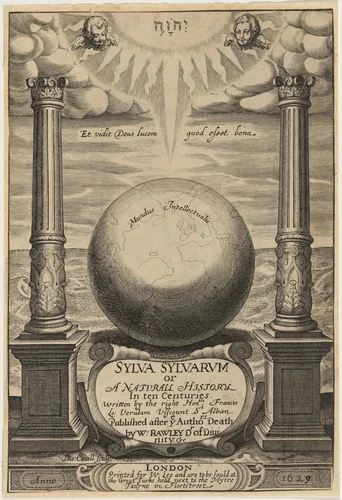
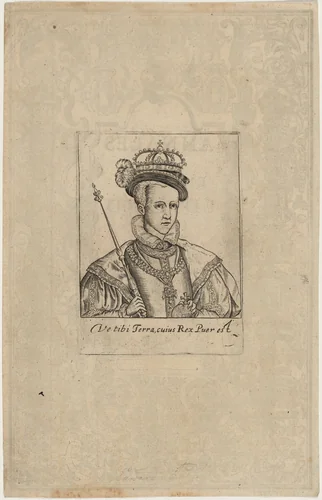
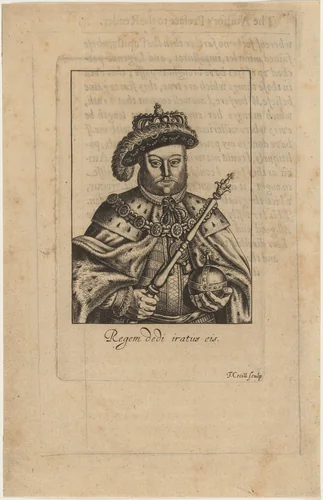
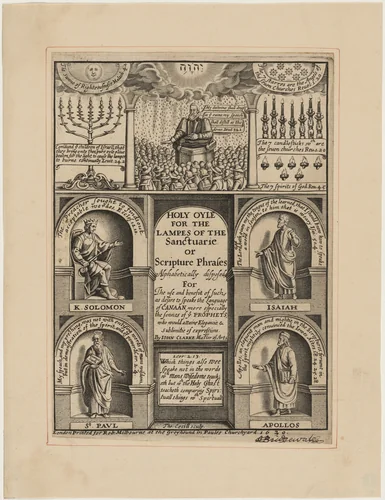
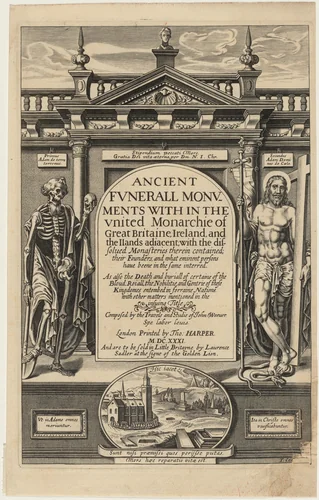
Yet, beyond his official duties and strategic appointments, Cecil maintained an intriguing, albeit brief, profile within the visual arts. Databases credit Cecil with an authorship or control over the production of approximately fifteen identifiable prints. While this output is minor compared to contemporaries who dedicated their lives solely to engraving, the existence and subject matter of these works reveal a specific agenda relating to power, patronage, and the strategic dissemination of historical memory.
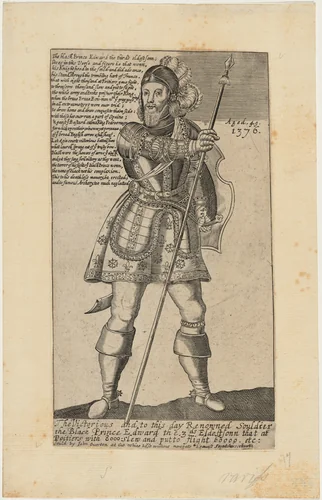
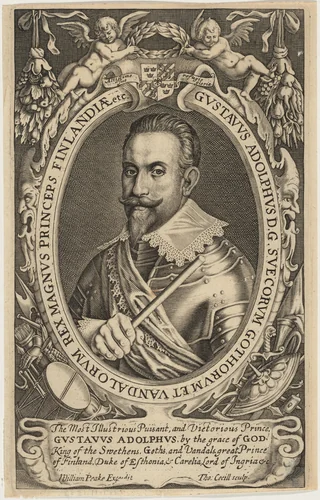
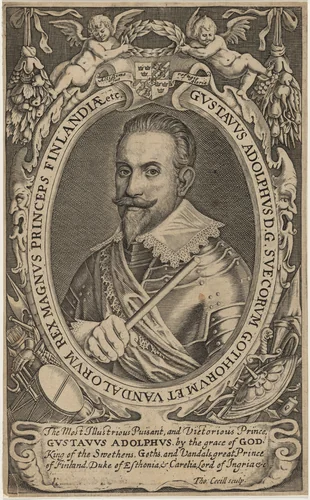
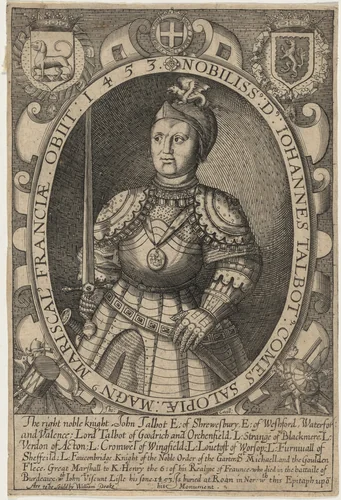
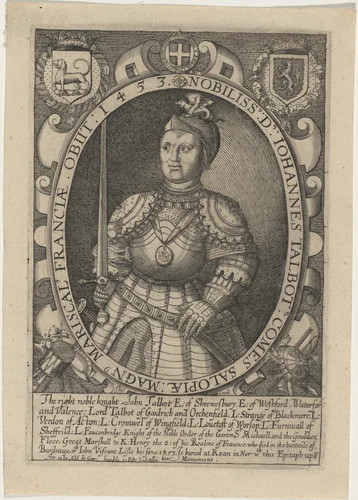
The subjects chosen for these powerful visual records are invariably historical heavyweights and military icons. They include notable depictions of the famed Swedish military leader Gustavus Adolphus and multiple striking representations of the Lancastrian hero John Talbot, First Earl of Shrewsbury. It is perhaps a subtle reflection of Cecil’s own preoccupation with historical military precedent that one of the recorded prints focuses specifically on Edward, the Black Prince at the Age of 49, a less common depiction that emphasizes the maturity and endurance of the military leader rather than solely focusing on youthful exploits.
These prints functioned as critical elements of historical record and communication, reflecting the political anxieties and admirations of the early 17th century court. Today, this collection is preserved in prestigious institutions globally, including the National Gallery of Art. Due to the historical age of the works, many of these Thomas Cecil prints are now widely accessible in the public domain. The digitization of these documents allows scholars to examine this specialized political-artistic output, and enthusiasts seeking museum-quality historical representations can easily find downloadable artwork derived from these powerful, royalty-free originals.
Source: Wikipedia · CC BY-SA 4.0