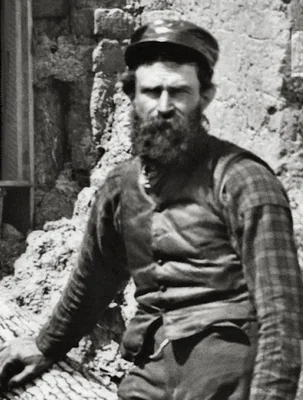
Thomas C. Roche
Thomas C. Roche occupies a pivotal position among the nineteenth-century photographers who translated the raw scale of the American Civil War into reproducible imagery. Active around 1860, Roche contributed significantly to the evolving definition of photojournalism, moving beyond static studio portraits to document the kinetic realities of military life. His work, preserved in prestigious collections including the Metropolitan Museum of Art, offers an invaluable visual archive of the Union effort, focusing less on grand commanders and more on the daily existence of the Army of the Potomac.
Unlike some of his more commercially focused peers, Roche often documented the logistical and domestic routines of the soldiers. His photographs function as anthropological studies of conflict management. The challenges inherent in creating high-quality prints under wartime conditions were immense, requiring portable darkrooms and precise chemical knowledge, yet Roche managed to capture clear, detailed images that survive today as museum-quality prints.
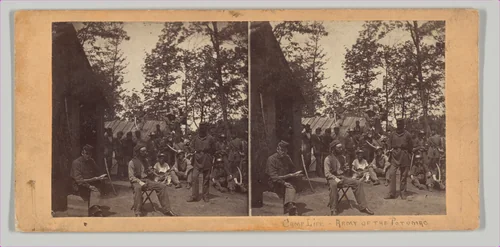
A prime example of his observational style is Camp Scenes, Army of the Potomac. The Amateur Barber. This photograph, rather than portraying heroism or violence, presents a moment of practical necessity and camaraderie. The image suggests an understated wit, capturing the casual chaos and trust inherent when one soldier assumes the role of hairdresser for another amidst the tension of the front. This focus on the common soldier’s experience elevates Roche’s output beyond simple topography; they are concise narratives of endurance.
Roche’s legacy is defined by this honest, unvarnished chronicling. Though researchers sometimes search for "Thomas C. Roche paintings," his foundational contribution remains in the realm of photography, shaping how the world came to understand the conflict through visual media. Due to their age and historical importance, many of his striking images have entered the public domain, making them widely available as downloadable artwork. This accessibility ensures that Roche’s meticulous and technically impressive documentation continues to inform and fascinate historians and enthusiasts alike.
Source: Wikipedia · CC BY-SA 4.0
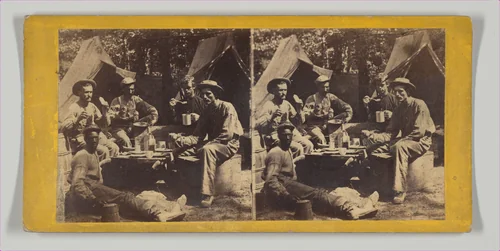
![[10 Stereographic Views in the Arctic from the Hayes Expedition] by Thomas C. Roche, photograph, 1861](https://img.artbee.org/8891b6bb-eea7-4ac2-9a68-0d364150bfa8/small.webp)
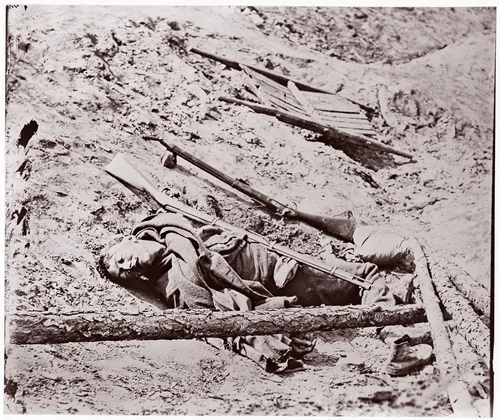
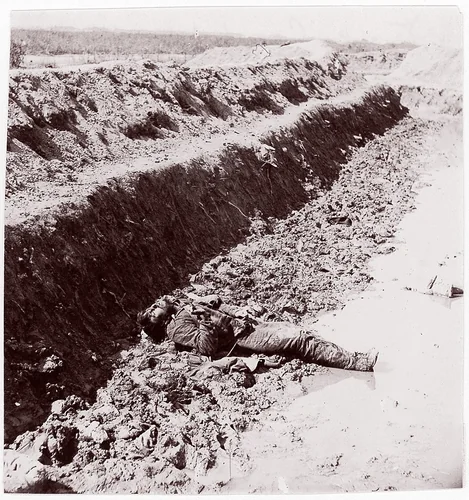
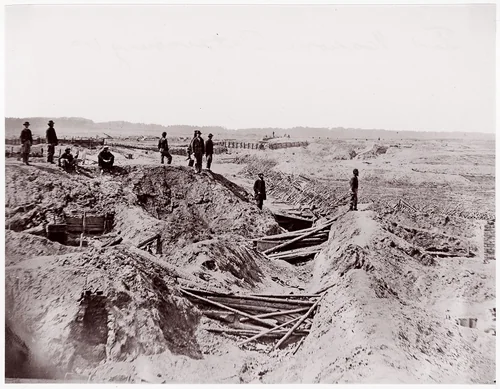
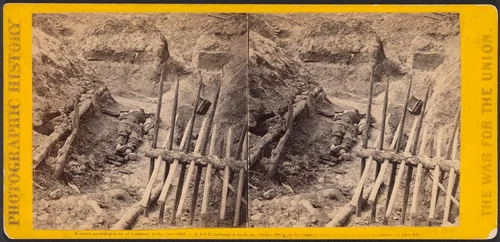
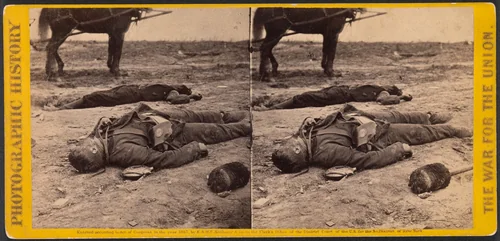
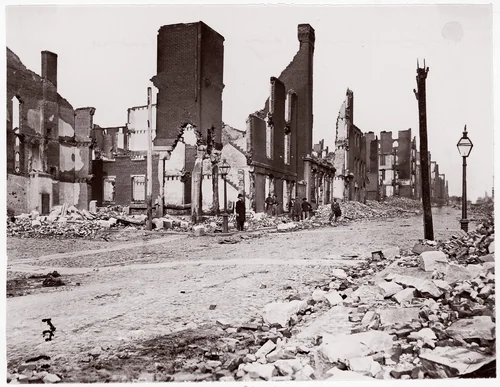
![[Dead Confederate Soldier in the Trenches of Fort Mahone, Petersburg, Virginia] by Thomas C. Roche, photograph, 1865](https://img.artbee.org/db0a20bb-0b0f-46fd-8191-15fe4aac88b3/small.webp)
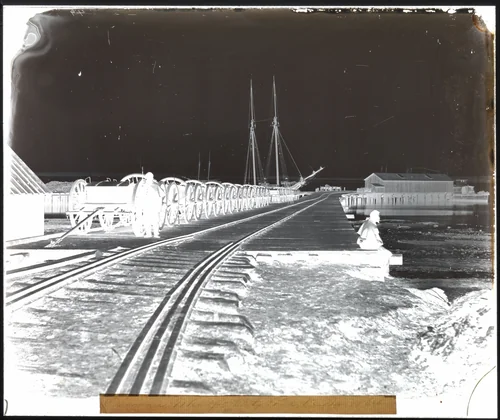
![[Ordnance Wharf, City Point, Virginia] by Thomas C. Roche, photograph, 1865](https://img.artbee.org/68e794ef-2897-43ab-9d0f-dd3c7762ff71/small.webp)