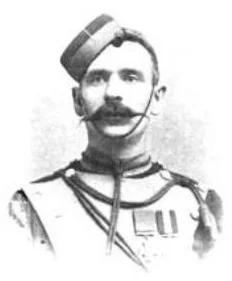
Thomas Byrne
Thomas Byrne emerged as a significant contributor to the Index of American Design (IAD), a pivotal endeavor within the Federal Art Project during the depths of the Great Depression. Active around 1936, Byrne’s role was fundamentally that of a cultural preservationist, tasked with visually documenting American decorative and folk arts before industrialization entirely obscured their memory. His documentation methods, rendered in precise detail, ensured that high-quality, pre-industrial American craftsmanship was recorded for posterity.
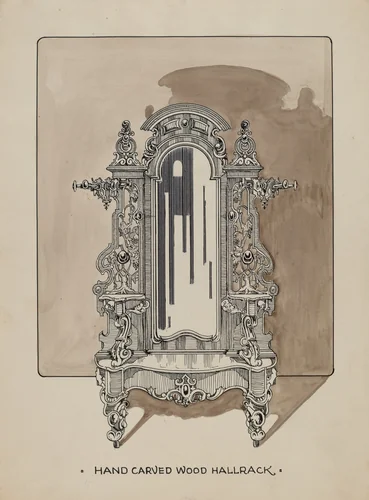
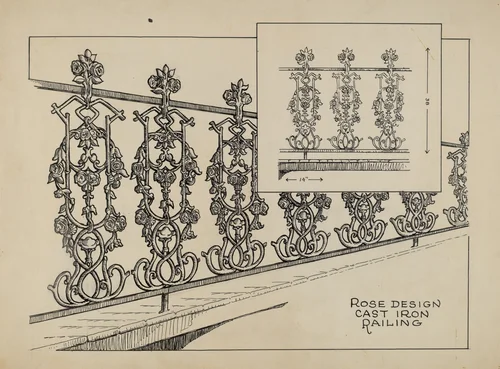
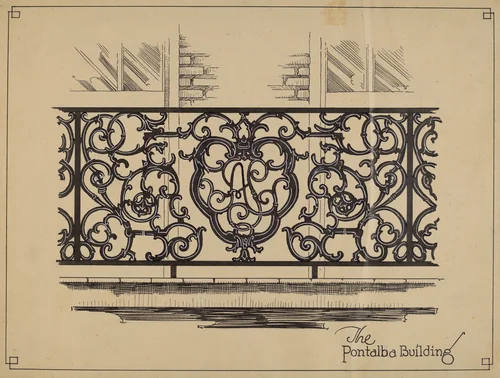
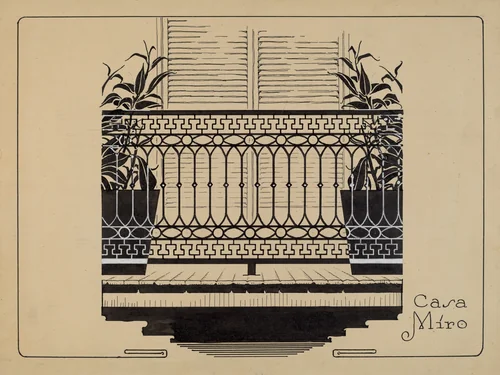
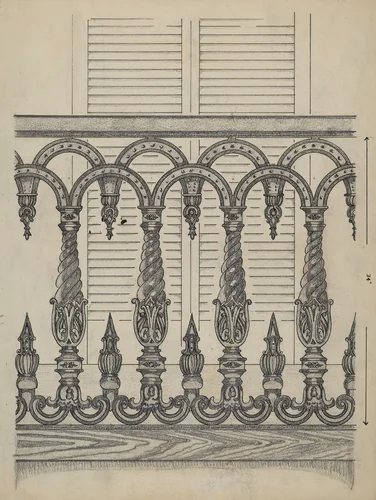
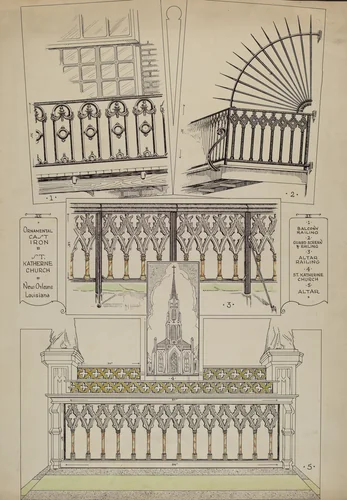
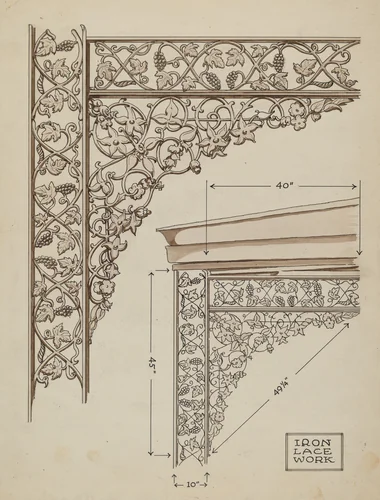
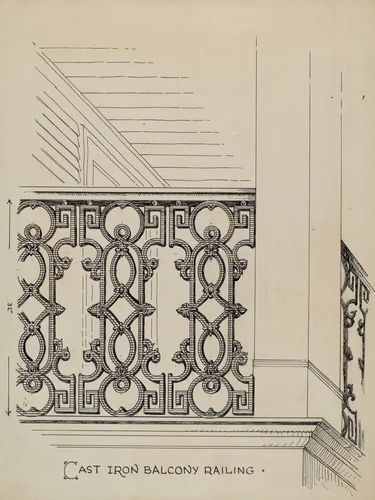
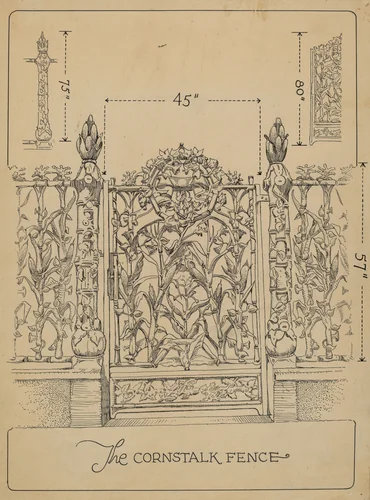
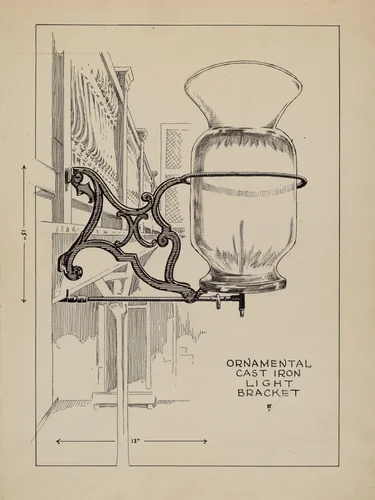
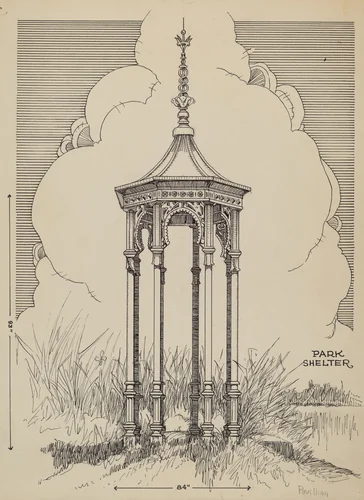
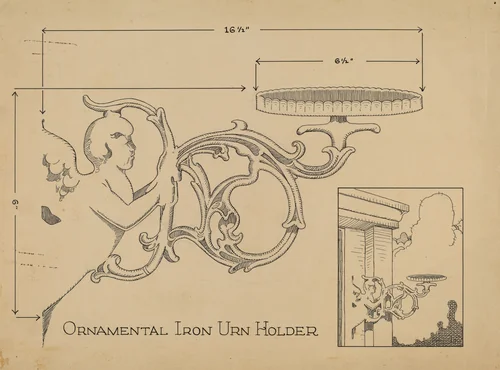
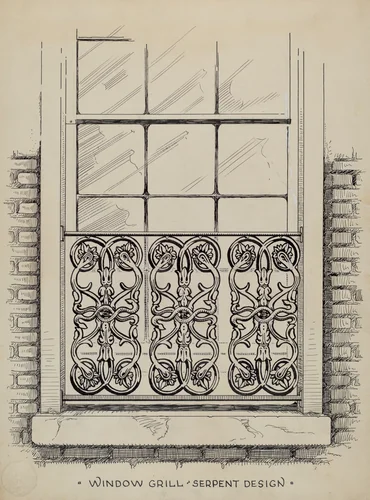
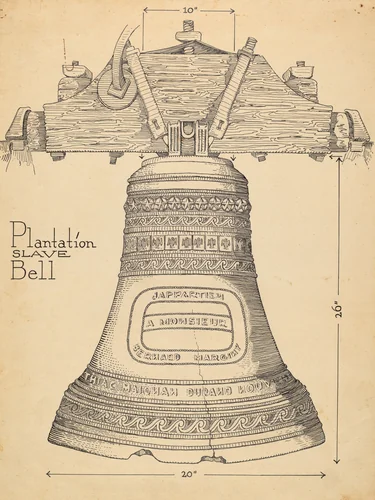
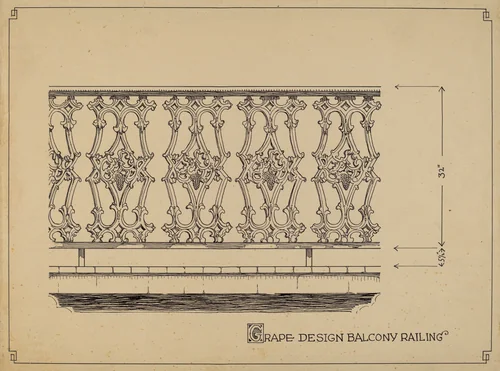
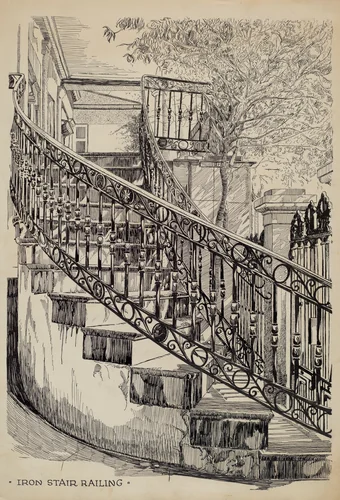
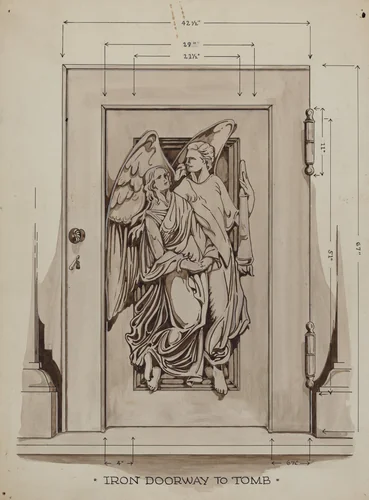
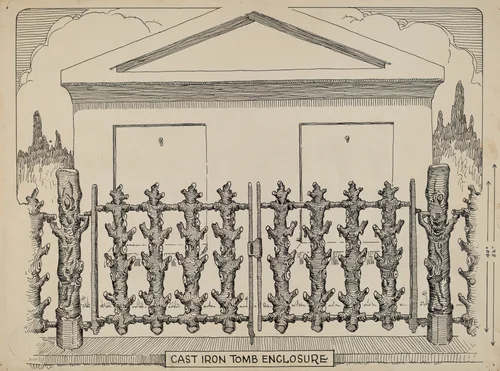
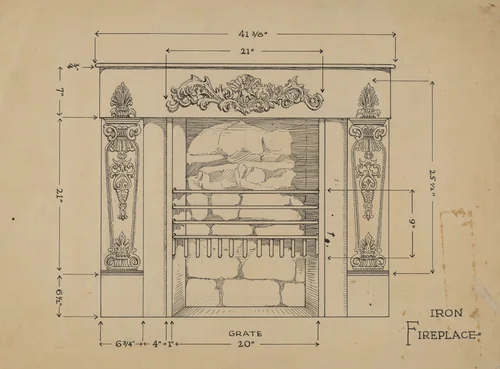
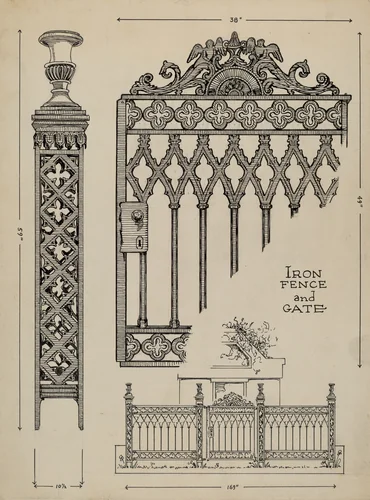
Byrne’s fifteen contributions to the Index, now housed within the permanent collection of the National Gallery of Art, Washington D.C., focus heavily on architectural and domestic vernacular objects. His technical renderings demonstrate an exacting reverence for structure, proportion, and texture, often capturing the essential geometries of functional design elements. Representative works include studies of intricate metalwork and highly detailed joinery, such as the drawing of a Carved Walnut Hall Rack and several separate analyses focusing on detailed Cast Iron Balcony rails. These drawings served as critical educational material, providing designers and students with unprecedented access to historical craft references.
The ambition of the Index of American Design, and artists like Byrne, was to create a comprehensive visual library of American heritage, offering a counterpoint to the relentless modernization of the mid-20th century. While his name is shared by a surprisingly diverse cohort of historical figures, including politicians, diplomats, and a Roman Catholic bishop, this particular Thomas Byrne’s legacy resides entirely within these meticulously observed, utilitarian details.
The legacy of the IAD ensures that Byrne’s documentation remains highly accessible. Today, these seminal archival drawings offer rich source material, frequently utilized for research and available as museum-quality reproductions. Through the widespread availability of Thomas Byrne prints and other downloadable artwork associated with the IAD, Byrne's diligent work continues to bridge the historical gap between vanished craft practices and contemporary appreciation for early American design.
Source: Wikipedia · CC BY-SA 4.0